

Abbie Coleman is a seasoned expert with a diverse background spanning over 25 years in recruitment. With 12 years of owning her own recruitment firm in the heart of Leeds, she brings a wealth of experience in talent acquisition and management.
Additionally, Abbie has dedicated 10 years to advocating for working mums’ rights in the workplace, championing initiatives to close the motherhood penalty and promote flexible work arrangements and returner programs.
Table of Contents
Bouncing Back From The Redundancy Process
Remember, redundancy does not define you or your worth to the world.
With the support of our employment law experts on MMB Magazine we have talked you through the practical and legal process of redundancy and your rights. However the impact on you emotionally is also something that hits and hits hard. This article helps you when it comes to bouncing back from the redundancy process.
In the fast pace of life, few events match the seismic jolt of being made redundant. And I only truly understood this once it happened to me in my 30s. It was a time without dependents yet it was still a challenging and took time to work through.
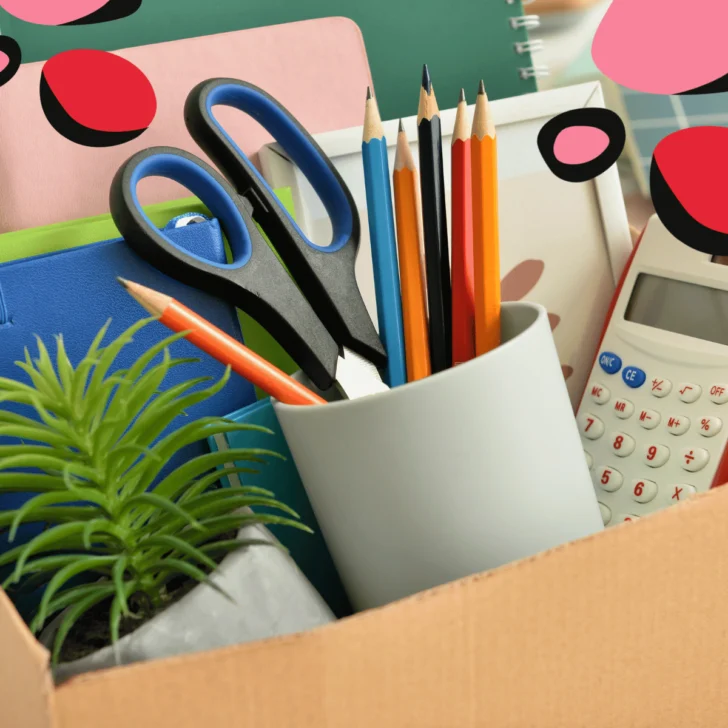
I hated my job and had no passion for it; I dreaded going in but felt leaving meant I was a failure. Still, I was shocked one afternoon when I was called down to the boardroom with ten other people to be told we were being let go due to redundacies needed in the firm. I felt a sense of shock, embarrassment, and shame. Having to face former colleagues holding boxes of our items at the front door and our coats for us to walk straight out was brutal.
I felt shame that people knew and would talk and laugh at me in the industry. This bubble consumed me, and the industry I worked in felt like it was the entire world. Worse still, I had to go to interviews in that industry, where people knew I had been made redundant and used this to try to offer a lower salary.
I realised this industry bubble I was consumed by was making me unhappy, especially with the people, their work culture, and how they viewed people within it. I had never fitted in, so I never excelled or felt happy; once I stepped away from this and started navigating my own career path I felt in control and heading towards something that mattered. Once time passed, I felt proud of my new achievements and felt no shame. I stood tall, had more success, felt happy, and built a community of incredible women around me. And I realised that bubble that felt like the entire world was a tiny bubble of people and company culture I was glad to be away from.
Read on to find more information, advice and the processes you may go through when your bouncing back from the redundancy process.
The Tips That Helped Me In Bouncing Back From The Redundancy Process
Give yourself time to consider and assess what you want while you have your notice. Speak with people you trust and respect.
Refrain from being guided by a need to prove yourself, especially if you’re in an industry or sector you no longer feel passionate about. It is time to start a new one.
Don’t feel shame, and don’t let anyone use the fact that you were made redundant to offer less than your worth.
Give yourself time to grieve and feel sad and some self-pity. But don’t let it consume you.
Do something to make yourself feel good and boost your confidence.
Give yourself time. Do not make any decisions in a state of stress.
Finally, although it feels like the world may know what has happened and be talking about you, they rarely are, and it will be old news soon. For those who rejoice in your redundancy or take pleasure in gossip, it speaks more about them than it does you.
Dealing with redundancy emotionally
The emotional toll can be particularly profound for mums who are already balancing a myriad of responsibilities. This article is a beacon of support, showing the journey through redundancy’s emotions, offering solace, insights, and practical steps to emerge stronger on the other side. You will, you really will.
How does redundancy affect you emotionally?
The redundancy news often triggers a cascade of emotions, from shock and disbelief to anger, fear, and even a sense of failure and shame. It’s normal to feel a rollercoaster of sentiments as you grapple with uncertainty about the future. But there is a future, and it will be bright.
Is being made redundant traumatic?
Yes, redundancy can indeed be traumatic. It disrupts the familiar rhythm of life, shattering stability and security. Just as in any trauma, it’s crucial to acknowledge the impact on your mental and emotional well-being and seek support to navigate through it.

The Stages of The Redundancy Grief Cycle:
Stage 1 – Denial
Initial disbelief often characterises the onset of redundancy. Individuals may grapple with the surreal notion that this upheaval is unfolding. Rooted in fear and uncertainty, denial prompts a retreat into the familiar comforts of the past, perpetuating a semblance of normalcy amidst the chaos. This is when you can also start to look at lesser roles and devalue yourself, so don’t make rash decisions during this time.
Stage 2 – Frustration/Anger
As reality sets in, frustration and anger emerge as natural responses to the perceived injustices of redundancy. These emotions may manifest in resentment towards management, colleagues, or the organisation, fueled by betrayal or abandonment.
Stage 3 – Bargaining
In a desperate bid to forestall change, individuals may resort to bargaining, seeking elusive solutions or compromises to mitigate the impending loss. Guilt often accompanies this stage, as self-reflection prompts questioning of past actions and what could have been done differently.
Stage 4 – Depression:
The weight of reality descends in the form of despair and grief, engulfing individuals in a profound sense of loss and sadness. Withdrawal and introspection typify this stage as individuals grapple with the enormity of their circumstances and the uncertainty of the future.
Stage 5 – Acceptance:
It marks a pivotal moment of acknowledgement, where individuals come to terms with the inevitability of change. It signifies a readiness to embrace the new reality, albeit with apprehension and uncertainty.
How to Come Out the Other Side:
Allow Yourself to Feel
Suppressing emotions only prolongs the healing process. Give yourself permission to experience and express your feelings. Whether journaling, talking to a trusted friend, or seeking professional counselling, find healthy outlets for processing your emotions.
Seek Support
Lean on family, friends, or support groups to share your burdens and gain perspective from others who have walked this path. Connecting with fellow mums facing redundancy can offer invaluable empathy and solidarity.
Reflect and Reassess
Use this time as an opportunity for self-reflection. Explore your passions, values, and career aspirations to realign your path. Consider what truly brings you joy and fulfilment beyond the confines of your previous job.
Invest in Self-Care
Nurture your mental, emotional, and physical well-being through activities that replenish your spirit. Whether it’s yoga, art, or simply a long walk in nature, prioritise self-care as a vital component of your recovery journey.
Embrace Change
Redundancy may close one door but can open countless others. Embrace change as a time for growth and new beginnings. Be open to exploring alternative career paths, further education, or entrepreneurial ventures that align with your passions and goals.
To all the mums navigating the turbulent waters of redundancy, remember: you are not alone, and this too shall pass.
Why not join us and build your own community of support around you.

Embrace the journey, honour your emotions, and trust in your resilience to emerge stronger than before. Your story is still unfolding, and the best chapters are yet to come. With each step forward, may you reclaim your power and forge a future filled with boundless possibilities as your start bouncing back from the redundancy process .
# Bouncing Back From The Redundancy Process