

How Do I Ask For Flexible Working?
How Do I Ask For Flexible Working – Looking at different types of flexible working has been given careful consideration by many working mums and dads. The desire for a better work-life balance for both job satisfaction and life satisfaction is very appealing to a lot of working parents, this may be with fewer days, compressed hours, or many other forms to make your flexible working pattern. Especially when this could also come with the added financial benefit of reducing childcare costs and stresses on the family in general, and during the school holidays or inset days. We often get emails around:
How do I ask for flexible working?
What is the best way to achieve this request for different hours
How do I create a good work plan to put forward to my place of work?
By Abbie Coleman MMB Magazine & Katie Ash Head Of Employment Law, Banner Jones
There can often be pushback from some employers regarding the needs of the business for such requests for employee needs, but often employers see there are many good business reasons and good practice for such a flexible working model and will give important consideration to such requests. So how do i ask for flexible working is covered below and so much more.
Table of Contents
How Do I Ask For Flexible Working?
You have recently returned to work after maternity leave or are you about to? Or maybe your personal circumstances have changed and you now need to be able to pick your children up after school or you need to be able to work staggered hours, a different work pattern from before.
Whatever the reason, if you’re reading this article, you have probably decided that you wish to consider and even put forward a formal request for flexible working to change your working days with your line manager. Please note this information how do I ask for flexible working refers to the current legislation of the UK government but does not apply in Northern Ireland.
In this article on how do I ask for flexible working, you will find some great general advice and legal advice on how to make a formal flexible working request, including the process that should be followed once a request is made, from our employment law blogger Katie Ash from Banner Jones, who supports our readers, both employers, and employees, with all things employment law with professional advice and in this article covers your questions around how do I ask for flexible working.
What reasons can you give for flexible working?
Firstly it’s a good idea to identify what you are looking for in your new arrangements, and what is the best solution for you when working flexibly. There’s a whole myriad of options when considering flexible working and you need to think about what are you looking for in a flexible working arrangement.
Do you wish to reduce your hours, compress your hours, job share, have part-time hours, work from home, and have a flexible start time and finish time? Yes, these are all flexible working options, so there are lots to consider when looking at a flexible working arrangement so making sure you have access to the general information about flexible working options is a good place to start in the journey around how do I ask for flexible working.
How do you tell your boss you need flexibility?
Once you have a clear idea of what you are looking for, you could consider approaching your employer on an informal basis to see whether they would consider your proposals without needing to make a formal application. Some employers are happy to do this, although as there is a limit on the number of applications that can be made if a formal process is undertaken, many employers will ask an employee to make a formal application in any event; even if they are minded to approve the request.
How many flexible working requests can I make?
An employee can only make one flexible application per year. If only an informal process is used, there is no limit to the number of applications that can be made.
It’s worth looking to see if your employer has a flexible working policy as this will give guidance on whether informal applications will be considered; and if not, what the formal process will look like. It’s great if your employer has a flexible working policy.
However, ACAS has a Code of Practice that should be followed when an application for flexible working is made by an employee with the qualifying amount of service; and you should consider this alongside your employer’s policy (if they have one) to make sure that everything is being done in accordance with the statutory flexible working procedure laid out in the ACAS Code of Practice.
Do I qualify for flexible working
Only qualifying employees can make a statutory application for flexible working. In order to be a qualifying employee, you must:
- Have worked for your employer for at least 26 weeks
- Be legally classed as an employee
- Not have made a previous application for a flexible working request in the last 12 months
However, do check your employer’s workplace policy as some employers will allow you to put a flexible working request in even if the above doesn’t apply to you. It’s always worth checking the flexible working policy of your employer.
Only parents and carers used to be able to make a statutory application for flexible working. However, the law changed a few years ago and now any employee with at least 26 weeks of service can apply for flexible working once per year.
What type of flexible working can I ask for?
As explained above, flexible working covers lots of different types of working patterns, including;
- Days of work
- Specific start and finish times
- Compressed hours
- School term time hours
- remote working or home working
So, you’ve established that you fit the criteria to apply and know what you would like to request, so what do you do next?
Making a statutory flexible working application
So let us talk you through the flexible working process. You may also hear this referred to as ‘making a statutory flexible working application.
The basic steps are to put your flexible working request in writing and submit it to your employer, make sure it covers:
- If you have submitted a flexible working request form before if so include the dates of this application
- Set out the change that you require,
- When you would like this to start
- Information about supporting your employer on any impact this may have
- Make sure you date the application of this flexible working request
Note: If the request relates to something covered by discrimination law, for example, to make a reasonable adjustment for a disability you have, then you have to set this out too.
What will my employer do when I submit my flexible working request?
Your employer has to act in a reasonable manner when considering your flexible working request, and that is why they have three months to consider and make a decision and explain this decision. This period can be extended with your permission and agreement. The three-month period should also include any appeal process.
If they agree:
If your employer agrees, you then need to ensure your employment contract is amended with the statement of the agreed changes. This will be a permanent change unless you have agreed otherwise, for example by agreeing to a trial period.
If they disagree
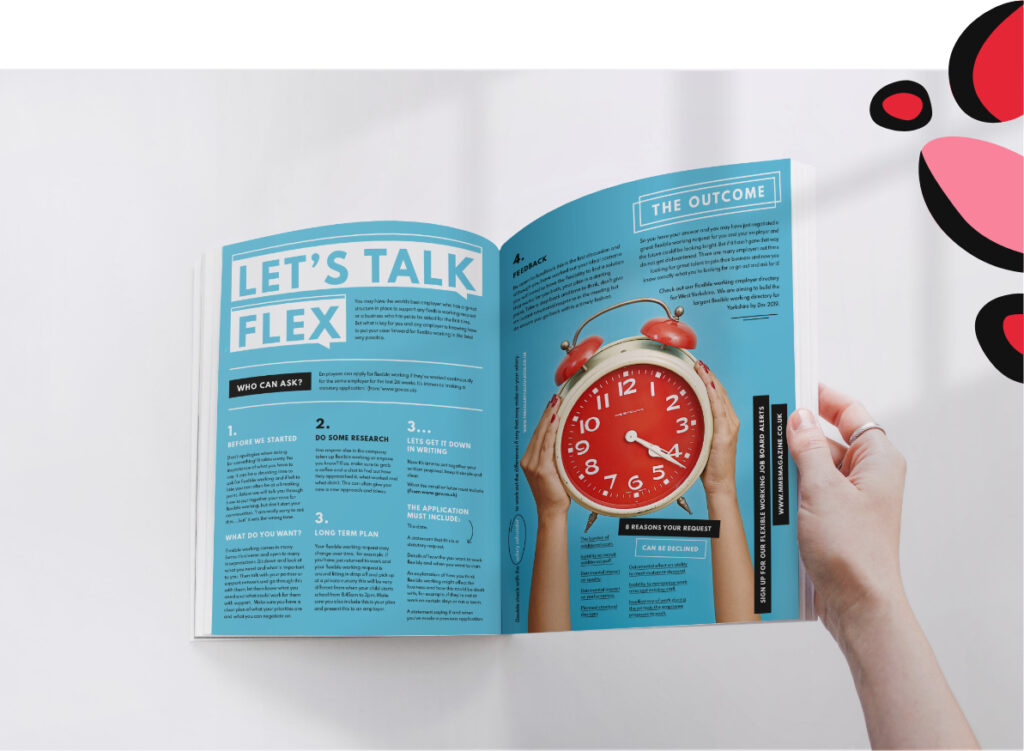
If your employer disagrees, they must write to you giving a genuine business reason for the refusal. And the reason must fall within one of the eight permitted reasons.
- Insufficiency of work to do during the proposed working times
- The burden of additional costs
- Structural changes as the business is planning changes to the workforce.
- Detrimental effect on the ability to meet customer demand
- Work cannot be reorganised among other staff
- Inability to recruit additional staff
- Detrimental impact on quality
- Detrimental impact on performance
Dependent on the reasons given or the process followed, you may have the ability to bring a complaint to an employment tribunal for failure to follow the statutory process and also possibly for a discrimination claim for unlawful discrimination.
What if I change my mind about my flexible work arrangement?
If you decide that you no longer wish to proceed with your flexible working request, you will need to put this in writing to your employer that you want to reverse your flexible working request. Should you miss two meetings with your employer to discuss your request or appeal without good reason, your employer can class your application as withdrawn.
I hope this article has helped answer many questions on “How Do I Ask For Flexible Working?” and helps you in requesting flexible working. This is general advice and generic guidance and should you have concerns or specific questions we would always advice you contact and employment law specialist.

# How Do I Ask For Flexible Working?