


By Abbie Coleman – MMB Magazine Editor
As a mum of two and an advocate for child development, I believe in the power of learning through play. With a passion for nurturing young minds, I empower parents with practical tips and insights to support their children’s growth and independence.
Our Future Montessori Generation
I decided on a Montessori nursery for my children and found it to be an environment where my little boy thrived, so for us, it was the right choice from an educational approach that he embraced in everyday life. My little girl doesn’t currently attend a full Montessori nursery as we didn’t have one nearby, but our local nursery adopts many of the principles, and again, we have seen her thrive.
From an early age, my eldest son displayed an insatiable curiosity and an innate desire to explore the world around him. It was during his time in a Montessori environment that we saw this curiosity truly flourish. With carefully curated materials and an encouraging atmosphere, he was given the space to lead his learning journey.
I can still remember the day he proudly tied his shoes for the first time, a skill he had learned through practical life activities in his Montessori classroom. It was a moment of pure empowerment, a small triumph that marked the beginning of his journey towards self-reliance. This newfound independence not only boosted his confidence but also eased the transition into other aspects of his life, including navigating friendships and taking on responsibilities at home.
We cover many articles around educational Montessori toys, Montessori couches, toy rotation, sensory experience, recyclable packaging games and more. But talking about the Montessori generation and philosophy gives it more context.
Table of Contents
In the whirlwind of the realities of modern life and motherhood, juggling work and family demands requires innovative strategies. The Montessori philosophy offers a dynamic approach that not only nurtures young children’s development (Especially 0-3 year olds) but also equips moms to thrive in their multifaceted roles. In this article, we’ll delve deeper into the essence of the Montessori philosophy and explore its potential to impact the lives of mums positively. I decided a Montessori nursery for my first child and found it to be a great decision for us and for my little ones.
Unveiling the Montessori Philosophy – The Traditional Montessori Method
Rooted in the pioneering work of Dr. Maria Montessori in the early 20th century in Italy, not the United States as some think, the Montessori philosophy revolves around child-led learning in an environment designed to foster independence and hands-on experiences. This philosophy extends beyond the Montessori classroom, providing a blueprint for creating nurturing home environments.
Empowering Mums through the Montessori Philosophy
Cultivating Independence
At the core of the Montessori philosophy lies the cultivation of independence in children. This fundamental principle holds immense promise for mothers, providing opportunities for their little ones to take on age-appropriate responsibilities. By nurturing autonomy and self-reliance, mums can reclaim precious time and energy for their pursuits.
Crafting a Purposeful Environment
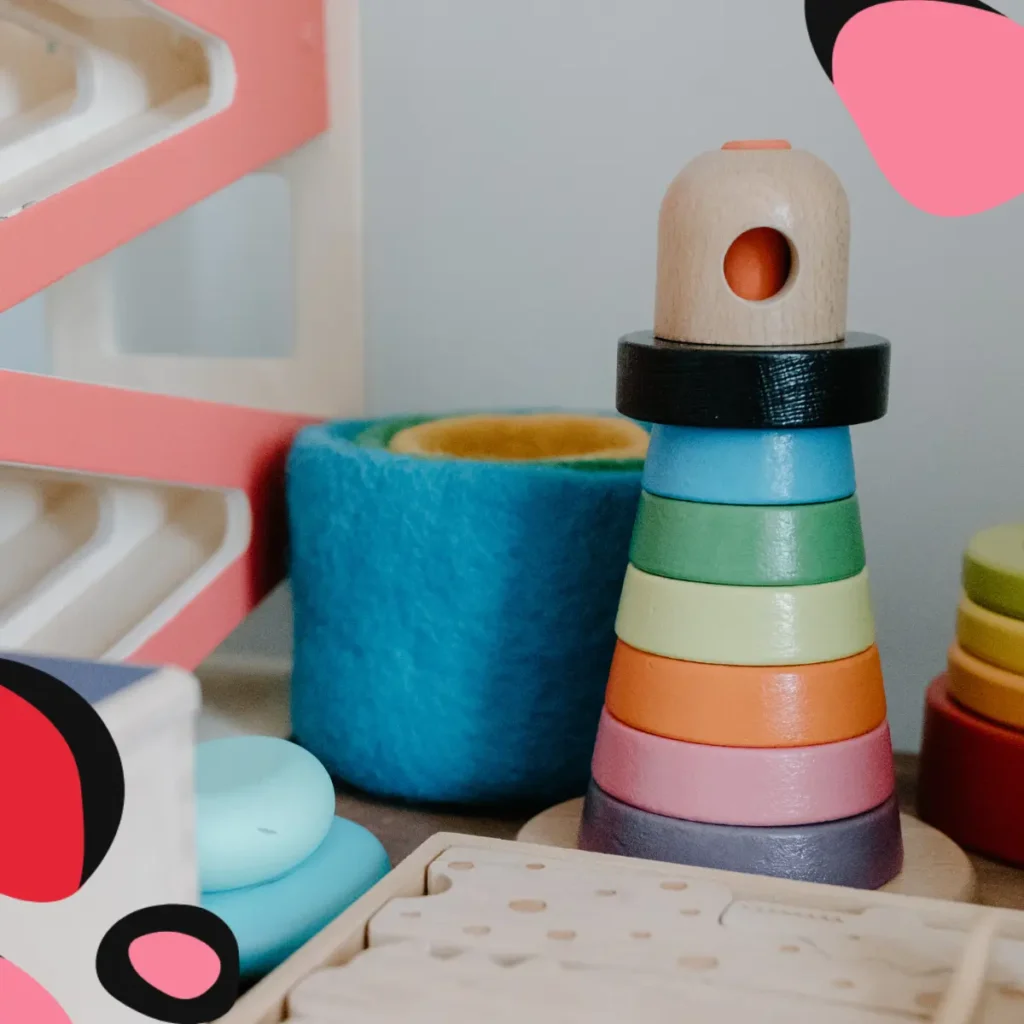
A Montessori-inspired home is thoughtfully curated to facilitate learning and exploration. For mums, this means designing a space that encourages independent play and self-directed learning. Simple, open-ended toys and appropriately sized furniture empower children to engage in activities independently, granting mums the flexibility they need to manage their responsibilities.
Fostering Curiosity and Creativity
The Dr Montessori philosophy champions a child’s natural curiosity and promotes learning at their own pace. This adaptable approach benefits working moms, encouraging a parenting style that can flex with the demands of a busy schedule. By observing and responding to their child’s unique interests, moms can ignite a lifelong love for learning.
Cultivating Respectful Relationships
At its core, the Montessori philosophy emphasizes treating children with respect and understanding to reach their full potential. This principle serves as a guiding principle for moms, fostering open communication and mutual respect. By embodying empathy and consideration, moms can build strong and trusting relationships with their children.
Create A Montessori Generation At Home
Here are some specific examples and step-by-step instructions for applying the Montessori philosophy in your own family:
Creating a Child-Friendly Environment:
- Step 1: Dedicate a specific area in your home for your child’s activities. This could be a corner in the living room or a section of their bedroom.
- Step 2: Choose child-sized furniture and arrange it in a way that allows easy access to toys and materials.
- Step 3: Select open-ended toys and learning materials encouraging exploration and hands-on play. Examples include wooden blocks, puzzles, and sensory bins.
Encouraging Independence:
- Step 1: Identify age-appropriate tasks your child can handle independently. For example, toddlers can put away their toys, while older children can set the table for meals.
- Step 2: Provide toy size tools and equipment at the right size. For instance, offer a minor pitcher for pouring water or a low stool for reaching counters.
- Step 3: Offer gentle guidance and allow your child to practice the task. Celebrate their efforts and acknowledge their growing independence.
Practical Life Skills:
- Step 1: Involve your child in everyday activities like meal preparation. For example, they can wash vegetables, stir ingredients, or set out utensils.
- Step 2: Break tasks into manageable steps, providing clear instructions. This helps build confidence and ensures success.
- Step 3: Encourage your child to clean up after themselves. This fosters a sense of responsibility and helps maintain an organized environment.
Observing and Adapting to Interests:
- Step 1: Observe your child’s natural inclinations and interests. Pay attention to the types of activities they gravitate towards. For example a Montessori arch is great for children who love to climb and explore.
- Step 2: Provide a variety of materials that align with their interests. For example, if they show an interest in animals, they offer books, figurines, and puzzles related to wildlife.
- Step 3: Rotate toys and materials periodically to keep their environment fresh and engaging. This prevents boredom and encourages continued exploration.
Encouraging Decision-Making:
- Step 1: Offer choices within appropriate boundaries. For example, let your child select which shirt to wear or which book to read before bedtime.
- Step 2: Present options in a way that allows your child to make decisions independently. Avoid overwhelming them with too many choices at once.
- Step 3: Celebrate their decisions, even if they choose differently than you might have. This reinforces their sense of autonomy and self-trust.
By following these step-by-step instructions and implementing specific examples, you can begin to incorporate the Montessori philosophy into your family’s daily routine. Remember, it’s a journey that can be adapted to suit the unique needs and interests of your child. Embracing this approach can lead to a more independent, confident, and empowered child.
Is Montessori Education Right For Your Child?
Choosing Montessori education is a decision that various factors can influence. Here are some key considerations that may lead individuals to opt for Montessori and who may find it particularly suitable:
Belief in Child-Centered Learning:
Montessori education is founded on the idea that children are natural learners and should actively participate in their education. Parents who value child-centred learning and want their children to have a say in their educational journey often gravitate towards Montessori.
Emphasis on Independence:
Montessori fosters independence and self-reliance from a young age. Parents who want their children to develop strong self-motivation, decision-making skills, and a sense of personal responsibility may find Montessori a good fit.
Multi-Age Classrooms:
Montessori classrooms often have mixed-age groups, allowing children to learn from and alongside peers of different ages. Parents who appreciate the benefits of collaborative learning and want their children to develop social skills in a diverse environment may find Montessori appealing.
Hands-On Learning:
Montessori education places a strong emphasis on hands-on, experiential learning. Parents who believe in the importance of tactile experiences and want their children to engage with their environment actively may find Montessori a great match.
Individualized Curriculum:
Montessori educators observe each child’s unique interests and abilities and tailor the curriculum to their needs. Parents who value personalized learning and want their children to progress at their own pace may be drawn to Montessori.
Respect for the Child:
Montessori principles emphasize treating children with respect, dignity, and understanding. Parents who want their child to be valued as an individual and to have their voice heard in their educational experience may be attracted to Montessori.
Holistic Development:
Montessori education focuses on the overall development of a child, including cognitive, social, emotional, and physical aspects. Parents who seek a well-rounded education that nurtures the whole child may find Montessori education to align with their values.
Long-Term Perspective:
Some parents appreciate the continuity of Montessori education, which often covers a complete three-year cycle. This allows children to build strong relationships with teachers and peers and provides a stable, consistent learning environment.
Interest in Practical Life Skills:
Montessori emphasizes teaching practical life skills, such as cooking, cleaning, and caring for the environment. Parents who believe in teaching their children real-world skills from an early age may find Montessori appealing.
Read some research from child psychologists on Dr. Maria Montessori’s method.
The Montessori generation philosophy offers a comprehensive framework for parenting that seamlessly integrates with the demands of modern motherhood. Through principles of independence, purposeful environments, curiosity, and respect, mums can not only support their child’s development but also find fulfilment and balance in their own lives.
As the Montessori generation philosophy gains recognition, it stands as a beacon of empowerment for mums navigating the intricacies of today’s world. Embracing this approach, if it is the approach for you, not only enriches the lives of children but also empowers mums to flourish in their multifaceted roles. Why not visit some local Montessori schools nurseries and see if it’s the right fit, or check out some of the best Montessori learning toys online with your own children? Is the Montessori generation the way forward?
The Future Montessori Generation