

The biggest DOs and DON’TS of kitchen renovation
Even though they may be difficult, kitchen renovations are among the most satisfying tasks a homeowner can take on. But without the right direction, this artistic project may easily become too much to handle.
We’re going to lay out some essential guidelines today to help your refurbishment go as smoothly as possible.
Every choice you make, from creating a manageable budget to choosing premium kitchen brands, will significantly impact the design of your new kitchen.
Table of Contents
DO invest in high-quality kitchen cabinets
Investing in high-quality cabinets is a huge decision for anybody remodelling their kitchen. After all, kitchen cabinets are one of the first things to catch the eye of visitors, family and friends.
Homeowners who haven’t renovated their kitchen in the last ten years may find their cabinets are slightly less operational or even discoloured! That’s why it’s so important to stay up-to-date with the latest premium kitchen brands.
Neptune ex display kitchens, for example, allow homeowners to get the impeccable quality associated with a top-name brand for half the price! It’s these small considerations that can really make the difference, both to your budget and the end result.
Businesses like these, which emphasise superb craftsmanship and customised designs, will provide you with the most value for your money.
We recommend browsing for cabinets constructed of premium-grade plywood or solid hardwood—both of which are ideal for withstanding wear and tear!
DON’T leave storage until the last minute
Storage is something a lot of renovators overlook when designing their kitchens.
Appropriate storage is one of the most crucial elements of any remodel, even if it may not be as exciting as new fixtures, cabinets, or appliances. By incorporating creative storage designs into its arrangement, you can significantly increase the functionality of your space.
If you want to store spices and condiments on pull-out shelves, this will leave your countertops free while still giving you easy access to necessities.
Extending cabinets to the ceiling is another common solution that maximises any available vertical space. It also gives you space for things like specialised cooking tools or seasonal tableware that you don’t use every day.
Other clever ideas like a wall rack for utensils or a magnetic strip for knives may save vital counter space for homes with tiny kitchens!
DO think about what you NEED, not what you WANT
Prioritising the things you really need while deciding what to save for later is the key to a sustainable budget.
In general, necessities are things that are essential for the kitchen to work well, such as sturdy worktops, enough storage, and high-quality equipment.
Wants, however, are attractive but optional improvements that improve the kitchen’s aesthetics, such as sophisticated finishes, cutting-edge appliances, or redesigned décor.
By taking a systematic approach, you’re more likely to avoid the classic renovation mistake of overspending! For example, a wine cooler may seem like a great addition, but it should only be considered when every other need has been met and when the funds allow for it.
Using an organised strategy makes it easier to rank the expenses that will have the biggest, longest-lasting effects.
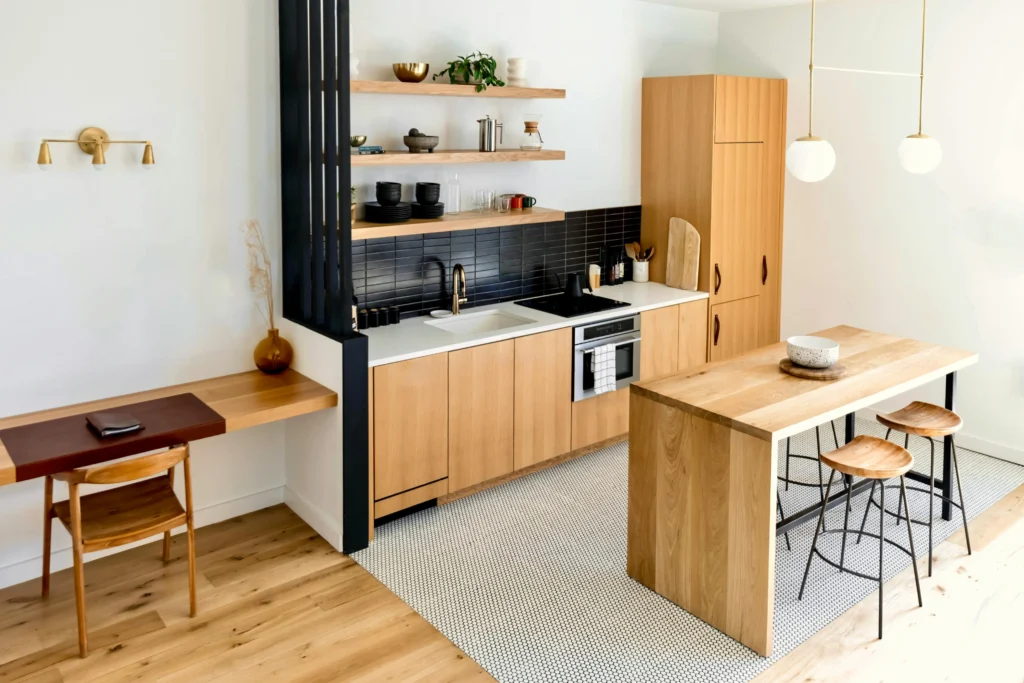
DON’T forget about initial budgets.
On the topic of budgets, it’s important to take a practical, pragmatic approach like this from the offset. One of the most frequently made (and expensive!) mistakes you can make while renovating your kitchen is to begin without a well-planned budget.
To keep track of spending and minimise financial shocks, you need to create an initial budget. Establishing this from the beginning provides a clear set of financial limitations. Unexpected or last-minute alterations may cause your renovation to go way over budget.
For instance, after the demolition is underway, you may find concealed water damage or antiquated wiring, which can dramatically raise expenses.
If you design a budget that includes a contingency reserve, which is usually between 10 and 20 percent of your overall budget, you can pay for these unforeseen costs without losing track of your project.
Determining where to save and where to indulge can also be aided by clearly defining your budget.
If you have a strong preference for high-end equipment, you may choose less costly flooring to keep your costs in check. Thanks to this wise financial allocation, you’ll get the most value out of your refurbishment.