

Looking At The Rise of Women in the Firefighting Industry
Table of Contents
Despite the strides made toward gender equality, many professions still echo the sounds of male dominance. Picture towering cranes of construction sites, hums of engineering labs, and marches of military units – they often bring to mind men’s faces.
Firefighting, with its intense physical demands and life-threatening challenges, has long stood as one of these male-dominated fields. However, the tide is beginning to turn. The firefighting industry is slowly but surely making way for female firefighters. These courageous women are breaking barriers and proving that courage and skill know no gender boundaries.
Today, we’re here to pay tribute to the remarkable women who have pushed through the strong resistance they met in firefighting. Having dealt with the challenges bravely, they’ve made a path for future generations of women to step into the profession without second thoughts.
America’s First-Ever Female Firefighter Was A Slave
Amidst the urban sprawl of 19th-century New York City, Molly Williams emerged as the woman who would change the dynamics of firefighting in America.
Molly was enslaved by Benjamin Aymar, a prominent merchant, and member of Oceanus Engine Company No. 11. While her primary duties involved cooking and cleaning for the firehouse, destiny had other plans for her.
The winter of 1818 was particularly harsh, blanketing the city with a thick layer of snow. Amidst a severe blizzard, an influenza epidemic further compounded the city’s woes, sidelining most volunteer firefighters who normally answered the call of duty.
As a fire broke out in the neighborhood, with the regular firefighters incapacitated, it was Molly who rose to the occasion. Donning the gear typically worn by her male counterparts – a heavy woolen dress, sturdy boots, and her checkered apron – she braved the elements.
The snow was knee-deep, and the wind howled mercilessly, but Molly’s resolve was unyielding. She grabbed hold of the fire engine’s drag rope, her hands calloused from years of labor, and began pulling it through the snow-laden streets.
Her fellow firefighters, initially skeptical, watched in awe as Molly, with sheer determination and strength, hauled the heavy engine alongside them. Her courage gave everyone hope amidst the storm, her actions defying the conventions of her time.
Molly Williams was not just fighting a fire. She was battling the entrenched prejudices of a society that saw both her gender and her race as limitations. Her heroism did not go unnoticed.
Soon, Williams became a respected and integral part of the fire company, her story inspiring future generations of women to pursue careers in firefighting.
A Black Woman’s Journey in the Firefighting Industry
Even after the groundbreaking efforts of Molly Williams, women, particularly Black women, continued to face challenges in the firefighting industry. After all, acceptance of one heroic action doesn’t immediately shatter century-old prejudices, does it?
Another remarkable woman who joined in the battle of gender inequality in the firefighting industry is Deborah Johnson.
Deborah Johnson’s journey began in 1975 when she moved from Waco to Corpus Christi, Texas.
When working in an office job, Deborah was sarcastically encouraged by a male colleague to apply to the Corpus Christi Fire Department (CCFD). Taking the suggestion to heart, she decided to pursue this path, despite the many societal and professional barriers that lay ahead.
When Deborah joined the CCFD, she became the first Black female firefighter in the department’s history. Her presence was not always welcomed.
Johnson encountered skepticism, prejudice, and resistance from some of her male colleagues. None of them were accustomed to working alongside a woman, let alone a Black woman. The physical demands of firefighting were often used as arguments against women joining the force, but Deborah proved her capability time and again.
Despite the uphill battle, Deborah’s perseverance paid off. She earned the respect of her peers through her dedication and performance.
Eventually, Johnson paved the way for more women and people of color to join the firefighting profession. Her story is a powerful reminder of the importance of representation in inspiring future generations.
The First All-Women Firefighting Crew Set Up in Indonesia
The rise of all-women firefighting crews marks another significant milestone in the evolution of the firefighting industry. It not only challenges the gender norms but also proves that women can excel in any field, including those traditionally dominated by men.
A powerful example of this trend can be found in Indonesia, where a group of women has formed a formidable firefighting crew known as The Power of Mama.
Located in West Kalimantan, Borneo, The Power of Mama was established in 2022. Their motivation was to respond to the devastating forest and peatland fires that regularly ravage the region. These fires, often caused by illegal slash-and-burn practitioners, lead to severe air pollution posing a threat to the environment and local communities.
The all-women crew, composed mainly of mothers and grandmothers, has been trained to combat these blazes with both modern firefighting techniques and traditional knowledge. In addition to extinguishing fire, they also educated their communities on fire prevention and sustainable land use practices.
The women of The Power of Mama bring a unique perspective to their work, driven by a deep-rooted commitment to protecting their families.
Their journey has certainly not been easy. They’ve had to overcome skepticism and resistance, often facing doubt about their capabilities simply because of their gender.
However, their success in reducing the impact of fires in their region has earned them respect and recognition. It also goes on to demonstrate that women can be equally effective and essential in the fight against forest fires.
The Safety Aspect – Are Female Firefighters Safe?
While more women are embracing the firefighting profession, it’s essential to address the health concerns they’d be exposed to in the line of duty. Just like the men, they also face the risk of occupational hazards of firefighting, some of which might not be that apparent.
TruLaw notes that the AFFF firefighting foam that these professionals use contains PFAS chemicals. These persistent chemicals expose them to the risk of several cancer types.
The risk, that came to light in recent years, led many firefighters to file a lawsuit against the AFFF manufacturers for their negligence of warning. While the AFFF lawsuit settlement amounts vary according to the extent of exposure, each victim is ensured to get fair compensation.
The Future of Women Firefighters is Bright
The future of women in firefighting is indeed bright, driven by initiatives designed to attract female firefighters from a young age.
For instance, in DeKalb County, Georgia, the “Female Firefighter Weekend” event provides a hands-on experience for young women to explore firefighting as a career. This event includes demonstrations, interactive sessions, and personal stories from female firefighters, aiming to inspire the next generation of women in the field.
Through these engagements and interactions, they attempt to break down gender stereotypes and encourage more women to consider this career path. They also reflect a broader trend of increasing support and opportunities for women in firefighting.
Frequently Asked Questions (FAQs)
How many firefighters lost their lives in the 9/11 incident?
The number of firefighters who lost their lives in the tragic 9/11 terrorist attack in the US is 343. All of these firefighters belonged to the Fire Department of New York City (FDNC). Beyond these heroes, the attack claimed the lives of 2,977 people in the country.
Do female firefighters have the same requirements as men?
Many women are under the impression that upon joining the fire department, they’d only be assigned paperwork. While that might’ve been the case once, it’s no longer true. Today, both genders are treated the same and have the same requirements in terms of entrance exams and academic training.
How many female firefighters are there in the US?
According to Women in Fire, the 2022 statistics reveal that female firefighters account for only 9% of the country’s total firefighting population. These statistics have been collected from the US Fire Department. However, in the coming five years, these numbers are expected to rise significantly.
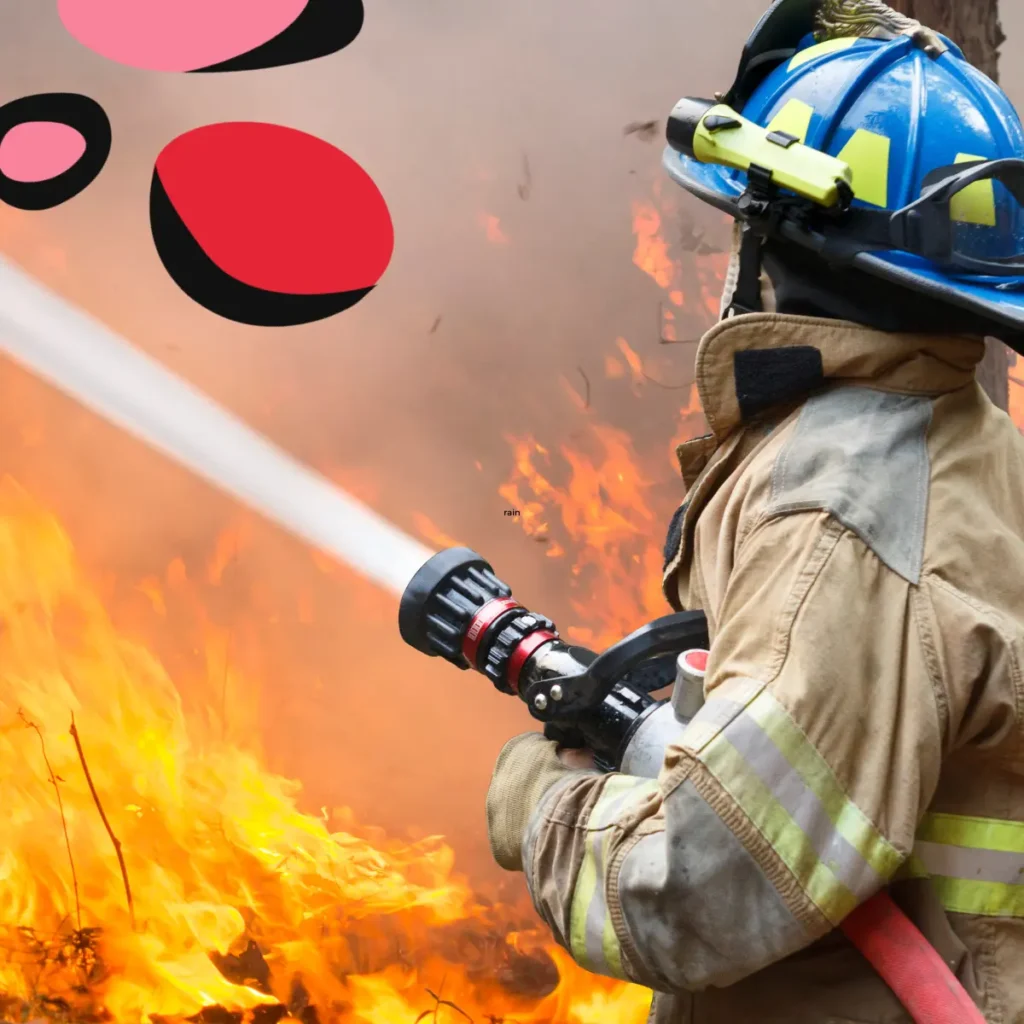
With more women joining the ranks, the future of firefighting is set to become more inclusive, diverse, and representative of the communities they serve.
The rise in visibility and support for female firefighters promises a future where young girls can see themselves in these roles. It is vital to help them recognize that they too can make a significant impact in this vital and rewarding profession.