Enhancing Control and Management: The Role of Rope Barriers and Supply Chain Security
In today’s fast-paced world, control and management are crucial elements across various industries and environments. From ensuring orderly conduct at events to safeguarding the integrity of goods in transit, both rope barriers and supply chain security play vital roles. Although they serve different purposes, the underlying principles of control, management, and protection link them closely. This article explores how these tools enhance control and management in their respective domains.
Table of Contents
Rope Barriers: Control and Management in Public Spaces
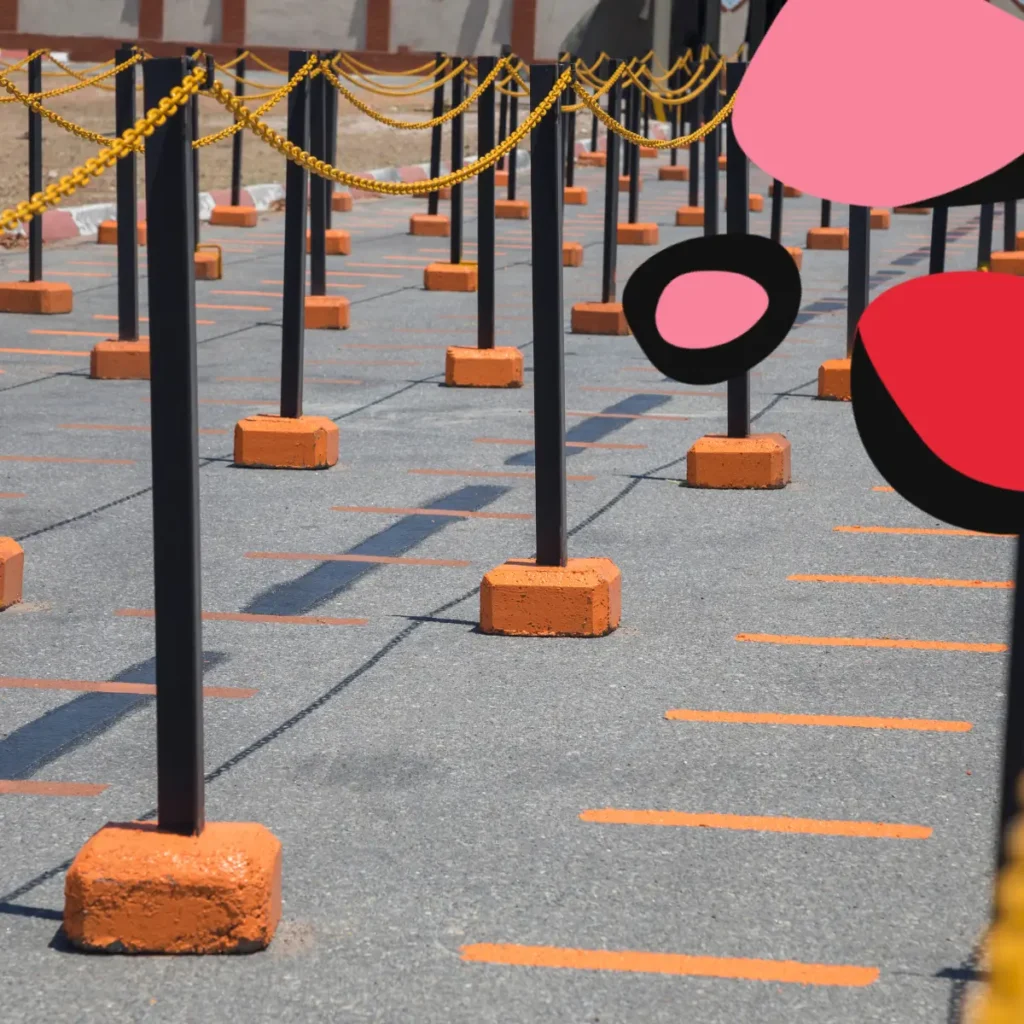
Rope barriers, also known as stanchions, are a common sight in places like airports, banks, museums, and event venues. Their primary function is to manage the flow of people, ensuring order and safety in high-traffic areas.
Managing Crowds
One of the most significant benefits of rope barriers is their ability to control crowds. In situations where large numbers of people are present, such as concerts, exhibitions, or airports, maintaining order is essential. Rope barriers help to form orderly queues, prevent overcrowding, and guide individuals to their destinations efficiently. This not only enhances the overall experience for attendees but also reduces the risk of accidents and ensures that security personnel can manage the crowd effectively.
Preventing Unauthorised Access
Rope barriers also serve as a physical and psychological deterrent to unauthorised access. By clearly delineating restricted areas, they help to prevent individuals from entering spaces where they are not permitted. This is particularly important in environments where security is a priority, such as in banks, government buildings, and VIP sections at events. The presence of rope barriers signals to individuals that certain areas are off-limits, thus reducing the likelihood of security breaches.
Enhancing Safety
Safety is a paramount concern in any public space. Rope barriers contribute to safety by creating clear pathways and preventing congestion. For instance, in emergency situations, well-placed rope barriers can help guide people to exits quickly and efficiently, minimising the risk of panic and injury. Moreover, by managing the flow of people, rope barriers help to prevent accidents caused by overcrowding or chaotic movement.
Supply Chain Security: Control and Management in Logistics
While rope barriers manage people, supply chain security focuses on the movement and protection of goods. The supply chain is a complex network that involves the transportation of goods from manufacturers to consumers. Ensuring the security of this process is crucial for maintaining the integrity of products and the trust of consumers.
Protecting Goods in Transit
Supply chain security measures are designed to protect goods from theft, tampering, and damage during transit. This includes using tamper-evident seals, GPS tracking, and secure packaging. By implementing these measures, companies can monitor the movement of goods in real-time, ensuring that they reach their destination safely and intact. This level of control is essential for maintaining the quality of products and preventing financial losses.
Preventing Unauthorised Interference
Similar to how rope barriers prevent unauthorised access to restricted areas, supply chain security measures prevent unauthorised interference with goods. This is particularly important for high-value or sensitive products, such as pharmaceuticals, electronics, and luxury items. By using security seals and monitoring technologies, companies can detect any attempts to tamper with shipments and take immediate action. This not only protects the goods but also ensures compliance with regulations and industry standards.
Ensuring Efficiency and Reliability
Efficient supply chain management is crucial for meeting customer expectations and maintaining competitiveness. Security measures play a key role in ensuring that the supply chain operates smoothly and without disruptions. For example, by preventing theft and damage, companies can avoid delays and ensure that products are delivered on time. Additionally, the use of tracking technologies allows for better visibility and coordination, enabling companies to respond quickly to any issues that arise.
Common Principles: Control, Management, and Protection
Despite operating in different contexts, rope barriers and supply chain security share common principles that enhance control and management.
Control
Both tools provide control over their respective environments. Rope barriers control the flow of people, while supply chain security controls the movement of goods. This control is essential for maintaining order and efficiency.
Management
Effective management is crucial for both public spaces and logistics. Rope barriers help manage crowds and prevent unauthorised access, while supply chain security measures manage the safe and timely delivery of goods. Both tools require careful planning and implementation to be effective.
Protection
Protection is a key element in both cases. Rope barriers protect individuals by creating safe and orderly environments, while supply chain security protects goods from theft, tampering, and damage. Both contribute to the overall safety and security of their respective domains.
Conclusion
In conclusion, rope barriers and supply chain security are essential tools for enhancing control and management in their respective areas. While rope barriers manage people and ensure safety in public spaces, supply chain security focuses on the protection and efficient movement of goods. Despite their differences, they share common principles of control, management, and protection, highlighting their importance in creating organised, safe, and efficient environments. By understanding and implementing these tools effectively, organisations can enhance their operations and better serve their customers and clients.