5 Tips on How to Pick The Best Hair Growth Serum for Thinning Hair
Table of Contents
Thinning hair can be a source of concern for many individuals. Fortunately, hair growth serums offer a potential solution to this common problem. These specialized products are designed to nourish the scalp and stimulate hair follicles, promoting thicker, fuller-looking hair.
Choosing the right hair growth serum for thinning hair involves considering factors such as ingredients, formulation, and your specific hair needs. Some serums contain FDA-approved ingredients like minoxidil, known for its effectiveness in stimulating hair growth. Others utilize natural components such as rosemary oil, vitamin D3, and peptides to support scalp health and encourage hair regrowth.
When selecting a hair growth serum for women, it’s essential to consider your hair type, scalp condition, and the underlying causes of your hair thinning. By understanding these factors and carefully evaluating product options, you can find a serum that addresses your unique needs and helps you achieve the lustrous, full hair you desire.
Key Takeaways
- Consider ingredients and formulation when selecting a hair growth serum
- Evaluate your specific hair needs and underlying causes of thinning
- Consistent application and patience are crucial for optimal results
Identifying Your Hair Needs and the Role of Hair Growth Serums
Selecting the right hair growth serum requires understanding your specific hair concerns and the key ingredients that address them. Different hair types and textures may benefit from tailored solutions.
Understanding Hair Loss and Thinning
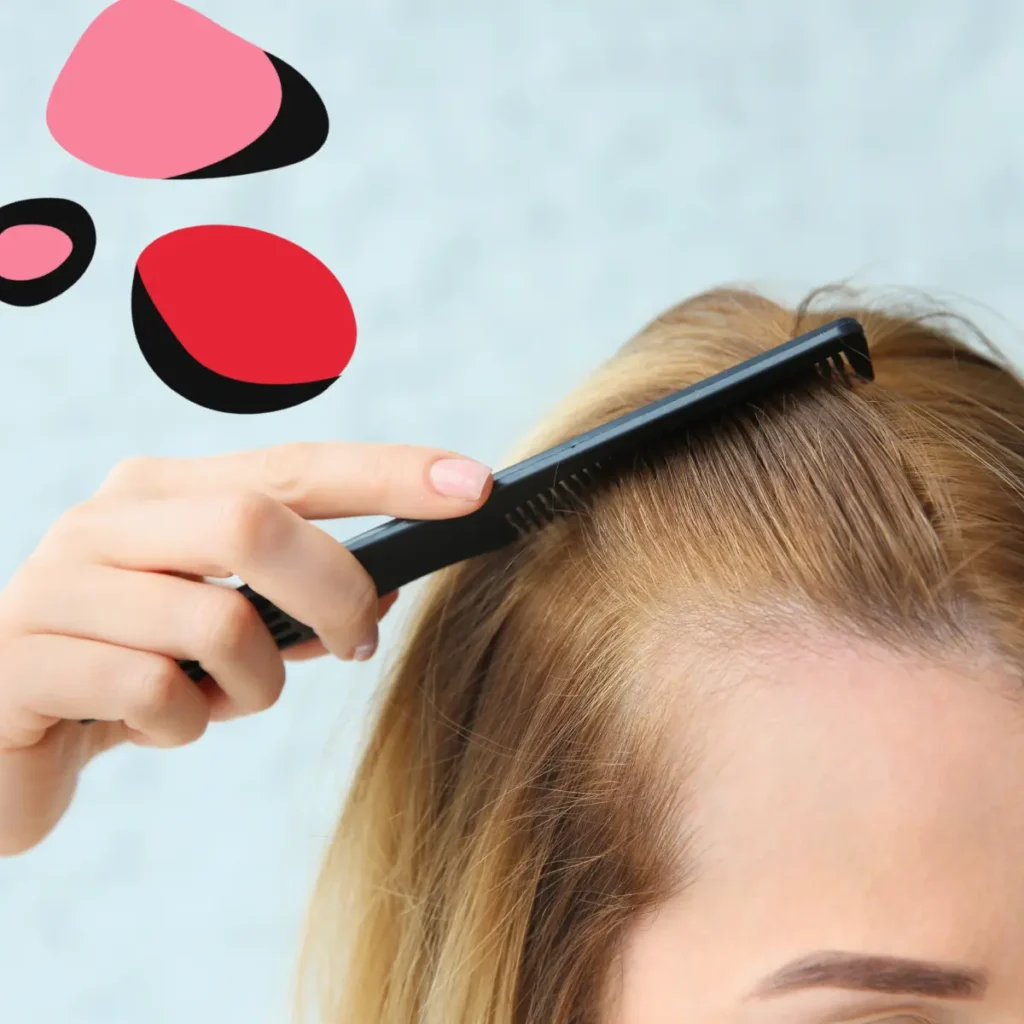
Hair loss and thinning can result from various factors, including genetics, hormonal changes, and nutritional deficiencies. Thinning often begins at the crown or along the part line. Hair growth serums aim to combat these issues by nourishing the scalp and stimulating hair follicles.
Scalp health plays a crucial role in hair growth. A clean, well-nourished scalp provides an optimal environment for hair follicles to thrive. Some serums include ingredients that balance scalp pH and reduce excess oil production.
Stress and environmental factors can also contribute to hair thinning. Certain serums contain adaptogens that help the hair and scalp cope with these external stressors.
Key Ingredients in Hair Growth Serums
Effective hair growth serums often contain a combination of active ingredients:
- Minoxidil: FDA-approved for hair regrowth
- Biotin: Supports keratin production
- Caffeine: Stimulates hair follicles
- Peptides: Strengthen hair strands
- Saw palmetto: May block DHT, a hormone linked to hair loss
Natural ingredients like rosemary oil and pumpkin seed oil have shown promise in promoting hair growth. Antioxidants such as vitamin E protect hair follicles from damage.
Dermatologists and trichologists recommend looking for serums with clinically-proven ingredients. Avoid products with harsh chemicals that may irritate the scalp.
How to Choose Serums for Different Hair Types and Textures
Hair growth serums are not one-size-fits-all. Consider your hair type and texture when selecting a product:
- Fine hair: Lightweight, non-greasy formulas
- Thick hair: Rich, deeply moisturizing serums
- Curly hair: Products with extra hydrating ingredients
- Oily scalp: Water-based serums with oil-controlling properties
- Dry scalp: Serums with nourishing oils and humectants
For color-treated hair, look for sulfate-free options that won’t strip dye. Those with sensitive scalps should choose fragrance-free, hypoallergenic formulas.
Consistency is key when using hair growth serums. Most products require daily application for several months to see noticeable results. Always perform a patch test before applying a new serum to your entire scalp.
Evaluating and Using Hair Growth Serums Effectively
Selecting and applying hair growth serums requires careful consideration and consistent use for optimal results. Understanding expert opinions, following best practices, and knowing when to seek professional advice are key factors in maximizing the effectiveness of these products.
Expert and Consumer Reviews: The Credible Sources
Dermatologists, trichologists, and experienced beauty writers offer valuable insights into hair growth serums. Publications like Byrdie, The Zoe Report, and Elle feature expert recommendations and editor-tested products. These sources often highlight serums with ingredients like Minoxidil and biotin, known for promoting hair growth.
Consumer reviews provide real-world experiences with different serums. Look for feedback on factors such as:
- Consistency of the product
- Ease of application
- Visible results over time
- Effects on scalp health and hair texture
Pay attention to reviews from users with similar hair concerns, as their experiences may be more relevant to your situation.
Best Practices for Consistent Serum Use and Achieving Results
Consistent application is crucial for hair growth serums to be effective. Follow these tips:
- Apply the serum to a clean, dry scalp
- Use the recommended amount – more isn’t always better
- Gently massage the serum into the scalp to promote absorption
- Apply daily or as directed by the product instructions
- Be patient – results may take 3-6 months to become noticeable
Choose lightweight formulas for easy application and to avoid weighing down hair. Some serums offer additional benefits like hydration for dry scalp or protection for color-treated hair. Incorporate the serum into your regular hair care routine for best results.
When to Consult a Professional for Hair Growth Concerns
While hair growth serums can be effective, certain situations warrant professional advice:
- Excessive shedding or sudden hair loss
- Scalp irritation or persistent dryness
- No improvement after 6 months of consistent serum use
- Concerns about interactions with medications or medical conditions
A dermatologist can:
- Assess underlying causes of hair thinning
- Recommend prescription-strength treatments if needed
- Provide personalized advice on product selection and use
Seeking professional help ensures a targeted approach to addressing hair growth concerns and can lead to more effective treatment strategies.
Conclusion
Choosing the right hair growth serum requires careful consideration of ingredients, individual needs, and expert recommendations. Minoxidil, peptides, and natural extracts like rosemary oil can be effective for addressing thinning hair. Consulting a dermatologist or trichologist is advisable for personalized guidance. With consistent use and realistic expectations, the best hair growth serum can support healthier, fuller-looking hair over time.