
What Causes Rosacea? Everything You Need To Know
- This is not medical advice. Always speak to a medical professional before undergoing treatment.
Rosacea is a skin condition that affects thousands of people. It can be quite distressing or embarrassing, and not much is known about exactly what causes it. It is a long-term, non-contagious condition that mainly affects the face and is most common in women and those with lighter skin. However, when men are affected, the symptoms can be worse.
It rarely affects children, but occasionally, it can. If your child has symptoms such as red, irritated eyes, styes or pinkeye, red, swollen eyelashes, or persistent flushing on the face, you should consider a consultation with an expert dermatologist who can conduct a thorough assessment.
Table of Contents
What are the signs of rosacea?
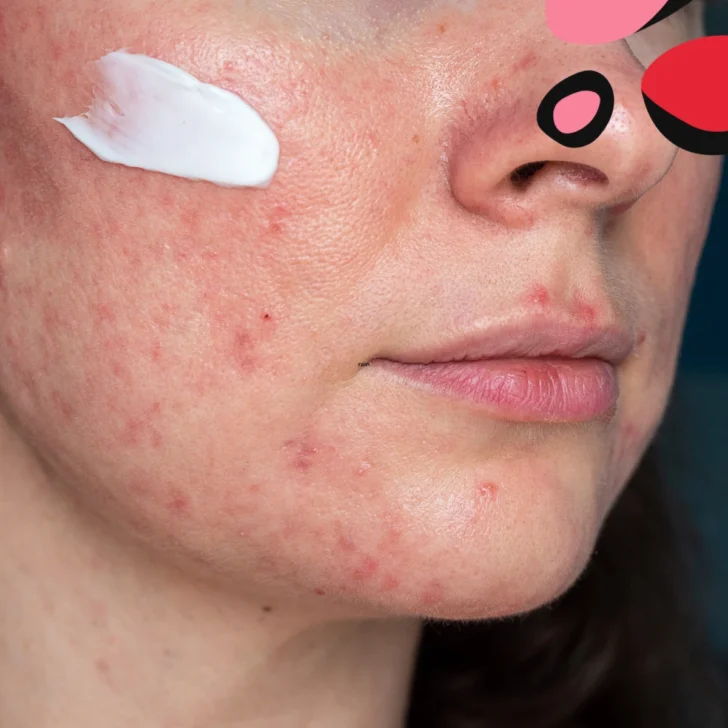
The first signs of rosacea are when you see redness – similar to blushing – across your nose, cheeks, forehead, chin, neck and chest. Please note that the redness may be harder to detect in darker skins. These can last a few minutes at a time and can come and go. Your face may feel warm, hot or sore. You may also experience a burning or stinging feeling when using skincare products or water.
You may notice tiny broken blood vessels appear on your skin which don’t go away and you may develop small pink or red bumps which sometimes fill with a yellowish liquid, very similar to acne. As rosacea gets worse, the redness may become permanent.
Other symptoms of rosacea may include:
- Dry skin
- Swelling around the eyes
- Sore eyelids or crustiness around the roots of the eyelashes which could be blepharitis.
- Yellow/orange patches on the skin
- After many years you could get thickened skin mainly on the nose.
What are the causes of rosacea?
Experts are undecided on the exact cause of rosacea. However, it is thought that there could be a genetic link as most sufferers have a close relative who also has the condition. It is not clear though how it is passed down. A bacteria found in the gut called H.pylori has been linked to rosacea through a protein it produces which dilates blood vessels. Abnormalities in the facial blood vessels are a major contributing factor. Demodex folliculorum mites are also suspected of playing a part in causing rosacea, as these harmless microscopic mites have been found on the skin of people with the condition.
Are there any trigger factors?
Symptoms can be made worse by flare-ups which can be sparked by certain common triggers. These can include:
- Spicy foods
- Alcohol
- Hot drinks
- Sunlight
- Hot or cold temperatures
- Aerobic exercise such as running which helps to dilate the blood vessels
- Stress
It is important to note that not everyone is triggered by the same conditions and the symptoms can sometimes vary among individuals.
What treatments are there?
There are treatments available for rosacea but there are also things you can do in the meantime to help minimise your symptoms such as:
- Wear a high factor (at least SPF 30) sunscreen every day
- Try to avoid heat, bright sunlight or humidity where possible
- Cover your face in very cold weather
- Use gentle skincare products
- Take advice on managing stress
- Clean sore, itchy eyelids once a day (take advice from a pharmacist if this is an issue)
- Avoid alcohol, hot drinks, spicy food and aerobic exercise
Rosacea can look like other conditions such as acne, contact dermatitis, lupus or keratosis pilaris. Instead of suffering in silence or, worse, getting treated for the wrong condition, make sure to seek an opinion from dermatologists who specialise in the treatment of rosacea. That way you can be sure of getting expert analysis and bespoke treatment for your skin condition.