
The Case for Local Authorities to Invest in Wheelchair Accessible Vehicles
Table of Contents
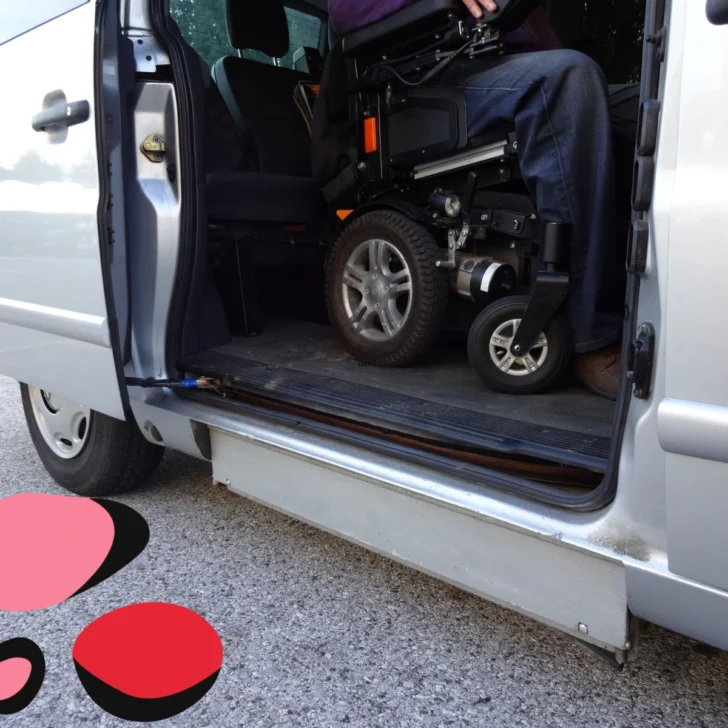
Ensuring accessibility to transportation is essential for fostering inclusive communities. For local authorities, prioritising investments in wheelchair accessible vehicles (WAVs) reflects a commitment to equity and social responsibility. By providing access to public transport options for individuals with mobility challenges, these investments also enhance the overall quality of life for the community.
Access to adequate transportation is often taken for granted. However, a lack of accessible vehicles can lead to social isolation among individuals with disabilities, preventing them from engaging in work, education, and essential services. Local authorities are responsible for facilitating the mobility of all residents and enabling participation in community life. By investing in WAVs, they can effectively address this need and provide critical services to those who require them, and here’s how.
Assessing Community Needs
A successful investment in wheelchair accessible vehicles begins with a thorough understanding of the community’s specific needs. Local authorities can gather insights by engaging with advocacy groups, disability organisations, and community members. Conducting surveys or focus groups can uncover valuable data on transport patterns, service demand, and areas lacking sufficient accessibility.
This information is crucial for local authorities, as it guides the selection of vehicles that best serve the community. For example, identifying a high demand for accessible transport in a particular area allows authorities to allocate resources more effectively, demonstrating their commitment to inclusion and community support. By ensuring that wheelchair-friendly taxis are part of the transport infrastructure, communities can enhance mobility for all residents.
Collaborating with Local Institutions
Local authorities should prioritise the procurement of locally approved WAVs. These vehicles are rigorously tested to meet safety and accessibility standards, ensuring suitability for transporting individuals with various mobility challenges. By choosing approved vehicles, authorities streamline operations and avoid complications linked to unverified options.
Moreover, investing in locally approved WAVs can strengthen partnerships with local institutions, such as healthcare providers, educational facilities, and community organisations. These partnerships are essential, as they often require accessible transport for clients or students. Local authorities can enhance collaboration and support systems within the community by demonstrating a commitment to accessible transport.
For instance, local authorities can work closely with educational institutions to create transport initiatives that ensure students with disabilities can attend school without barriers. This collaborative approach fosters an inclusive environment and significantly enhances the efficacy of local transport systems.
Embracing Technological Advancements
Incorporating modern technology into the fleet of accessible vehicles can drastically improve service quality. Features such as automatic ramps, securement systems, and enhanced GPS for real-time location tracking can be included. These technological advancements ensure a smoother and more efficient transportation experience for users.
Furthermore, local authorities can also consider integrating innovative scheduling and dispatch systems. Such systems can help optimise routes, minimise wait times, and ensure that vehicles are available when and where they are most needed. Enhancing the operational efficiency of accessible transport can lead to higher user satisfaction and encourage greater reliance on these services.
Environmental Considerations
With increasing environmental awareness, the sustainability of transport options must not be overlooked. Local authorities should consider investing in electric or hybrid wheelchair accessible vehicles, which can help reduce carbon emissions and improve local air quality. Such choices reflect a broader commitment to ecological responsibility and align with the growing emphasis on sustainability in urban planning.
Choosing environmentally friendly vehicles addresses climate concerns and caters to an increasingly eco-conscious demographic. Communities appreciate when local authorities prioritise sustainability, which can lead to increased engagement and support for transport initiatives.
In practical terms, electric and hybrid accessible vehicles can lower operational costs over time due to reduced fuel consumption and maintenance needs. Authorities can tap into various funding opportunities to promote sustainable transport solutions, making this investment all the more appealing.
The Societal Benefits of Accessibility
Investing in accessible vehicles has far-reaching societal benefits. Providing robust and accessible transport systems empowers individuals with disabilities to participate more fully in society. This increased independence improves well-being and boosts economic productivity, ultimately fostering a more connected community.
An inclusive transport system enhances access to education, employment, and healthcare, which benefits the entire community. When mobility is accessible, individuals are more likely to seek job opportunities or attend educational programmes, contributing to a more vibrant economy. This ripple effect underscores the importance of prioritising accessible transport as a core component of community development.
Building Community Trust and Engagement
Investing in accessible transport services fosters trust and engagement between local authorities and residents. Transparency in decision-making processes and involving community members in discussions about transport needs can enhance public perception and support.
If they prioritise accessible transport, local authorities will be able to clearly communicate their values and commitment to serving all residents, including those with disabilities. A proactive approach like this can lead to a more engaged public and foster collaboration between community members and local government.
Feedback mechanisms can be established to allow residents to voice their opinions on accessible transport services. This engagement helps improve service quality and builds a sense of ownership within the community, as residents see their input influencing local decisions.