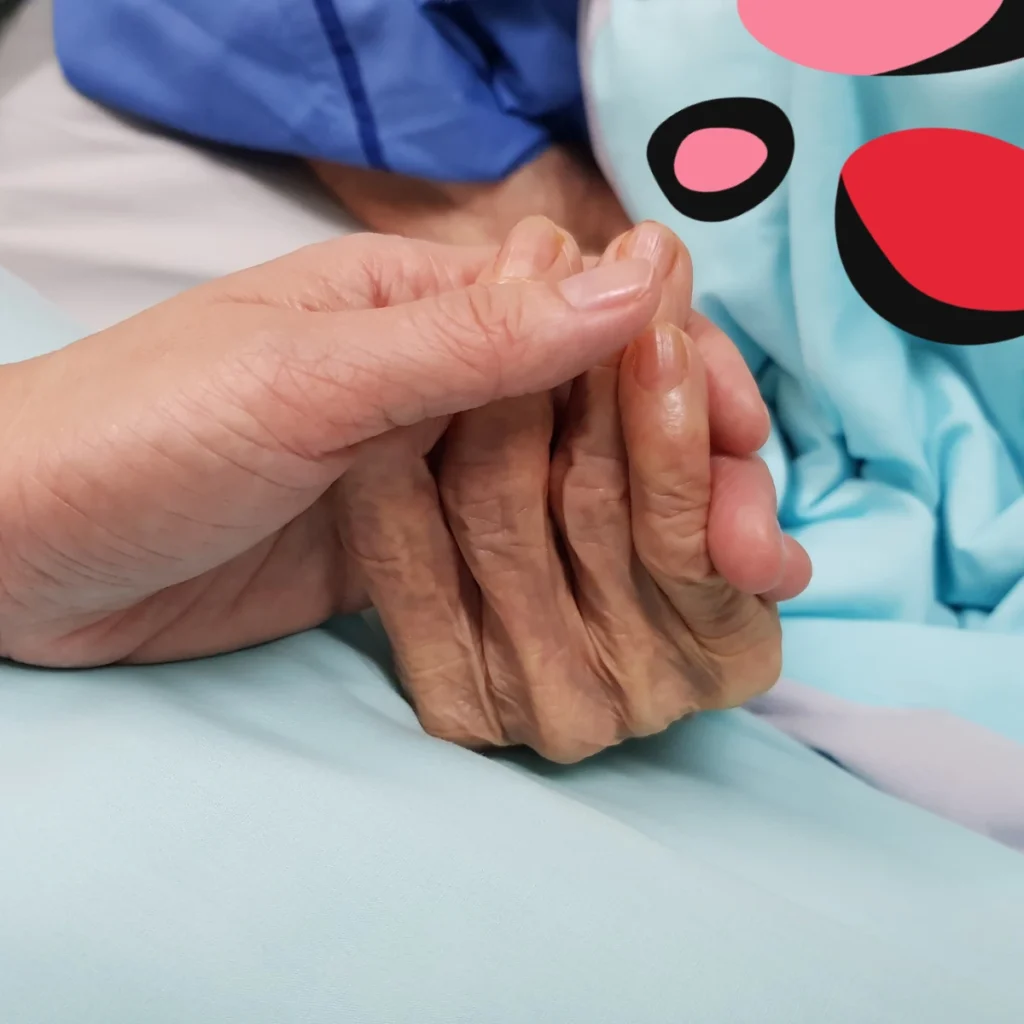

The Importance of Comfort and Care in End-of-Life Support for Seniors and Their Families
Facing the end of life is a deeply emotional journey for seniors and their families. It’s a time when providing comfort and care becomes essential, not only for the person nearing the end but for their loved ones too. Offering warmth, understanding, and compassion during these moments can alleviate fear and allow for meaningful connections.
As you navigate through this time, it becomes crucial to balance emotional support with practical care. Encouraging open conversations about feelings, wishes, and memories can strengthen bonds and provide clarity on personal needs. Such discussions can help transform a challenging period into one filled with mutual respect and empathy.
The environment plays a significant role in enhancing comfort for seniors. Simple elements, like a familiar setting or cherished belongings, can contribute to a sense of peace. These small acts can reassure and soothe, allowing both the individual and family members to focus on what truly matters—spending meaningful time together.
Table of Contents
Understanding End-of-Life Care
End-of-life care focuses on providing comfort, dignity, and comprehensive support to seniors and their families. It encompasses various components such as medical, emotional, and social support to ensure the best quality of life in final moments.
Defining Palliative and Hospice Care
Palliative care is a holistic approach that aims to relieve symptoms and stress without focusing solely on cure. It can occur alongside curative treatments, addressing pain management and emotional needs. Hospice care, a subset, typically begins when curative treatments are no longer pursued.
Hospice emphasizes improving life quality and providing support tailored to each patient’s needs. It’s crucial for you to understand these aspects, as they guide families in making informed choices about caregiving and when you might consider options like comforting palliative home care.
The Role of Dignity in Senior Care
Dignity involves respecting the individuality and preferences of elderly patients. It’s about maintaining their self-esteem and autonomy, crucial during end-of-life stages. You should encourage your loved one to express their cultural, spiritual, and personal wishes.
Creating a dignified care environment involves compassionate interaction, active listening, and treating seniors as valued individuals. Simple actions, like addressing them by their preferred name, can have significant benefits. Providing choices, when possible, reinforces their sense of control, enhancing overall well-being.
Psychosocial Support for Elderly Patients
Psychosocial support addresses the emotional and mental health of elderly patients, their families, and caregivers. This can include counseling, family meetings, and support groups, offering a space to express fears and concerns.
It’s important to acknowledge the stress and emotional toll that end-of-life situations can bring. Ensuring open communication helps seniors feel heard and understood, building a supportive atmosphere.
You can make a positive impact by fostering an environment of empathy, helping to alleviate feelings of isolation and anxiety that often accompany this stage of life.
Communication and Emotional Support
In end-of-life care, fostering open communication and emotional support is vital for seniors and their families. These elements help create a supportive environment where emotional needs are met, fostering a sense of peace and connection.
Effective Communication Techniques
Clear and compassionate communication plays a crucial role in understanding the needs and wishes of seniors. You can enhance dialogue by using active listening, which involves paying full attention to the speaker and responding thoughtfully. Encourage open-ended questions to allow loved ones to express themselves without feeling rushed or constrained.
Non-verbal communication such as eye contact and gentle touches can convey empathy and reassurance. Written notes or visual aids like charts might assist in easier comprehension, especially when discussing medical choices. Tailoring communication methods to the individual’s preferences ensures a more personalized approach.
Handling Emotional Strain
Caring for a loved one nearing the end of life can be emotionally challenging. Acknowledging your feelings without judgment is the first step in managing stress. Consider reaching out for professional support, such as counseling or support groups, where you can openly share your experiences and receive guidance.
Self-care is crucial. Ensure you’re taking time to recharge through activities that bring you comfort and joy. Simple exercises in mindfulness or meditation can also provide emotional relief by grounding you in the present moment. By caring for your emotional health, you’re better equipped to support your loved one.
Facilitating Family Involvement
Involving the entire family can lead to a better support network for both the senior and yourself. Encourage family members to participate in caregiving tasks, which can lighten the load and provide emotional comfort. Having family gatherings focused on sharing memories or discussing care preferences can strengthen bonds.
Create a shared calendar for organizing visits, medical appointments, and special activities, ensuring everyone is aware of their roles and responsibilities. Open lines of communication within the family help to address conflicts or differences in opinion harmoniously.
Additionally, seeking professional probate services from trusted experts can help families navigate legal and financial matters with greater clarity, reducing stress during an already challenging time.
Practical Measures for Comfort and Care
Providing comfort and care at the end of life involves addressing both physical pain and emotional well-being. Tailoring the care experience to individual preferences and incorporating complementary therapies can improve quality of life.
Pain Management Strategies
Effective pain management is crucial in end-of-life care. Using a combination of medications and non-drug interventions can offer relief. Medications like opioids and NSAIDs should be administered based on a doctor’s guidance to manage chronic pain effectively.
Non-drug approaches such as massage and physical therapy can aid in alleviating discomfort. Regular assessment of pain levels will ensure that any necessary adjustments are made promptly. Always consider potential side effects and ensure that the patient’s physical condition is monitored closely.
Personalizing the Care Experience
Each person’s journey is unique, and so should be their care plan. Personalizing the care experience requires acknowledging individual preferences, routines, and cultural backgrounds. Setting up a peaceful and familiar environment helps seniors feel at ease.
Consider creating a care schedule that honors the person’s daily habits and preferences, ensuring they feel respected and heard. Family involvement is key, as it can help professionals understand personal quirks or needs that might not be immediately obvious.
Integrating Complementary Therapies
Complementary therapies can be valuable in enhancing end-of-life care. Options like aromatherapy, music therapy, and art therapy are designed to improve emotional well-being. Aromatherapy, for instance, employs essential oils to create a calming environment.
Music therapy can evoke memories and provide emotional release, while art therapy offers a creative outlet for self-expression. When integrating these therapies, ensure they align with the patient’s interests and comfort level. Collaborate with professionals, and involve family members for a more supportive approach.
Conclusion
Providing comfort and care in end-of-life support is an act of deep compassion that benefits both seniors and their families. By prioritizing dignity, open communication, and emotional well-being, we can help create an environment where individuals feel valued, heard, and at peace during their final moments.
Thoughtful end-of-life care not only addresses medical and physical needs but also fosters meaningful connections, reinforcing the importance of love, respect, and shared memories.
As families navigate this delicate time, embracing psychosocial support, effective pain management, and personalized care ensures that seniors experience comfort and serenity. The journey of saying goodbye is never easy, but through kindness, presence, and understanding, we can make it one filled with grace and heartfelt connection.