
Common Mistakes to Avoid When Designing a Kitchen
The kitchen is perhaps the most misunderstood room in the home. We assume there’s only a handful of things a kitchen can be and how it can look and function, but there’s actually a lot of flexibility involved. If you let yourself get carried away, however, you can all too easily fall into a common trap and neglect function for form. If you’re planning to design or renovate your kitchen in the near future, here are some key mistakes to avoid.
Table of Contents
Neglecting the Importance of Colour Coordination
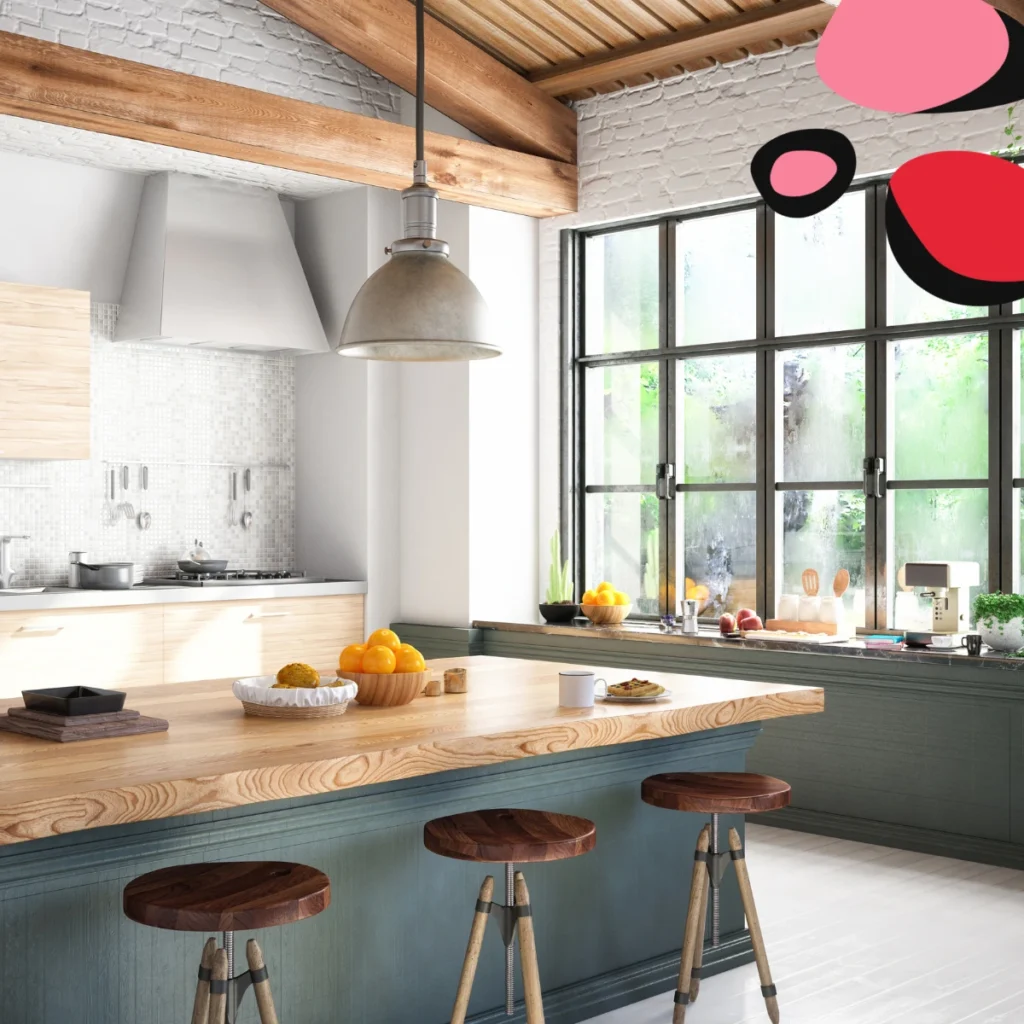
Choosing the right colour scheme might seem like it would be the fun part (and it can be), but get it wrong and you risk a kitchen that feels disjointed or dated in no time. Using too many bold, clashing colours can overwhelm the space, while a flat monochrome design may feel sterile without the right accents. Green kitchens, for example, are an increasingly popular choice thanks to their calming and natural aesthetic. But not all greens are equal, and choosing the wrong shade could clash with your worktops or flooring, but the right shade can really lift the room and make it feel much calmer without it being an overwhelming colour. Meanwhile, if you want to play it safe, you could always choose neutral but interesting tones that add colour without overpowering the room, although many would say certain shades of green could also be seen as neutral.
Ignoring the Flow of the Kitchen Layout
A beautiful kitchen means nothing if it doesn’t work as an actual kitchen. The most common layout mistake is ignoring the kitchen work triangle—the relationship between the sink, cooker, and fridge. If these aren’t positioned logically, everyday tasks become frustrating. Don’t overcrowd your space with oversized islands, unnecessary appliances, or furniture that blocks natural flow. Whether you have a galley kitchen or an open-plan space, the layout should always prioritise convenience and ease of movement.
Overlooking Storage Solutions
Storage is often an afterthought, but without it, clutter quickly takes over. Avoid filling awkward spaces with ill-fitting cupboards. Instead, invest in smart solutions like pull-out shelves, deep drawers with dividers, and overhead cabinets that maximise every inch. Practical storage will keep your kitchen functional and free of mess.
Underestimating the Importance of Lighting
Lighting can make or break a kitchen. Relying on a single ceiling fixture often leaves workspaces in shadow. Layer your lighting: task lighting under cabinets, ambient lighting for mood, and accent lighting to highlight design features. Good lighting enhances both the practicality and the atmosphere of the space.
Choosing Trendy Materials Without Considering Longevity
It’s always tempting to follow the latest quirky design trends, particularly if you’re naturally artistic, but materials need to stand the test of time. Certain countertops and finishes might look great now but could wear down quickly or become difficult to maintain. Durable materials that balance style with long-term practicality are always a safe bet.
Forgetting the Basics
Finally, always remember that a kitchen needs to work for your lifestyle first and foremost. High-maintenance surfaces may look sleek but can be impractical if you’re busy or have a family, so only choose finishes that are easy to clean and materials that can withstand daily use. Designing a kitchen is all about considering the realities of daily use. That doesn’t mean it has to be boring though. Feel free to be creative but never lose track of the primary goal.