

The Ultimate Guide to Best Toddler Harness 2025: Are They a Good Idea and Which Ones Are the Best on the Market?
If you’ve ever had your small child bolt across a car park or disappear behind a crowd in a busy shopping centre, then you’ve likely thought about a toddler harness and which is the best toddler harness for you? For many parents, especially those navigating life with multiple young children or managing solo parenting days, these little lifesavers offer peace of mind when it’s needed most. I found my mum and dad also found them comforting as they weren’t as quick on their feet as my toddler, and it helped give them peace of mind on days out without the pushchair.
In this guide, we’ll take a real-world look at the best toddler harness on the market, the pros and cons of using them, and when they might be the best way to keep your little one safe—especially in crowded places like airports, festivals, or even just the school run.
Table of Contents
What Is a Toddler Harness, Really?
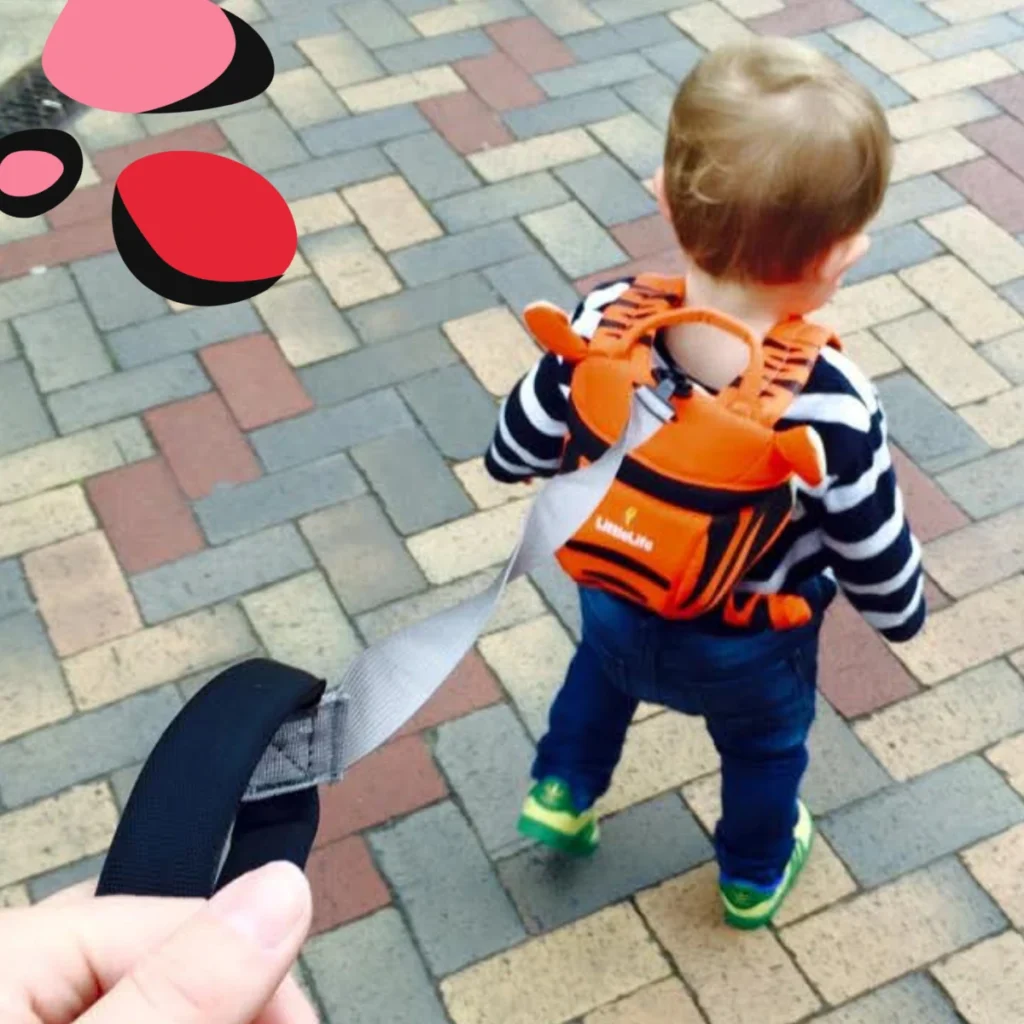
A toddler harness is a safety tool designed to give parents more control over their young children in public spaces. They often come in the form of a backpack harness (with an adorable toddler backpack and a parent-held leash), a simple harness with a wrist strap, or a full-body harness for more active or adventurous little ones.
Though some people still call them baby leashes or kid leashes—which sounds a bit harsh—the idea is the same: child safety.
Are Toddler Harnesses a Good Idea?
Like many parenting decisions, whether a toddler harness is a good idea depends on your child, your parenting style, and your environment. Here are some pros and cons to weigh up:
Pros:
- Peace of mind in crowded areas: Busy events, airports, train stations, or even city streets can be overwhelming. A toddler harness ensures your child is close the entire time.
- Great for kids with extra energy: Some children don’t enjoy being confined in a buggy or a booster seat. A harness lets them explore while still staying safe.
- Helpful for neurodiverse children or younger kids with sensory issues: For families navigating additional challenges, a safety harness can provide reassurance for both parent and child.
- Freedom with boundaries: Your child can walk and explore without the risk of running off.
From personal experience, I’ve always used a harness with Kimi when he was younger, and now Eliza has reached that stage where she wants to walk independently—but doesn’t yet understand how to stay close in busy crowds. A toddler harness gives her that bit of independence while giving me the peace of mind that she’s not going to dart off while I’m paying at the till or navigating through a festival. It’s honestly one of the best ways to enjoy family days without constant anxiety.
Cons:
- Judgement from the general public: Yes, you may get the odd side-eye from people comparing it to a service dog leash. However, ultimately, your child’s safety takes precedence over strangers’ opinions.
- Doesn’t replace other safety gear: It’s a tool—not a substitute for seat belts, rear-facing seats, or in-one car seats.
- Can create dependency: Some older children might resist walking independently if they’re used to being on a leash.
The American Academy of Paediatrics doesn’t specifically promote or oppose toddler harnesses. Still, it does recommend supervising children closely and using safety tools like these in the right circumstances and environments.
UK Safety Laws and Standards for Toddler Harnesses
In the UK, toddler harnesses must comply with recognised safety standards to ensure they are safe for everyday use:
- BS EN 13210-1:2020: This standard outlines the minimum safety requirements for strap and/or fabric assemblies used to restrain children from birth to 48 months.
- BS EN 13210-2:2020: This covers children’s harnesses that incorporate backpacks or reins, providing additional safety checks for multi-use toddler gear.
These standards ensure the product includes the following:
- Mechanical durability (no weak points or breakable clips)
- Non-toxic, hypoallergenic materials
- No detachable small parts that pose a choking hazard
- Reinforced stitching
- Clear usage labels and instructions
It’s also worth noting that Rule 7 of the UK Highway Code advises parents to keep young children close and recommends safety harnesses or reins for walking children in busy or roadside areas.
When choosing a harness, always check for visible compliance with these standards, especially BS EN 13210, which gives extra peace of mind.
What to Look for in a Toddler Harness
Not all safety harnesses are created equal. When choosing the best toddler harness for your family, keep the following in mind:
- Adjustable straps: These help the harness grow with your child, ensuring a snug and comfortable fit.
- High-quality materials: Look out ffor fabrics that breathe, strong buckles, and reinforced stitching.
- Weight limit and fit: Always check the product’s weight requirements and make sure it suits your toddler.
- Ease of use: If it’s fiddly to get on, you won’t use it. Simple harness designs win.
- Style: Let’s be honest—if it has a dinosaur tail or unicorn horn, your toddler is 10 times more likely to wear it without fuss.
The Best Toddler Harnesses on the Market Right Now
Here are our top picks that combine function, fun, and parent-approved safety:
1. Edelrid Fraggle Full Body Harness
Perfect for adventurous toddlers the Edelrid Fraggle Full Body Harness, especially for indoor climbing or hiking family days. It’s a proper full-body harness designed with young children in mind. Not your average wrist strap—this is serious gear.
- Weight limit: Up to 88 lbs
- Best for: Small kids who are extra active or love the outdoors
- Pros: Incredible safety features, robust materials, and great fit
- Cons: Overkill for everyday errands or trips to the shops
2. Mommy’s Helper Safety Harness + Backpack
This adorable toddler backpack doubles as a safety harness with a detachable lead. It’s got enough space for a snack and a soft toy, and it comes in super cute designs.
- Weight limit: Up to 50 lbs
- Best for: Day trips, holidays, and daily use
- Pros: Lightweight, simple harness, toddler-approved
- Cons: Not much support if your child suddenly jumps or runs
3. Yodo Kids Insulated Toddler Backpack with Harness
Ideal for preschoolers and younger kids. It’s a mini backpack with adjustable straps, room for snacks or a small water bottle, and a hidden safety leash.
- Best for: Nursery runs, soft play, zoo days
- Pros: Multi-use, stylish, kid-friendly designs
- Cons: May be too small for year-olds with lots to carry
4. Skip Hop Zoo, Safety Harness
Very popular on TikTok – make sure to check the latest parenting hacks. This one’s bright, fun, and functional.
- Best for: Stylish mums and dads on the go
- Pros: Eye-catching design, decent storage, peace of mind in public spaces
- Cons: Better for shorter outings than long family days
5. LittleLife Toddler Butterfly Backpack Harness
This LittleLife favourite is a winner with younger kids and toddlers thanks to its butterfly wings, fun colours, and compact size. It features a detachable leash, adjustable straps, and high-quality materials that withstand daily wear. Comes in lots of differernt options and our go to, Kimi had the toger and Eliza the butterfly. Which is why for us its our best toddler harness pick.
- Weight limit: Typically up to 40 lbs
- Best for: Family days out, parks, shopping trips
- Pros: Super cute design, great for toddlers who want some independence, comfortable fit
- Cons: Small capacity – not ideal for carrying extras beyond essentials
Real Mum Tips: When a Harness Has Saved the Day
“Last month, we were at a local fairground, and my three-year-old just darted into the crowd. He’s fast. Like, Olympic fast. I had the wrist strap on, and honestly—it was the only reason I caught him. No regrets.” – Katie, mum of two.
“We’ve got twins, and harnesses are non-negotiable. One’s a runner; the other lies down when she’s tired. This way, at least I know where they are!” – Tanya, mum of twins, aged four.
FAQs: Toddler Harnesses
Are toddler harnesses legal in the UK?
Yes, toddler harnesses are legal and even recommended in specific settings. Products sold in the UK must meet BS EN 13210 safety standards.
What age is appropriate for a toddler harness?
Most are suitable for children aged 1 to 4 years, but always check the product’s weight limit and manufacturer guidelines.
What’s the difference between a child leash and toddler reins?
Toddler reins (standard in the UK) are typically fabric straps or backpack-style harnesses used to gently guide children as they learn to walk. Child leashes (more common in the US) often refer to stronger harness systems or wrist tethers and are generally designed for busier, higher-risk environments. Both serve the same purpose: keeping your child close and safe.
Can toddler harnesses be used on planes?
Yes, they are helpful in airports and while boarding, but they must be removed during takeoff and landing.
Are wrist straps better than backpack harnesses?
Wrist straps are less bulky and suitable for quick errands, but backpack harnesses often offer more comfort and control.
Do they work for children with additional needs?
Yes, many parents of neurodivergent children find harnesses especially helpful for safety in crowded spaces.
#Best toddler harness