
Dental Burs Explained: Types, Uses, and How to Choose the Right One
Are you a busy practice manager looking to make sure that your clinic is always equipped and ready to go? Maybe you’re an inquisitive patient who likes to know the finer points of what your local dentist does? You’ve certainly come to the right place because we’re going to guide you through everything there is to know about the fascinating world of dental burs.
Table of Contents
Let’s get started and dive into the details!
What are dental burs?
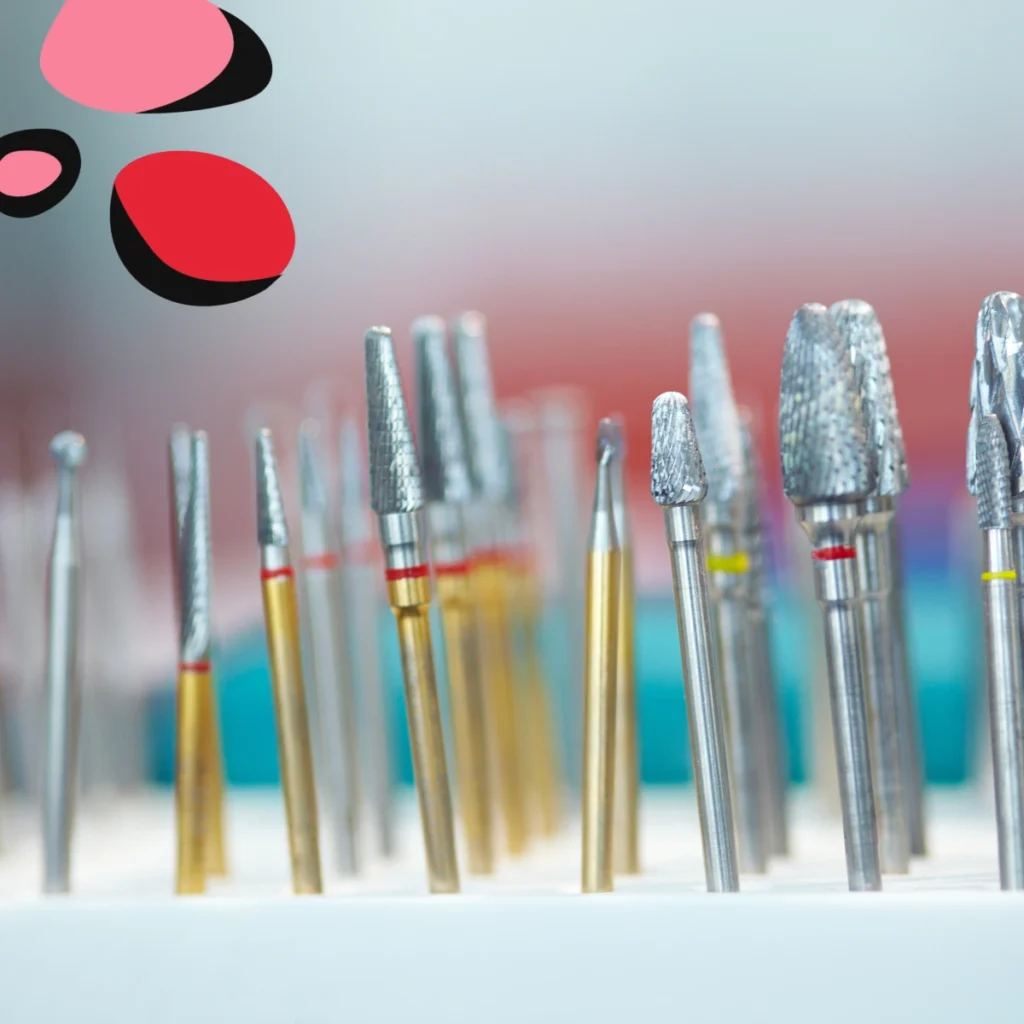
A dental bur is a small cutting instrument that has a rotary design and can be used in a variety of different ways. Dentists typically use them for preparing cavities, shaping teeth, and adding the finishing touches to restorations. The world of dental burs is a fascinating one with a wide array of different sizes and shapes, as well as materials, used to take care of highly specialised tasks.
Taking a look at the most commonly used types helps patients understand their individual treatment pathway and allows practice managers to get up to speed with what their dental care professionals need.
Round burs
A round bur is most commonly used to remove decaying tooth structures and to create delicate undercuts. For this reason, they have to be made with a high-precision manufacturing process to make sure they can be used in close proximity to soft tissue. A dentist will have their preferred size and curvature of round bur depending on the specific mouth geometry they are working with.
Inverted cone burs
Another tool for creating highly precise undercuts, but one that excels when removing damaged or decaying tooth structures from hard-to-reach areas. The subtle shape is designed to make sure that the dentist can get to work without having to compromise their technique or adapt an existing tool to a situation that it is not ideally suited to.
Pear burs
A pear-shaped instrument that is used to shape cavities with precision and accuracy in cases where the mouth geometry makes the use of a standard round bur problematic. Pear burs are popular in cases where a higher-than-typical density of misaligned teeth complicates the procedure.
Flame burs
When working on an occlusal surface or refining margins, a dentist will often reach for their favoured flame bur size. This versatile class of instrument is also an ideal way to create precise bevels as part of procedures that require them.
Finishing burs
Dentists will finish most procedures by reaching for their preferred size of finishing bur because of the high degree of precision it offers. Multiple blades allow for fine-detail finishing and polishing, especially in the case where restorations need to have an uncompromising approach to aesthetics.
Cylindrical burs
When a dentist needs to create a flat surface that will later be used for precision bonding, they typically use a cylindrical bur. This versatile instrument can also be used for smoothing out aesthetic restorations as well as refining the finer structural details of cavity walls. Dentists will typically request a range of different cylindrical sizes so that they have options that allow them to adapt to the needs of each individual patient.
Diamond-tipped burs
The inclusion of high-density diamond particles at the end of the instrument gives it the ability to cut through enamel and highly durable dentin with precision. Dentists also use diamond burs when they are shaping restorations because of the enhanced ability of the bur to remove material. Because they are having to apply the absolute minimum of pressure, the dentist can then focus solely on their technique and the precision of their work.
Final thoughts
Practice managers who want to have a wide selection of burs dental professionals can use to focus on the task at hand have a choice to make. Choosing to connect with a niche local supplier may sound like a good idea at the time, especially if you get sold on the idea that they will provide a highly personal service.
The problem is that many of these businesses will lack the scale and supply chain to get the job done during times of higher demand. Switching to an established national supplier with nationwide reach is the smart move to make here. If you’re looking to make sure that your clinic is always ready to go, your dental professionals will thank you for making the switch.
Now that you know what they are for and how to get hold of them, it’s over to you to do what you do best!