

The Psychology of Dressing: How Clothes Change the Way You’re Seen
Table of Contents
Ever wondered why you feel more confident in your favourite trouser suit or why you always wear the same slinky dress for a first date? The truth is, what we wear doesn’t just cover our bodies – it shapes how others perceive us and, perhaps more surprisingly, how we see ourselves.
First Impressions Matter More Than We’d Like
Within seconds of meeting someone new, our brains are already making snap judgements based largely on appearance. Research shows that people form impressions about competence, trustworthiness, and social status almost instantly, and clothing plays a massive role in this process.
A well-tailored suit might signal professionalism and attention to detail, whilst a pair of faded jeans could suggest approachability and creativity. These assumptions aren’t always accurate, but they’re remarkably consistent across different cultures and contexts. Whether we’re popping to the shops or heading into an important meeting, our outfit is silently communicating before we’ve even opened our mouths.
The Power of Enclothed Cognition
Here’s where things get really interesting, as clothes don’t just change how others see us ; they actually alter how we think and behave. Psychologists call this “enclothed cognition,” and the evidence is pretty compelling.
Studies have found that people wearing lab coats performed better on attention-related tasks, whilst those dressed more formally showed improved abstract thinking. It’s as if our clothes act as external cues that trigger certain mental states and behaviours. Put on a tailored shirt for a presentation, and you might find yourself standing taller and speaking more confidently, and not just because others perceive you differently, but because the clothing itself influences your mindset and makes you feel more confident in a room full of colleagues and clients.
Colour Psychology in Fashion
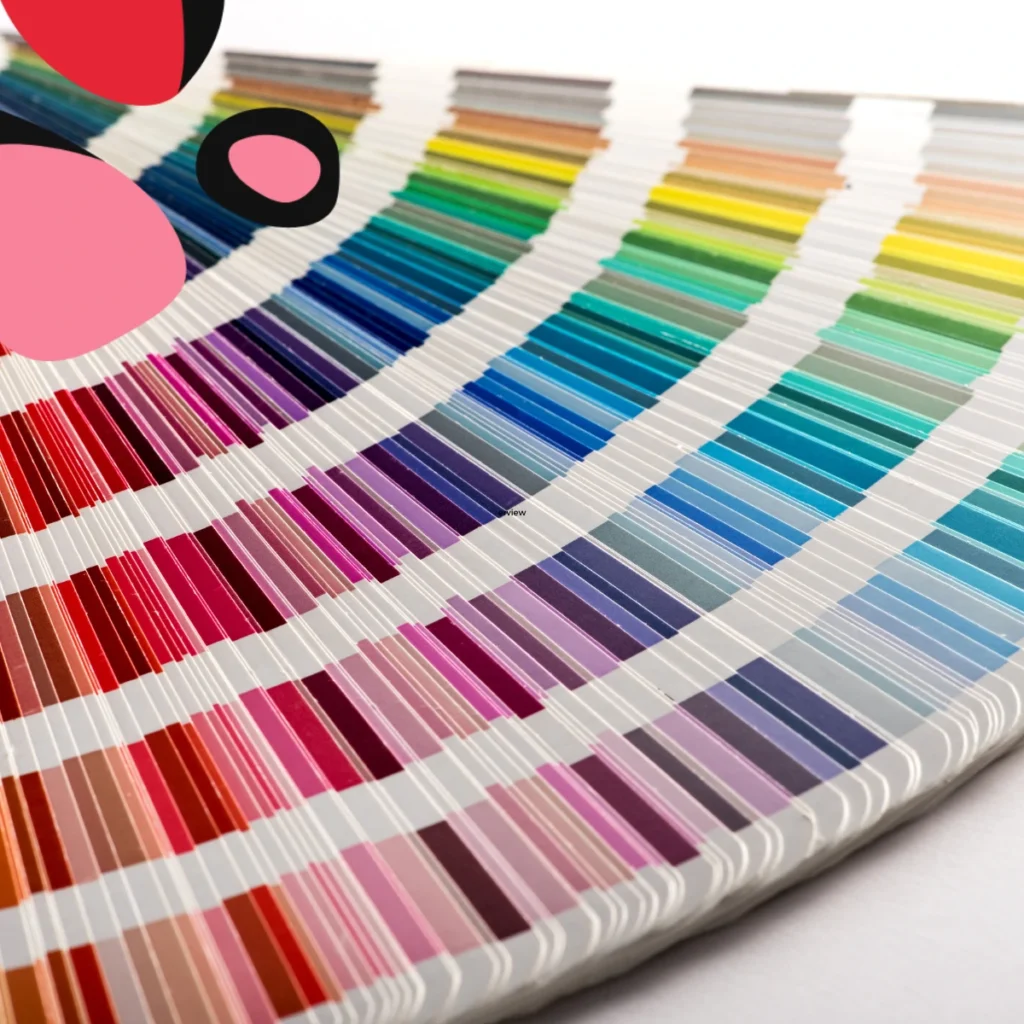
The colours we choose carry their own psychological weight.
- Navy blue often conveys trust and stability (think business suits).
- Red can signal power and passion (think third date dress).
- Black suggests sophistication and authority, which is why it has remained a wardrobe staple for decades, especially in a business environment.
Interestingly, these colour associations aren’t just cultural quirks, as some appear to have deeper psychological roots. Wearing darker colours can make us feel more serious and focused, whilst brighter hues might boost our mood and energy levels. It’s no coincidence that many people reach for vibrant colours when they want to feel more optimistic, like on a date!
The Social Uniform Effect
We also use clothing as a form of social signalling, showing which groups we belong to or aspire to join. Think about how different you dress for a music festival versus a corporate event – you’re essentially putting on different social uniforms that help you fit in and communicate your identity.
This extends beyond obvious examples like professional dress codes. The teenager choosing ripped jeans and band t-shirts is making just as deliberate a statement as the executive choosing from their collection of men’s designer shirts. Both are using clothing to signal their values, interests, and social allegiances.
Dressing for Success
Understanding the psychology of dressing gives us a powerful tool for personal and professional development. When we pick our clothes more intentionally, we can influence not only how others perceive us but also how we feel and perform.
The key is finding the sweet spot between authenticity and appropriateness. You want clothes that feel genuinely “you” whilst also serving your goals in different situations. Confidence is the best accessory, and it’s much easier to feel confident when your outside matches your inside.