
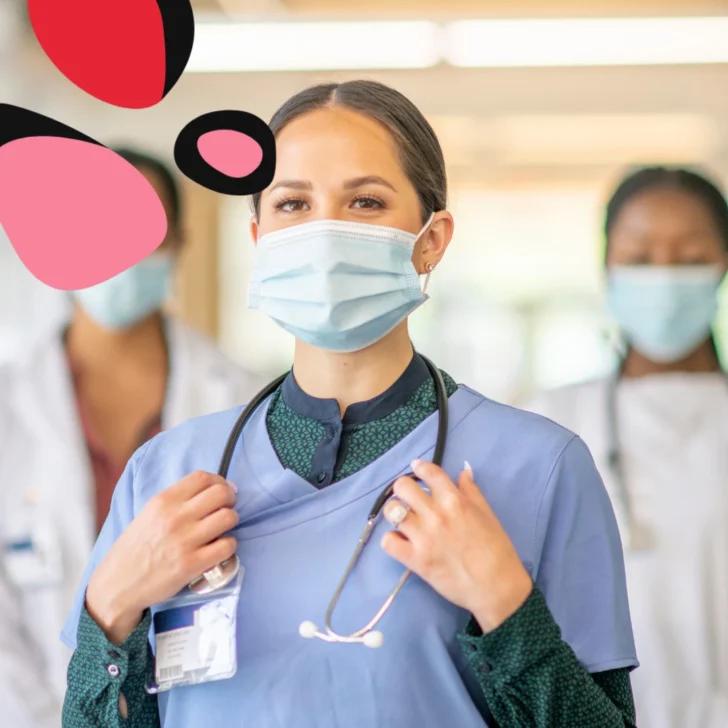
A Fresh Perspective on Women’s Health Careers
Table of Contents
Ask a kid what they want to be when they grow up and you rarely hear “labor and delivery nurse” or “reproductive endocrinologist.” Yet somehow, thousands of people end up building careers in women’s health, and most of them will tell you it happened almost by accident. A single shadowing day. A professor who wouldn’t stop talking about the placenta. A random shift that turned into a calling nobody saw coming. Women’s health careers don’t usually follow a straight line, and honestly, that’s part of the charm.
Take someone who decides to work for an OBGYN straight out of nursing school. They picture appointments and checkups, maybe some paperwork sprinkled in between. Then week one hits, and suddenly they’re learning that babies do not care about anyone’s lunch break, ever. The job turns out to be part science, part detective work, and part emotional support human, often all before 9am. It’s intense. It’s also strangely addictive once someone gets a taste of it, in the same way people get hooked on spicy food despite the tears.
The Field Is Bigger Than the Stereotype
Most people hear “women’s health” and picture a doctor’s office with soft lighting and a poster about folic acid. That picture is accurate, sure, but it’s only a tiny slice of a much bigger world. This field includes genetic counselors, pelvic floor therapists, and researchers chasing better treatments for conditions that used to get brushed off for decades. It includes midwives who show up at 3am without complaint and lactation consultants who somehow stay endlessly patient with a screaming newborn and an exhausted parent.
The variety here is honestly wild. Someone could spend a career doing ultrasounds, while someone else spends theirs studying hormone data or running a fertility clinic. Both paths count as women’s health. Both matter just as much, even though they look nothing alike on paper.
Why More People Are Paying Attention Now
For a long time, women’s health sat quietly in the background of the medical world, chronically underfunded and often overlooked in research. That’s finally shifting, and not a moment too soon. Conditions like endometriosis and PCOS are getting real research dollars instead of a dismissive shrug and a pamphlet. New treatments are emerging. New specialties are forming around gaps that used to get ignored completely.
This shift creates real opportunity for anyone curious about the field. Programs are expanding. Funding is growing. Job openings keep appearing in places that barely existed ten years ago. Anyone entering now isn’t just filling a seat. They’re stepping into a field that is actively rewriting its own rulebook in real time.
What Makes This Career Path Different
Careers in women’s health tend to attract people who genuinely like connecting with others, not just clocking hours. The work involves real trust. Patients are often nervous, sometimes scared, occasionally mortified about a question they’ve been holding onto for months. Handling that with warmth and a steady sense of humor makes an enormous difference, and honestly, humor might be the most underrated skill in the entire field.
It’s also a career path that rewards curiosity. Science keeps evolving here, sometimes quickly. Staying sharp means staying a lifelong student, whether that means new research, new equipment, or a completely new way of thinking about care.
A Field Worth a Second Look
Women’s health careers rarely show up on childhood dream lists, but they deserve a fresh look from anyone weighing their options. The work is demanding, occasionally chaotic, and undeniably meaningful. For the right person, that combination isn’t a downside. It’s exactly the point.