
Written by Dr Sophie Nelson
Dr Sophie is a GP with an interest in women’s health. She’s based outside of Manchester.
Further information: For more information about period pain, visit Feminax’s guide to period pain.

Table of Contents
Periods after pregnancy – why does nobody warn you they might be different?
You’ve been through pregnancy, birth and everything that comes with becoming a mum. Then your periods return, and suddenly things don’t feel quite like they used to!
From changes in cramping to period pain that catches you off guard, your cycle can feel very different after having a baby.
But what’s normal, what can help, and when should you get things checked out?
Dr Sophie is a GP from Manchester and shares some practical advice on managing period pain after pregnancy, including what to consider if you’re breastfeeding and when it’s time to speak to a healthcare professional.
Because when it comes to our bodies after babies, there are still far too many things we’re simply expected to figure out for ourselves.
Medical Disclaimer: The information shared in this article is for general information and awareness only and should not be considered medical advice. Every woman’s experience is different. If you feel unwell, are concerned about your symptoms or experience unusual or severe pain, please seek advice from your GP or another qualified healthcare professional.
1. You cannot have a true period during pregnancy
A period happens when the lining of the womb sheds. During pregnancy, that lining is maintained to support the developing baby, so any bleeding you experience has a different cause.
2. Light bleeding can be mistaken for a period
Some women experience spotting or light bleeding in early pregnancy, sometimes around the time their period would normally be due. If pregnancy is possible, take a pregnancy test rather than assuming bleeding means you aren’t pregnant.
3. Bleeding during pregnancy should always be checked
Bleeding doesn’t necessarily mean something is wrong, but it’s important to seek medical advice. Contact your maternity unit, GP or NHS 111, even if it’s only spotting. Call 999 if bleeding is heavy or accompanied by severe tummy pain, shoulder pain, dizziness or fainting.
4. Bleeding straight after birth isn’t a period
Post-birth bleeding, known as lochia, happens as your womb recovers. It can last several weeks and should gradually become lighter. If it becomes suddenly very heavy, or you feel unwell, seek urgent medical advice.
5. Your period pain may feel different after pregnancy
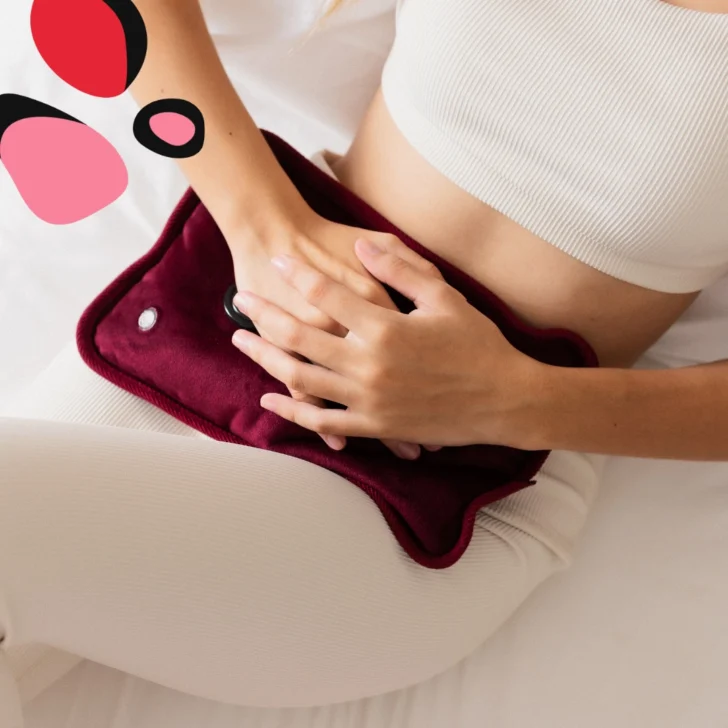
When your periods return after birth, they may feel different from before, including changes in cramping. A warm bath or a heat pad wrapped in a towel may help ease period pain. Speak to a pharmacist about suitable pain relief, particularly if you’re breastfeeding and seek medical advice if pain is severe or affects your daily life.