
Table of Contents
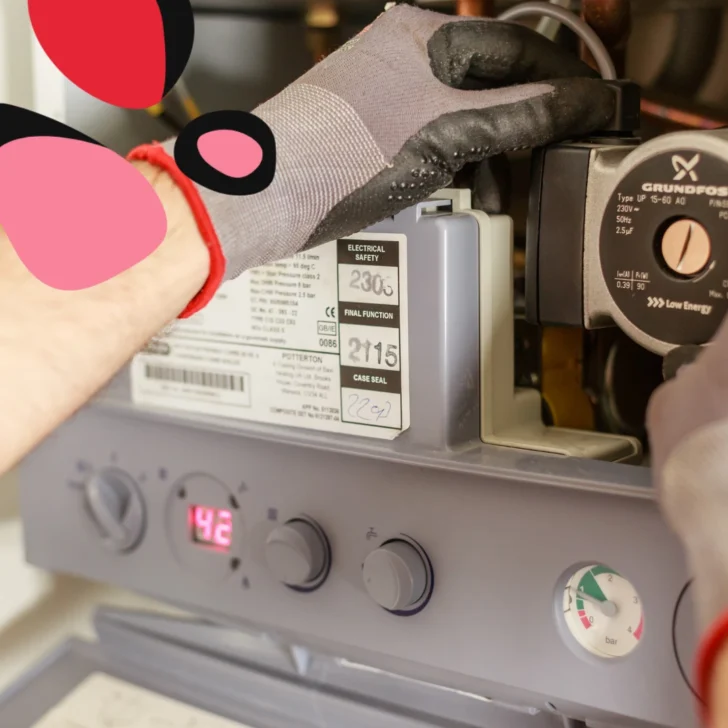
It is easy to overlook a heating system until something goes wrong. Many commercial buildings across the UK still rely on ageing boilers with outdated controls that have been in operation for years.
While these systems might continue to run well, they can gradually create financial pressures that do not always appear on maintenance budgets. If you own or manage commercial property, understanding the wider impact of an ageing heating system can help you make more informed decisions about future investment.
Rising energy bills and declining efficiency
Older commercial boilers waste significant amounts of fuel because of everyday wear and tear. This takes a toll over time.
Degraded components force your system to work much harder to warm your premises. These ageing setups also lack the modern materials and intelligent building management system (BMS) integrations, meaning they run at full capacity even during mild autumn or spring days.
With UK business energy tariffs remaining volatile, this thermal inefficiency translates directly into inflated quarterly utility bills that affect your spending.
The growing cost of reactive repairs and downtime
When you rely on ageing infrastructure, you have to plan for system failures. Components inevitably break during peak winter periods when heating systems are in full operation – and when they’re needed most – forcing you to pay premium emergency call-out rates to commercial gas engineers.
As well as the invoice for parts, system downtime disrupts your tenants’ daily operations. Cold offices lead to staff discomfort, and this creates a reduction in productivity. You could find that your tenants lodge grievances with you.
In severe cases, prolonged heating failures can drive occupants to choose not to renew their leases.
Compliance risks and future regulatory pressures
The UK government enforces strict energy performance standards as part of the legal commitment to achieve net-zero carbon emissions by 2050. This is across all commercial and non-commercial properties in the country.
Your commercial heating choices directly dictate your property’s Energy Performance Certificate (EPC) rating. Current regulations penalise inefficient buildings, and future frameworks aim to restrict the leasing of properties that fall below strict efficiency thresholds. By investing in a new boiler, you can keep your premises compliant.
The impact on property value
As all businesses have a part to play in reaching net zero, everything from startups to large-scale organisations actively seek out spaces that match up with their corporate social responsibility targets. They also look for properties that lower their operational overheads to make it a worthwhile base for their operations.
Modernising your heating infrastructure means you enhance the marketability of your commercial space. Additionally, installing low-carbon technologies or high-efficiency condensing systems lowers tenant service charges, meaning you can command a rental premium and future-proof the capital value of the premises.