

The Magic of Toddler Pretend Play: Why It’s Crucial and How to Support It
Table of Contents
As a parent, you’ve likely observed your toddler engaging in pretend play, whether stirring an empty pot, conversing on a toy phone, or tucking in their favourite stuffed animal. These seemingly simple actions are the building blocks of a crucial developmental stage known as pretend play. But why is this type of play so important? And how can you, as a parent, nurture your child’s imagination in the best possible way?
In this article, we’ll delve into the magic of toddler pretend play, its developmental benefits, and, most importantly, practical ways to support it. We’ll also guide you in selecting the best toys to spark creativity at this stage. Let’s get started!
Read our best pretend play toys for toddlers on the market now.
Pretend Play for Preschoolers article
Overview of Toddler Pretend Play Development
At the toddler stage (ages 2-3), pretend play is just beginning to blossom. This is the age when children start to imitate the actions they see in everyday life, such as cooking, talking on the phone, or taking care of a doll. This type of play, also known as symbolic play, allows toddlers to explore and understand the world around them by recreating real-life scenarios in a safe and controlled way.
Key Milestones in Toddler Pretend Play:
- Imitation: Toddlers mimic the actions of adults, such as pretending to cook or talking on the phone.
- Role Play: As their play becomes more complex, toddlers begin to take on roles, like being the “parent” to a doll or “driving” a toy car.
- Simple Narratives: Toddlers create basic storylines, such as feeding a doll and putting it to bed or pretending to shop and cook a meal.
Pretend play is closely linked to your child’s cognitive, language, and social development at this stage. Through the power of imagination, your child is learning to think abstractly, develop problem-solving skills, and practice communication.
How to Encourage Pretend Play at the Toddler Stage
As a parent, you play a crucial role in fostering your toddler’s imaginative play. Here are some practical ways to encourage pretend play at this stage:
Provide Open-Ended Toys
Open-ended toys are those that can be used in a variety of ways, allowing your child to use their imagination freely. Simple toys like blocks, dolls, and play kitchens are perfect for this. These toys can be transformed into anything your child imagines—a block can become a car, a house, or a spaceship.
Create a Play-Friendly Environment
Designate a space in your home where your child can play pretend without restrictions. Keep it stocked with props that inspire creativity, such as play food, dress-up clothes, and simple household items like old phones, empty boxes, and scarves. Rotate these items periodically to keep the play environment fresh and exciting.
Join in the Fun
Sometimes, your involvement can help spark your child’s imagination. Get down on the floor and join in their play. For example, if they’re playing with a toy kitchen, pretend to be a customer ordering a meal. Or if they’re playing with dolls, ask them questions about what the dolls are doing or how they feel. Your engagement encourages your child and helps them develop language and social skills.
Encourage Independent Play
While playing with your child is essential, encouraging independent play is equally crucial. Giving your toddler time and space to explore their imagination on their own fosters creativity and independence, reassuring you that you’re helping them develop their own scenarios and problem-solving skills.
Best Toys for Toddler Pretend Play
Choosing suitable toys can significantly impact your child’s pretend play experience. Here are some of the best toys to inspire creativity in toddlers:
Toy Kitchens and Food Sets
Toy kitchens and pretend food sets are classic choices for toddler pretend play. They allow your child to imitate everyday activities like cooking, serving, and cleaning up. Look for sets with realistic features, such as utensils, pots, and food items that can be “prepared” and “served.”
We bought this and its great and even has sounds for the tap a working ice dispenser and bubbling pans and light up fire. We got on sale at Argos so keep your eyes open for deals. Chad Valley Wooden Kitchen with Breakfast Bar – Pink £130

Dolls and Stuffed Animals
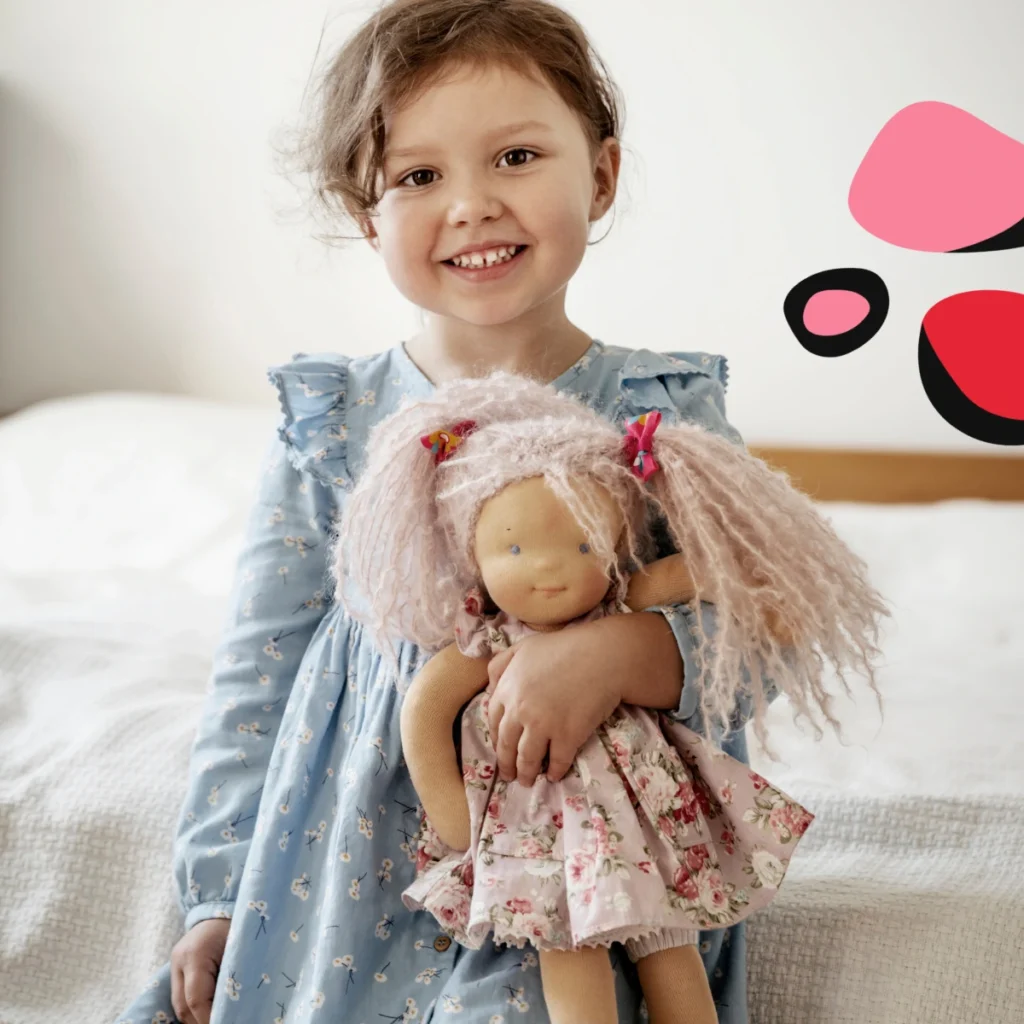
Dolls and stuffed animals are perfect for role-playing. Your toddler can be a caregiver, feeding, dressing, and comforting their “baby.” Dolls with accessories like bottles, clothes, and beds can add even more layers to their pretend play.
Dress-Up Clothes
Dress-up clothes are a fun and effective way to encourage imaginative play. Simple costumes like hats, scarves, or animal ears can transform your toddler into anything from a superhero to a doctor to a lion. Look for easy dress-up items for little hands to put on and take off.
Playhouses and Forts
A playhouse or fort can become anything your child imagines—a home, a shop, a castle, or a spaceship. These play spaces provide the perfect setting for role-playing and storytelling, allowing your child to create their little world.
Puppets and Puppet Theaters
Puppets are excellent for encouraging storytelling and role-play. Your child can create characters, act out stories, and even perform shows for the family. A simple puppet theatre or even a cardboard box can set the stage for hours of creative fun.
Why Pretend Play is Crucial for Toddlers
Pretend play isn’t just about having fun—it’s a critical part of your child’s development. Here’s why:
Cognitive Development
Pretend play helps toddlers develop critical thinking and problem-solving skills. When they engage in imaginative play, they learn to think abstractly and plan their actions. For example, pretending to cook a meal involves sequencing tasks (first, gather the ingredients; then, prepare the food; finally, serve it).
Language Development
Through pretend play, toddlers practice new words and phrases. Whether talking to imaginary friends, giving instructions to a stuffed animal, or pretending to take orders in a restaurant, they expand their vocabulary and improve their communication skills.
Social and Emotional Development
Pretend play allows toddlers to explore different roles and scenarios, helping them understand various social dynamics. They learn to see the world from different perspectives and develop empathy as they take on different roles (e.g., caring for a baby doll). It also provides a safe space for them to process emotions and experiences they encounter in real life.
Creativity and Imagination
Imaginative play nurtures creativity by allowing children to invent new worlds, characters, and scenarios. This creative thinking will benefit them throughout their lives, helping them approach problems innovatively and think outside the box.
Tips for Fostering Imaginative Play at Home
Now that you understand the importance of pretend play, here are some additional tips to help foster your toddler’s imagination at home:
Limit Screen Time
While educational apps and TV shows can have their place, too much screen time can stifle creativity. Make sure your toddler has plenty of opportunities for unstructured play that allows them to use their imagination. Balance screen time with hands-on play and outdoor exploration. But don’t beat yourself up over this, its tough and sometimes switching on that TV or tablet gives you the time you need,
Encourage Outdoor Play
Take pretend play outside! Whether building a fort in the garden, creating a pretend shop with natural materials like stones and leaves, or simply playing make-believe games in the park, the outdoors offers endless possibilities for imaginative play.
Provide Real-Life Experiences
Give your toddler opportunities to experience new things they can later incorporate into pretend play. A trip to the grocery store, a visit to the doctor, or even helping with household chores can inspire new scenarios for them to act out during playtime.
Create Play Themes
Set up themed play areas in your home that encourage specific types of pretend play. For example, you can create a “doctor’s office” with a toy medical kit, a “restaurant” with play food and menus, or a “construction site” with building blocks and hard hats. Rotate these themes to keep your child’s playtime fresh and exciting.
Encourage Group Play
Please arrange playdates with other children. Group pretend play helps toddlers learn important social skills like cooperation, negotiation, and turn-taking. It also allows them to build more complex storylines and scenarios as they collaborate with their peers.
Conclusion
Pretend play is a magical and essential part of your toddler’s development. Understanding and actively encouraging its importance can help your child develop critical cognitive, language, social, and emotional skills. From providing the right toys to creating play-friendly environments, there are many ways to nurture your toddler’s imagination and creativity.
Remember, letting your child lead the way is the most important thing. Encourage their creativity, provide opportunities for imaginative play, and watch as they explore the world through the lens of make-believe.
Looking for the perfect toys to inspire your toddler’s imagination? Check out our curated selection of pretend play toys to keep your child engaged and excited about learning through play!