


By Abbie Coleman – MMB Magazine Editor
As a mum of two and an advocate for child development, I believe in the power of learning through play. With a passion for nurturing young minds, I empower parents with practical tips and insights to support their children’s growth and independence.
Unleashing the Potential: The Montessori Climbing Toys for Growing Minds
As parents, we understand the profound impact of providing enriching environments for our children’s development. In a previous post, we explored the wonders of the Montessori Arch or Montessori climbing triangle, Montessori Couch as climbing furniture along with the Montessori Philosophy and Montessori method. These were such a success, and we received so many comments and questions over the recent popularity of our climber Montessori arch article and couch, we have written this article to cover all the various Montessori climbing sets available.
A Montessori climbing set is more than a mere plaything; it’s a gateway to physical and cognitive growth, thoughtfully designed to cater to various ages and stages of childhood in a fun environment. In this comprehensive guide, we will traverse through the different types of Montessori climbers, delve into their significance for a child’s holistic development, uncover the diverse benefits they offer, offer guidance for selecting the perfect one, emphasise crucial safety considerations, share real-life testimonials from MMB Magazine readers, and seek expert insights. Let’s embark on this exciting journey together!
Table of Contents
What is a Montessori Climber?
A Montessori climber is a versatile, multi-functional piece of furniture meticulously crafted to promote physical activity, enhance gross motor skills, and stimulate cognitive development in children of all ages, especially babies to older toddlers. Fashioned from a range of natural materials, these climbers are engineered to cater to various developmental stages, ensuring they remain engaging and beneficial for every child. Some Montessori climbers are for outdoor use, and some are for indoor use, so make sure to check.
Different Types of Montessori Climbers:
Let’s unravel the world of Montessori climbers and discover the perfect fit for your child for your very own indoor playground of wooden climbing toys to create lots of fun:
3-in-1 Pikler Triangle set: This classic wooden triangle ladder, shaped like a triangle, is an excellent choice. It fosters balance, hand-eye coordination, and gross motor skills for young children in a safe environment for this triangle climber.
Arch Climber: With its wooden climbing arch and rungs, this climber encourages climbing, crawling, and exploration, promoting the physical and cognitive child’s development.
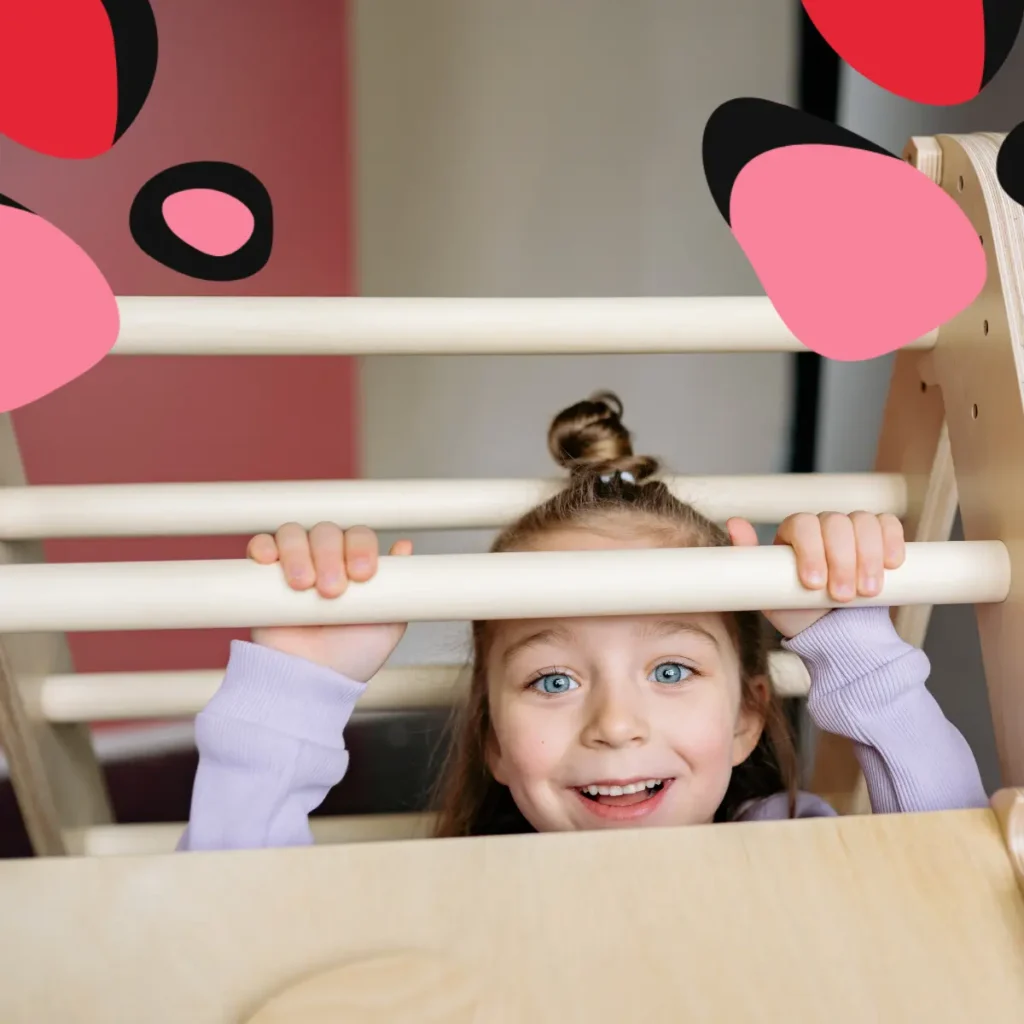
Ramp and Slide Climber: Offering a climbing ramp and slide combo, this climber provides a fun and engaging way for children to develop their climbing and sliding skills.
Cube Climber: A versatile climber featuring a natural wood cube with openings, steps, and platforms in the design of this climbing cube, encouraging imaginative play and various climbing configurations.
Rock Wall Climber: Designed to mimic rock climbing for indoor use with high-quality materials, this climber offers textured grips or holds for children to ascend like little mountaineers.
Tunnel Climber: This climber incorporates a tunnel component, adding an element of exploration and imaginative play to the climbing experience.
Foldable Climber: Ideal for smaller spaces, these climbers are designed to be easily foldable and storable while ensuring practicality and convenience for small spaces.
Multi-Functional Climber: Combining climbing, crawling, sliding, and storage, these versatile climbers offer a range of open-ended play experiences.
Natural Material Climber: Crafted from organic materials like wood, these climbers are not only aesthetically pleasing but also seamlessly blend with home decor.
Adjustable Climber: Customise the climber based on your child’s age, skill level, and preferences by adjusting its height or configuration.
Importance of the Montessori Climber:
These climbers are more than playthings; they’re catalysts for growth!
Physical Development: Climbers facilitate gross and fine motor skill development, providing opportunities for climbing, balancing, crawling, and reaching to build strength and coordination.
Cognitive Growth: Climbing engages a child’s problem-solving abilities, spatial awareness, and decision-making skills, stimulating their brains and fostering curiosity.
Sensory Stimulation: The varied textures and surfaces of a climber engage a child’s senses, contributing to their sensory development and perception of the world around them.
Educational Toys Add On’s For Your Montessori Climber
Enhancing a Montessori climber with additional accessories can open up a world of imaginative play and skill-building opportunities for your little one. Here are some popular items you can consider attaching to a Montessori climber to develop your own Montessori classroom with these as a perfect addition for independent play:
- Slide Board or Balance Board Attachment: If your climber doesn’t come with a slide, consider adding one significant addition. It provides a fun and exciting way for kids to descend from the climber.
- Swing Attachment: Some climbers can attach a swing, providing a dynamic play element and encouraging balance and coordination.
- Rope Ladder: A rope ladder is a good idea as it adds an adventurous climbing challenge and promotes upper body strength and coordination for an active child.
- Rock Holds or Grips: Attachable rock holds can turn a section into a mini rock-climbing wall, offering a unique climbing experience.
- Trapeze Bar or Monkey Bars: A trapeze bar can be a fantastic addition to swinging and hanging, fostering upper body strength and spatial awareness.
- Steering Wheel or Telescope: These imaginative play accessories can turn your climber into a pirate ship, spaceship, or any other adventure vehicle.
- Chalkboard or Whiteboard Panel: Attach a chalkboard or whiteboard for creative expression and learning opportunities.
- Cargo Net: A cargo net provides a challenging climbing surface that promotes strength, coordination, and problem-solving skills.
- Platform Extension: Extend the climbing area with a platform attachment, creating more space for play and exploration.
- Climbing Rope: A rope can be attached for climbing practice and upper body strength development.
- Canopy or Roof: A canopy or roof attachment can provide shade and turn the climber into a cosy, imaginative play space.
- Flag or Banner: Add a flag or banner for personalisation and extra fun during imaginative play.
Remember to ensure that any attachments are compatible with your specific climber, meet safety standards and non-toxic materials, and are high quality. Additionally, always supervise playtime to ensure your child’s safety in using the attachments safely and appropriately.
By incorporating these accessories, you can transform your Montessori climber into a dynamic play space that encourages physical strength, activity, creativity, and skill development, along with balance control. It Offers endless opportunities to provide a rich and engaging environment for your child’s growth and learning.
How To Engage Your Child With Montessori Climbing Toys
Engaging your child with a Montessori climber can be an excellent way to promote physical activity, creativity, and skill development. Here are some ideas to keep your little one excited and engaged with their climber:
Obstacle Course:
Set up a mini obstacle course using the climber and other play equipment. Encourage your child to climb up, crawl under, and slide down, promoting gross motor skills and coordination.
Treasure Hunts:
Hide small toys or objects around the climber for your child to discover while they explore. This adds an element of excitement and can spark imaginative play.
Storytelling Adventures:
Encourage imaginative play by weaving a story around the climber. It could be a mountain to conquer, a castle to defend, or a spaceship to explore.
Balance Games:
Challenge your child to balance on different parts of the climber. You can time them or see how many seconds they can stay balanced. This helps with their balance and coordination.
Simon Says:
Play a version of “Simon Says” where you give commands related to the climber, like “Simon says climb to the top” or “Simon says slide down.”
Role-Playing:
Provide costumes or props and let your child imagine themselves as different characters while on the climber. This can encourage creative play and storytelling.
Alphabet or Number Games:
Attach letters or numbers to different parts of the climber and ask your child to find them in order or spell out words.
Nature Exploration:
Encourage your child to incorporate natural elements like leaves, sticks, or flowers into their play on the climber. This can foster a deeper connection to the outdoors.
Music and Movement:
Play upbeat music and encourage your child to dance, climb, and slide rhythmically. This combines physical activity with sensory stimulation.
Pretend Play Spaces:
Use blankets or sheets to create different spaces around and on the climber. It could become a cosy fort, a secret hideout, or a magical castle.
Colour or Shape Recognition:
Attach different coloured or shaped objects to the climber and ask your child to find specific ones. This adds an educational element to their play.
Scavenger Hunts:
Create a list of items for your child to find on or around the climber. This can be a fun way to encourage exploration and observation skills.
Remember to adapt the activities based on your child’s age and abilities. The goal is to make playtime on the climber engaging, enjoyable, and beneficial for their development.
Benefits for Children Of Montessori Climbing Toys:
Enhanced Confidence and Independence: Conquering a climber boosts a child’s confidence in their abilities with a sense of accomplishment. It also encourages independence in a great way as they learn to navigate and explore on their own.
Improved Balance and Coordination: Regular use of a Montessori climber refines a child’s balance and coordination, skills that are essential for many everyday activities.

Cultivation of Concentration: Climbing requires focus and concentration; helping children develop this crucial skill early on is a perfect gift to our little ones.
Real-life Testimonials from MMB Readers About Indoor Climbers:
Let’s hear from parents who have integrated Montessori climbers into their child’s play area:
“Introducing the Montessori climber has been a game-changer for my little one. She’s gained so much confidence and independence!” – Sarah, working mum of two.
“I was amazed at how quickly my son took to the climber. It’s become his favourite spot to play and explore.” – David, proud dad of a curious toddler.
Choosing the Right Montessori Climber:
Here are a few things to consider:
Age Appropriateness: Select a climber that aligns with your child’s age and developmental stage with physical abilities. Manufacturers often provide recommendations for different age groups and maximum load for use, so ensure the older kids do not use the Montessori climbing toys if they are over the age range or load range, as this can weaken the Montessori climber.
Material and Safety Standards: Ensure the climber is made from non-toxic, sturdy materials. It should meet safety standards and come with features like rounded edges and secure grips.
Size and Space Consideration: Measure the space where the climber will be placed to ensure it fits comfortably in the play area or your child’s room for easy storage and allows for safe use.
Safety Recommendations:
While Montessori climbers offer incredible benefits, safety is paramount:
Supervision is Key: Always supervise your child while using the climber, especially in the early stages of exploration.
Proper Use and Instructions: Familiarise yourself and your child with the manufacturer’s guidelines for safe use. Emphasise the importance of using the climber correctly.
Padded Flooring or Mats: Place soft, padded flooring or mats around the climber to cushion any falls and minimise the risk of injuries.
Conclusion
Introducing a Montessori climbing toys into your child’s play space can be a game-changer in their developmental journey in so many way including to boost motor skills. By choosing the right climber, adhering to safety guidelines, and hearing from other parents, you create an environment that nurtures confidence, independence, and a lifelong love for learning. I’ve witnessed firsthand the positive impact these climbers can have, and I’m excited for you to embark on this enriching journey with your child. So, dive in, explore the world of Montessori climbers, and unlock the potential of your growing minds. Remember, the possibilities are endless!
If you loved this Montessori climbing toys article them try our guide to the ultimate toy rotation system and our Montessori toys guide or why no delve into the world of the Montessori Kitchen.
#Montessori Climbing Toys