
Table of Contents
Plenty of food businesses start in a home kitchen, somewhere between the school run and bedtime. A tray bake for a friend’s party turns into a monthly stall, the stall turns into a small unit, and at some point the frying becomes serious rather than occasional. Most of the early planning goes into recipes, pricing and packaging. Almost none of it goes into what happens to the oil once you have finished with it.
That gap catches people out. The moment you are selling food rather than feeding a family, used oil stops being household waste and becomes a business responsibility with paperwork attached. Waste oil collection is straightforward to arrange, but it tends to announce itself at the worst possible time: when an environmental health officer asks the question, or when a drain backs up in a unit you are contractually liable for.
Where the line sits between home and business
Tip a pan of oil into a jar at home and bin it, and nobody minds. Do the same with the oil from a commercial fryer and you’ve breached your duty of care as a waste producer. Businesses in England and Wales must keep records showing where their waste went and who took it, and used cooking oil counts. The volumes are what change the picture. A family kitchen might produce half a litre a month. A stall doing weekend service can get through twenty.
Why used cooking oil disposal has its own rules
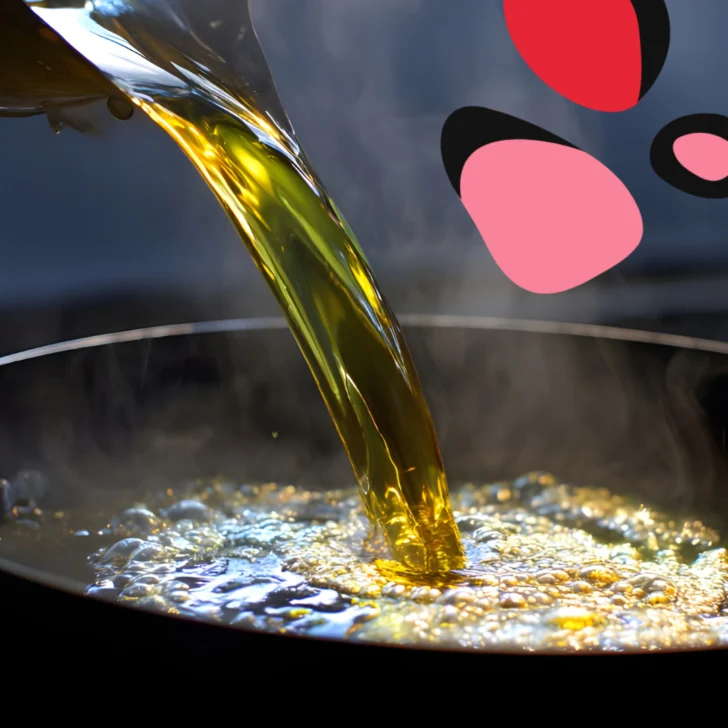
Oil poured down a drain does not disappear. It cools inside the pipes, sets against the walls and narrows the channel until something solid catches. Water companies clear hundreds of thousands of sewer blockages a year, and fats, oils and grease account for a large share of them. If the blockage sits in the pipework serving your unit, the repair falls to you or your landlord, and the cost lands well above what used cooking oil disposal would have cost in the first place.
There is a second reason to get it right. Buyers, market organisers and environmental health teams increasingly ask how a food business handles waste, and being able to answer with a name and a paper trail is much easier than improvising.
What waste oil collection actually involves
Less than people expect. A collector supplies a sealed container, you fill it, and they collect it on a schedule that suits your volumes. Waste oil collection is usually free, because companies such as Quatra can process the oil into a key feedstock for biodiesel production.
You get a waste transfer note each time, which is the record you need. Set the container somewhere staff can reach without carrying a hot pan across a kitchen, and the whole thing becomes background noise.
Sort it before it becomes urgent
The businesses that struggle with this are almost never the ones that ignored it deliberately. They are the ones who grew faster than their systems did, and found out the hard way in the middle of a busy Saturday. Ten minutes on the phone now buys you one less thing to think about later.