

What Are the Common Myths About Urine Drug Testing? Debunking Misconceptions
Many people believe that doctors always test for drugs when they take urine samples, but this is not true. Routine urine tests usually check for conditions like urinary tract infections, kidney function, and diabetes. Drug testing in healthcare settings requires specific tests that are different from these routine analyses.
Another common myth is that exercising rigorously before a urine drug test can help you pass. The effect of exercise on drug metabolism remains uncertain, and there’s no solid evidence to support this claim. Trustworthy and professional workplace drug testing kits provide accurate results, and trying to cheat them is risky and ineffective.
Some myths suggest that substances like vinegar can mask drugs in your system. Adding vinegar to your urine may change the pH, making it suspicious and potentially leading to a retest. Urine Drug Tests for Employee Screening need to be trustworthy to ensure safety and fairness in the workplace. Misconceptions can lead to severe consequences, so it’s best to understand how these tests really work.
Table of Contents
Debunking Myths about Urine Drug Testing
Urine drug testing is surrounded by many misconceptions. It’s essential to separate myth from reality to understand how these tests truly work and their limitations.
Myth: Drug Tests Are Error-Free
Drug tests can sometimes produce false positives or false negatives. Factors like cross-reactivity with medications, improper handling, and lab errors can affect results. It’s important to confirm any positive test with more specific testing methods. Don’t assume every result is 100% accurate without additional verification.
Myth: Second-hand smoke Can Cause a Positive Result
Exposure to second-hand smoke from drugs like cannabis is unlikely to produce a positive test in your system unless exposure is extreme and prolonged. Urine tests measure specific metabolites, and fleeting exposure doesn’t usually reach the required threshold for detection. Fearing a positive test from casual second-hand smoke inhalation is generally unwarranted.
Myth: Drinking Lots of Water Can Help You Pass
Drinking excessive water might dilute your urine, but this won’t necessarily help you pass a drug test. Labs test for dilution by checking creatinine levels in your urine. If your sample is too diluted, it may raise suspicion and lead to further testing. It’s a common misconception that you can simply flush drugs out of your system with water.
Myth: All Drug Tests Are the Same
Not all drug tests are created equal. Differences exist in sensitivity, types of drugs detected, and methods used. For example, some tests may focus on common drugs like cannabis and cocaine, while others detect a broader range. Understanding the specific type of test being used is important, as it affects what drugs can be identified and how accurate the results are.
Implications of Misconceptions
Misunderstandings about urine drug testing can impact both employment opportunities and legal outcomes. Addressing these misconceptions is essential to ensure fair treatment and accurate assessments.
Impact on Employment Screening
Misconceptions about urine drug testing can affect employment screening processes. Employers sometimes believe that a positive result indicates current drug use, but substances can remain in your system for varying periods. For instance, marijuana can be detectable days or even weeks after use.
This misunderstanding can lead to unnecessary job disqualifications. Routine or infrequent drug users might be falsely identified as regular users, causing stress and unfair treatment. Employers should be aware that factors such as metabolism, frequency of use, and the type of substance can influence test results.
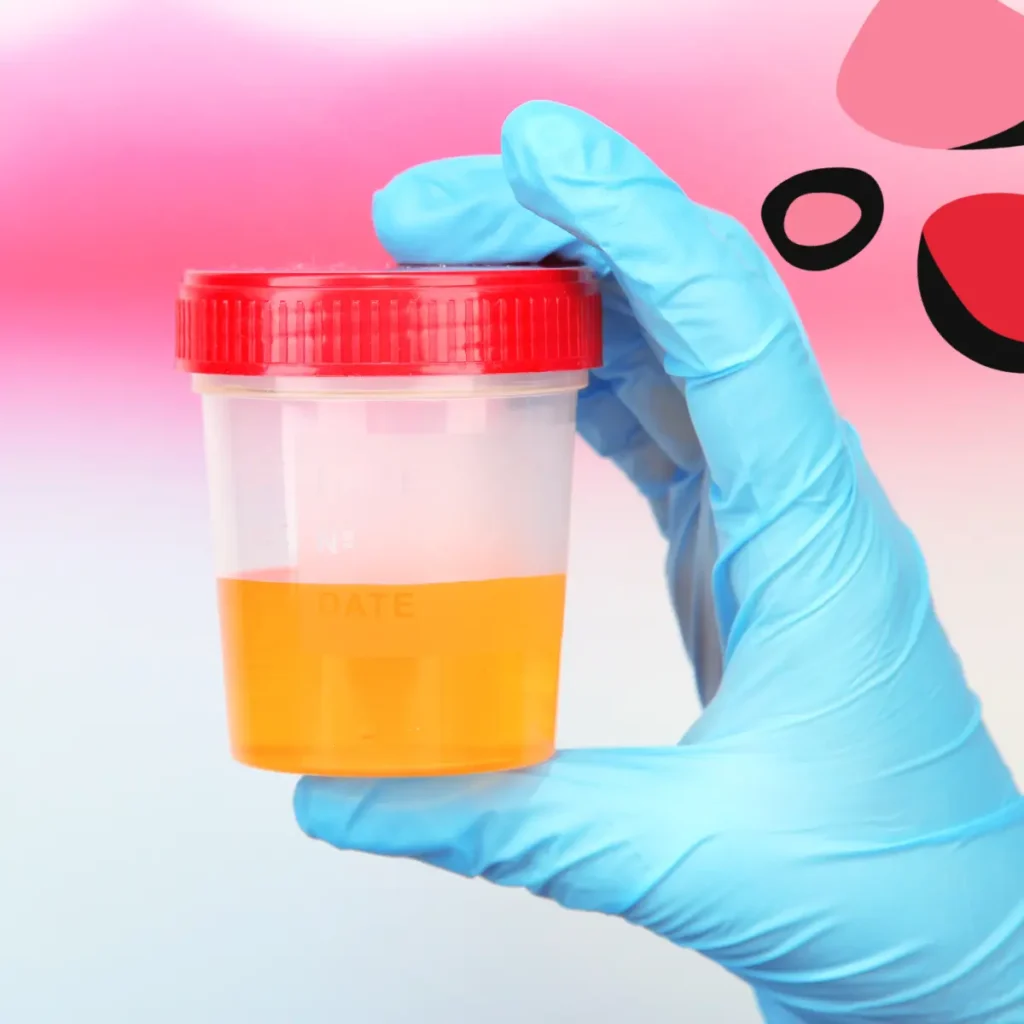
Employers must also understand the limitations of these tests. Some common over-the-counter medications can cause false positives. Comprehensive education on these points can help prevent wrongful job denials and create more equitable hiring practices.
Legal Ramifications
Misconceptions surrounding urine drug testing can have significant legal consequences. A false positive result due to misinterpretation or lab error can lead to legal challenges, such as wrongful termination or even criminal charges. Proper knowledge about the testing process and common pitfalls is important to avoid such legal issues.
It’s important to recognise that urine tests do not measure impairment. For example, a positive test for cannabis does not necessarily indicate that a person is currently under the influence. Misunderstanding this can result in unfair legal penalties, including driving licence suspensions or other legal sanctions.
Legal professionals and those involved in the justice system must be well-informed about these nuances. Clear guidelines and expert consultations can help mitigate the risks of wrongful convictions or unjust punishments based on urine drug testing results.
Conclusion
Urine drug testing often faces many myths and misunderstandings. It’s important to know that simply drinking lots of fluids won’t ensure a clean test. Modern drug testing methods are quite advanced and can detect attempts to cheat.
Myth: You can pass a drug test by using someone else’s urine. Fact: Tests can check the temperature of the sample to catch this trick.
No drug test is perfect, but urine tests are among the most reliable and commonly used. Remember, trying to cheat might not just fail but also get you into more trouble.
Always approach drug testing with honesty and awareness.