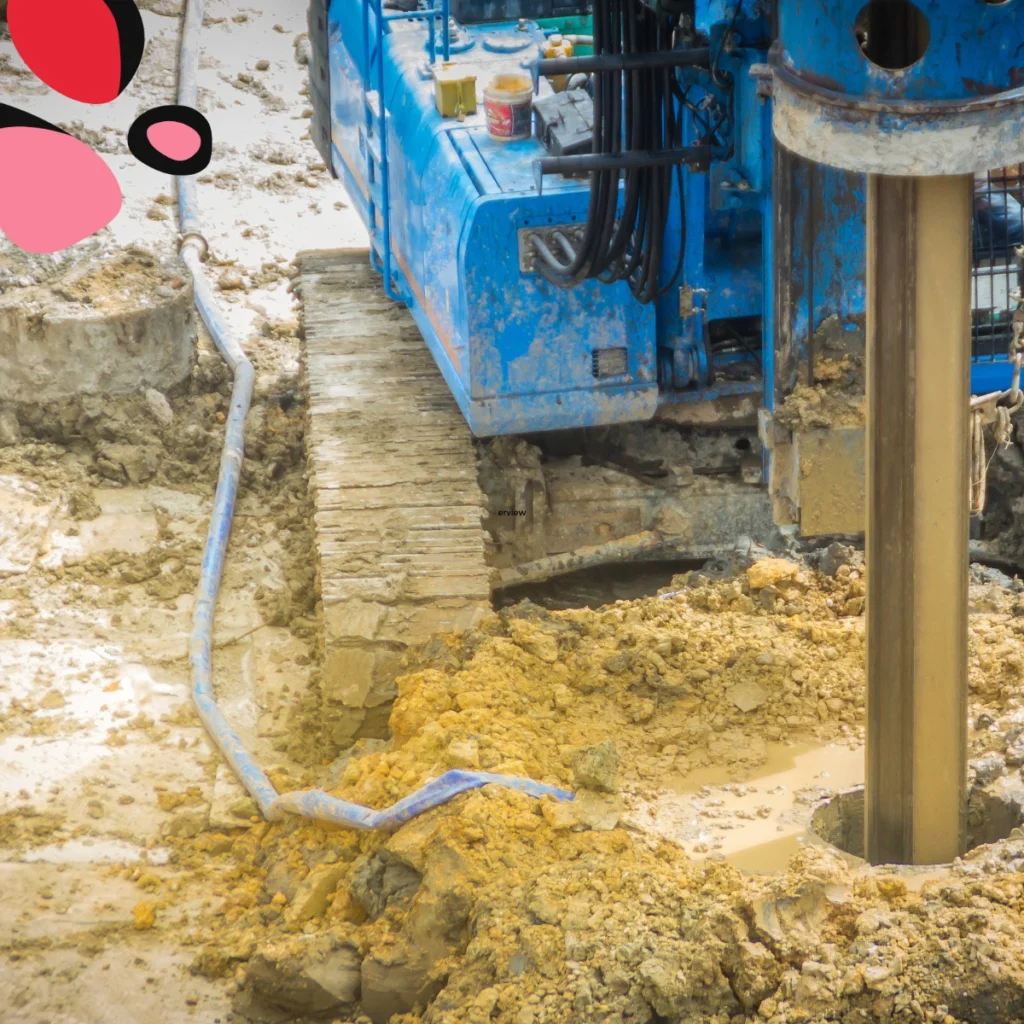

What are the long-term saving benefits of water boreholes?
Drilling a borehole isn’t cheap – that part is pretty clear from the start. But once the pipe is in the ground and the pump’s working, the numbers begin to work in your favour. And over the years, and especially decades, to come, the savings start to add up in ways that aren’t always obvious when you’re first weighing up the investment. Let’s take a closer look at the nuts and bolts of water borehole ROI.
Table of Contents
Lower bills
Water bills are one of those costs you can’t really avoid – unless you’ve got your own supply that is. A borehole from a provider like Teckna Group can make that a reality. The water itself doesn’t cost anything once you’ve tapped into the source (unless you’re taking more than 20,000 litres per day that is) – you’re only paying for electricity to pump it and the occasional service.
The difference shows up quite slowly for smaller households. For farms, or factories using thousands of litres, the savings can be a lot more immediate. What used to be a slightly painful line on the monthly budget starts to disappear. And that doesn’t just help today, it keeps helping every month the borehole is in use.
A shield against price rises
It isn’t just a way of cutting today’s bill – utility costs rarely stay static. They go up, sometimes sharply, especially water bills in this country, given the infrastructural nightmare that’s emerged in recent years. A borehole gives you an easy way out of that cycle. With one in place, your water costs don’t climb every time suppliers raise tariffs.
For businesses, that’s worth more than it first looks. Predictable costs mean less uncertainty in budgets and less exposure when prices jump. In practice, the borehole instantly becomes a hedge against future increases.
Avoiding downtime losses
Savings don’t always appear in the most obvious ways. In the context of water boreholes, especially in industrial or agricultural settings, sometimes they show up in the form of work not lost.
A borehole can keep things running when there’s a failure in the water system. That continuity prevents expensive downtime, missed deadlines, and wasted produce. It’s a saving hidden in the background, but one that makes a massive difference when interruptions hit.
Environmental benefits
There’s also the wider view to take into consideration. Using borehole water reduces strain on treated mains supply – that has value for businesses trying to meet sustainability targets, or demonstrate lower environmental impact.
Sometimes that translates into direct financial benefits; grants, tax breaks, and reduced levies. Sometimes it’s less direct: contracts won because the company can show it’s greener. Either way, the saving extends beyond the initial number on the utility bill.
As you can see, the long-term benefits aren’t just lower bills. They’re steadier and more predictable budgets, fewer interruptions, greener credentials, and a range of sustainability-related incentives. A borehole doesn’t look cheap when you just see the initial install cost, but stretched across twenty or thirty years, the return is much harder to ignore.