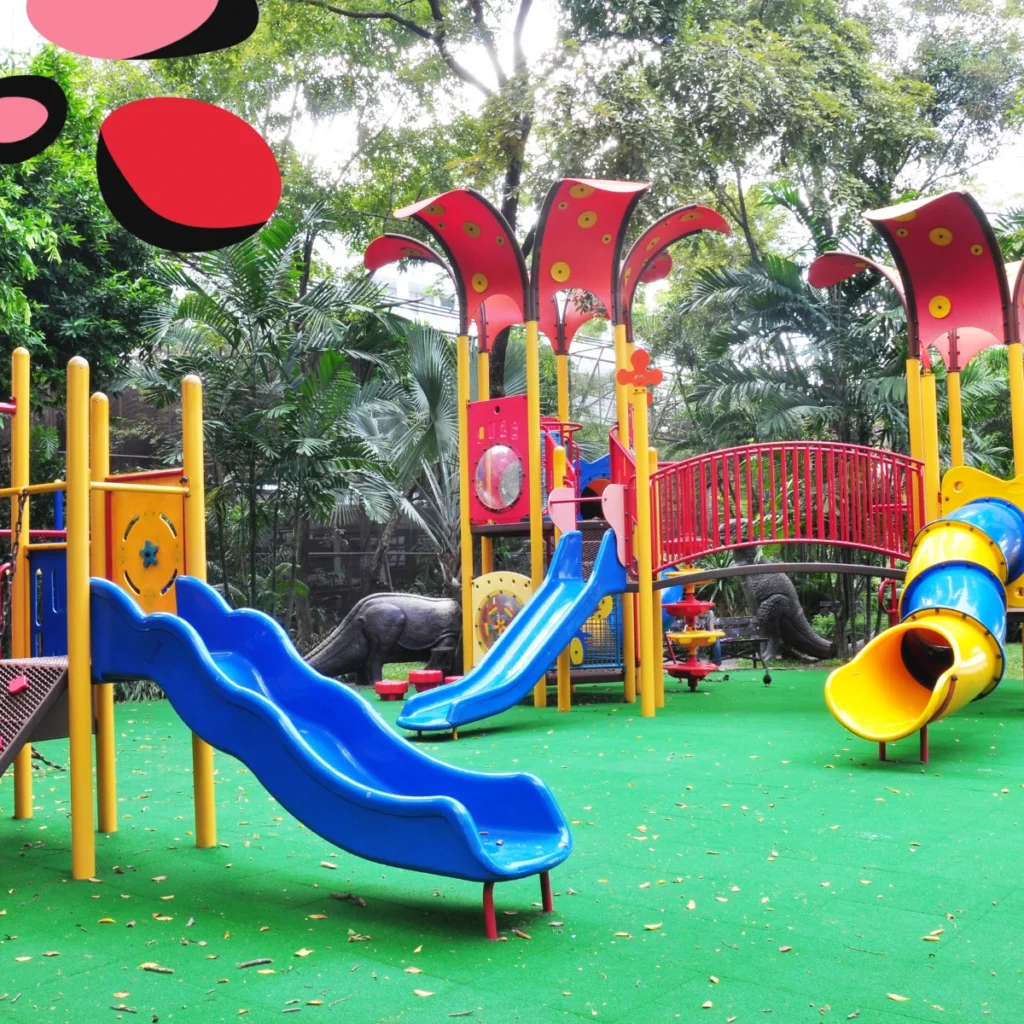

What Is the Best Playground Surface for Safety and Accessibility in Public Spaces?
This is a collaborative post
Table of Contents
Choosing the right playground surface is about more than appearance. Safety, accessibility, and long-term performance all play a crucial role in how successful a public play area will be. Whether it’s a school playground, a local park, or a community centre, the surface underfoot can affect how inclusive, durable, and enjoyable the space is for children and families.
In this blog, we’ll explore the best playground surface options available today, focusing on what makes each one suitable in terms of safety, accessibility, maintenance, and cost. We’ll also look at how Caloo demonstrates modern surfacing solutions, supporting public playground safety while meeting national standards and encouraging inclusive play for all.
Why Playground Surfacing Matters
Safe playground surfacing isn’t just a nice-to-have — it’s essential. Falls are one of the most common causes of injury on playgrounds, and without proper impact-absorbing materials, children can suffer serious harm. At the same time, surfaces must allow for accessibility. A child using a wheelchair or walking aid should be able to move across the space as easily as any other child.
Good surfacing also reduces maintenance, stands up to heavy use, and performs well in all weather. When planned properly, it contributes to a more inviting, inclusive space that benefits the wider community.
What Are the Main Types of Playground Surfaces?
There are several playground surface types, but not all are suitable for public use or for meeting modern safety and accessibility requirements. Let’s take a closer look at the most common options.
Wet Pour Surfacing
Wet pour surfacing is one of the most popular choices for safe and accessible playground flooring. Made from a mix of rubber granules and a binding agent, this surface is poured and set in place, creating a smooth, seamless finish.
Its key benefits include:
- Excellent impact absorption
- Wheelchair and buggy-friendly surface
- Wide range of colour and design options
- Low maintenance
- Meets BS EN 1177 safety standards for critical fall heights
Because of its flexibility, wet pour can be installed around play equipment of all shapes and sizes. It’s especially useful in schools and urban parks where both safety and aesthetics are important.
Rubber Playground Tiles
Rubber tiles are pre-formed safety surfacing units that can be installed over existing hard bases. They offer similar safety and accessibility benefits to wet pour surfacing but can be quicker to install and replaced in sections if damaged.
They’re particularly well-suited to:
- Smaller playgrounds
- Urban areas with hardstanding
- Temporary installations or upgrades
However, tiles can sometimes shift or become misaligned if not installed correctly, so professional fitting is key.
Grass Mats
For a more natural look, grass mats provide a budget-friendly and eco-conscious solution. These rubber mats are laid over natural grass, allowing the grass to grow through and maintain a green appearance.
Key advantages:
- Low-cost safety surfacing
- Maintains natural aesthetics
- Protects grass from wear and erosion
- Suitable for low to medium traffic areas
Grass mats offer some impact absorption but generally aren’t as soft as rubber tiles or wet pour, so they may be more suitable in smaller community play areas or around trim trails.
Loose Fill Options: Bark, Sand and Gravel
Loose materials like bark or woodchip were once common in public play areas. While they provide some cushioning, they are not ideal for inclusive play. These materials can shift easily, become compacted, and make access difficult for children with mobility aids.
Additionally, they require frequent topping up and can pose hygiene issues, particularly in public spaces.
Safety First: Meeting Playground Standards
All public playgrounds in the UK should meet BS EN 1177, which outlines the requirements for impact-absorbing playground surfaces. The key factor is critical fall height — the maximum height from which a child can fall without a serious injury risk.
Surfaces like wet pour and rubber tiles are tested and certified to meet these standards, giving peace of mind to local councils, schools, and community groups investing in safe play spaces.
Accessibility and Inclusive Play
Creating accessible playground flooring means considering more than physical access. A truly inclusive playground allows children of all abilities to move freely and safely. Smooth, level surfaces like wet pour enable wheelchair access, help carers push prams with ease, and reduce trip hazards for visually impaired users.
Surfaces can also be colour-coded or designed with tactile patterns to assist those with sensory needs or visual impairments, helping children navigate and enjoy the space independently.
Long-Term Durability and Maintenance
When it comes to public spaces, playground surfacing must be built to last. Rubber surfacing options like tiles and wet pour offer excellent durability and require minimal maintenance beyond occasional cleaning and checks for wear.
Loose fill surfaces, in contrast, require regular raking and topping up and can be difficult to keep clean. In areas with high foot traffic, these can quickly become uneven and pose more safety risks.
Investing in a durable, long-lasting surface often proves more cost-effective over time, especially when factoring in the reduced risk of injury claims or repeated repairs.
Environmental Considerations
Today, many local authorities and schools are looking for sustainable options. Wet pour surfacing and rubber tiles are often made from recycled materials, such as old car tyres. Choosing surfaces with eco-friendly credentials can support wider sustainability goals, making the playground not only safer but greener too.
Which Surface Is Best for Your Playground?
There’s no one-size-fits-all answer, as the best playground surface depends on several factors:
- The age range of users
- The type and height of equipment
- The level of public use
- Accessibility needs
- Budget
- Maintenance capacity
In most cases, wet pour surfacing offers the best combination of safety, accessibility, design flexibility, and long-term value. For smaller projects or tight budgets, grass mats or rubber tiles may offer a cost-effective alternative while still meeting essential safety requirements.
Final Thoughts
The best playground surface is one that meets safety standards, allows access for all users, and stands up to daily use without requiring constant maintenance. Whether you’re planning a new school playground, upgrading a public park, or designing a community play area, choosing the right surface is a crucial decision.