
Fun and Simple Ways to Teach Kids About Money – Expert Tips from MMB and Jackie
MMB Magazine has over 20 years of experience in recruitment and a passion for helping working mums balance their careers and family life. In partnership with Jackie, a finance specialist who believes that learning about money should be fun, we’re excited to bring you practical, easy-to-follow tips for introducing your kids to the world of money. From pre-schoolers to primary-aged children, these activities will help build healthy financial habits that will last a lifetime.
Table of Contents
Why It’s Never Too Early to Teach Kids About Money
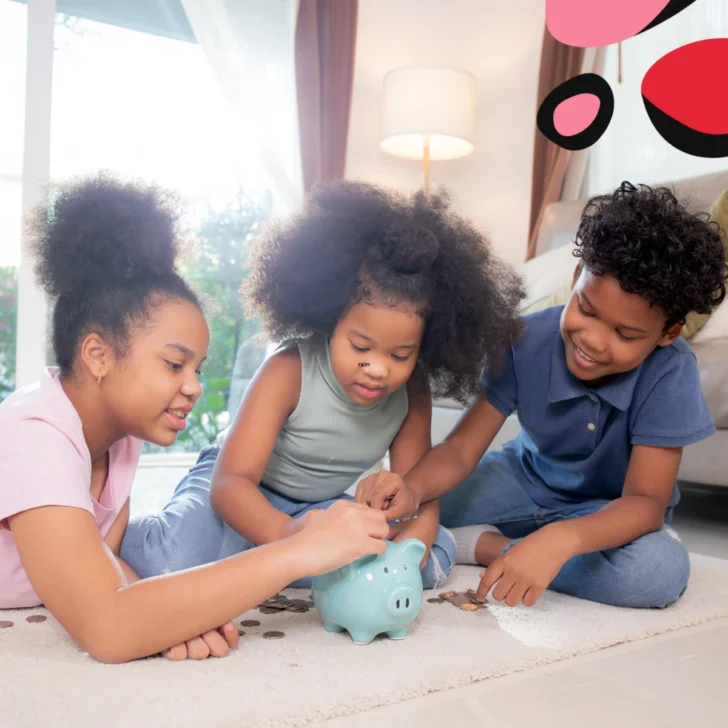
It’s never too early to start teaching children about money. Encouraging healthy savings habits at a young age will set them up for financial success in the future. The secret? Make it fun and keep it real! Jackie shares her top tips for making money lessons engaging and effective, broken down by age group, with interactive activities that your kids will love.
Always supervise young children during these games due to choking hazards.
Teaching Pre-Schoolers (Ages 3-5) About Money
At this stage, children are too young for financial concepts, but they love the look, feel, and sound of money. Introducing them to physical coins in fun ways can help them start building positive associations with money.
Top 5 Fun Tasks for Pre-Schoolers
1. Treasure Hunt with Coins
- Hide coins around the house and let your child hunt for them. After they collect their “treasure,” help them count the coins together. This can teach number recognition and the concept of counting. (Make sure you know where you put them so you can safely remove them after the game, always keep an eye on your child while playing this game.)
Tip: Use larger coins like 1p and 2p so they’re easier to find.
2. Penny Stacking Race
- Give your child a bunch of pennies and see who can build the tallest tower in a minute. This activity helps with hand-eye coordination and introduces the idea of value by stacking actual money.
Tip: Make it competitive by timing the activity or seeing who can build the highest stack!
3. Shine Your Coins
- Teach them how to make pound coins sparkle by soaking them in a solution of malt vinegar and salt for 15 minutes, then scrubbing with an old toothbrush (not to be used on copper coins). This doubles as a fun pirate treasure activity!
4. Paying with Cash
- The next time you’re out shopping, let your child hand over the coins to pay for small items. This hands-on experience helps them understand the concept of exchanging money for goods.
Tip: Use small wallets or bags to give them a sense of responsibility for carrying their own money.
5. Clear Jar Money Box
- Forget the piggy bank! Use a clear jar so your child can see their money grow every time they add more coins. This visual reward system is a great motivator and helps them understand the idea of saving.
Tip: Praise them whenever they add more to their jar to reinforce positive saving habits.
Pre-Schoolers Money Skills Checklist:
- Set up a weekly coin treasure hunt around the house.
- Organize a penny stacking game to teach coordination and value.
- Try the coin cleaning activity to add a fun twist to learning.
- Let them pay for small items with cash on your next shopping trip.
- Encourage them to save by using a clear jar for their money.
Teaching Primary Aged Kids (Ages 6-10) About Money
By the time children reach primary school, they’re ready for more complex money concepts. Engaging them through games and challenges will keep them entertained while helping them learn the basics of budgeting, saving, and spending.
5 Fun Challenges for Primary Aged Kids
1. Coin Value Hunt
- Hide coins of various denominations around the house. The child who finds the highest total value wins. This game teaches the difference between coin quantity and value.
Tip: Use a mix of smaller and higher-value coins (like 1p, 5p, 10p, and £1) to help them understand that more coins don’t always equal more money.
2. Pocket Money Savings Challenge
- Set a savings goal for an item they want, and create a fun plan to help them reach it. Work together to design a savings chart that shows how much they need and how long it will take. Reward progress by giving top-ups when they hit milestones.
Tip: Start small with achievable goals to build confidence, and offer to match a portion of their savings as a reward for meeting targets.
3. Board Games
- Games like Monopoly and The Game of Life are fantastic tools for teaching kids about managing money, making financial decisions, and learning about risk and reward.
Tip: Incorporate real-life financial lessons by discussing the decisions they make during the game and how they apply to everyday spending and saving.
4. Chore for Pocket Money System
- Assign daily chores with pocket money rewards to help your child understand that money is earned. Age-appropriate tasks like tidying their room or feeding the pets can teach the value of effort.
Tip: Use a chart with stickers to track completed chores and earned rewards.
5. Value-Based Chore System (For Ages 8+)
- Create a system where your child can earn extra money for doing optional chores. Assign values to tasks (e.g., washing the car earns £1, watering the plants earns 10p) to teach them that different jobs have different worth.
Tip: Be sure to set limits for highly motivated kids who might try to “over-earn” by doing everything in sight!
Primary Aged Kids Money Skills Checklist:
- Organize a coin value hunt to teach the difference between coin value and quantity.
- Create a savings plan for their next big purchase.
- Play board games like Monopoly to teach money management in a fun way.
- Set up a chore-based system for earning pocket money.
- Use a value-based chore system for older children to understand different task values.
Great Resources for Teaching Kids About Money
Here are some fantastic, kid-friendly resources to help you and your child continue learning about money:
- MoneySavingExpert Kids’ Guide – Practical advice for teaching kids about money, tailored for every age group.
- GoHenry – A debit card for kids that helps them learn to manage their money under parental supervision.
- Junior Monopoly – A family-friendly board game that teaches children the basics of spending, saving, and decision-making.
Final Thoughts – Making Money Fun for Your Kids
Teaching children about money doesn’t have to be complicated. By making money fun, interactive, and relatable, you’ll help them develop healthy financial habits that will benefit them throughout their lives. Whether it’s stacking pennies, going on treasure hunts, or setting up a savings challenge, the key is to make learning enjoyable and rewarding.
Written by MMB and Jackie, finance specialist. Jackie is a firm believer in making finance fun and accessible for families, helping them raise money-smart kids in a way that’s engaging and practical. Together, MMB and Jackie bring you these tips to ensure your child has a solid financial foundation from an early age.Jackie Swainston, founder of innovative children’s savings solutions, CoinIt-In, shows MMB readers how to make finance fun!
It’s never too early to start teaching children about money and encourage healthy savings habits for life. Just remember two things – make it fun and keep it real! Here are my top tips.