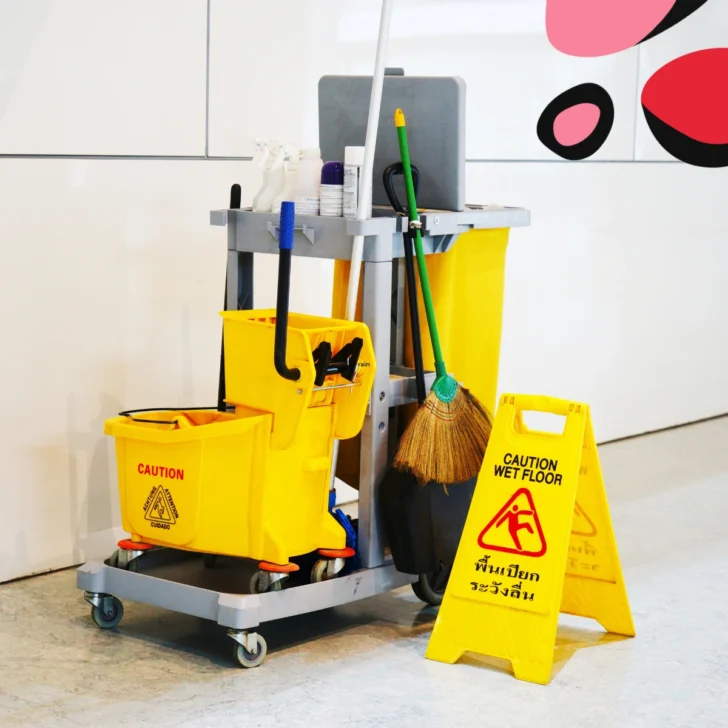
Essential Tools for a Safe and Organized Workplace
When it comes to maintaining a safe and efficient workplace, having the right tools and systems in place is crucial. One of the most effective ways to achieve this is by implementing a 5S cleaning station. This simple yet powerful concept is a cornerstone of workplace organization and safety. But what exactly is it, and what essential tools do you need to create a workspace that’s both clean and organized? Let’s dive into these questions and explore the must-have tools for an optimized, hazard-free work environment.
Table of Contents
What is a 5S Cleaning Station?
Before we go into the tools, it’s essential to understand what a 5S cleaning station entails. 5S is a workplace organization method that originated in Japan as part of the lean manufacturing process. The term stands for five principles—Sort, Set in Order, Shine, Standardize, and Sustain. A 5S cleaning station refers to the part of this system specifically focused on cleaning and maintaining order in the workspace, ensuring that everything has a designated place and that cleaning supplies are readily accessible.
The goal of 5S is not just cleanliness, but efficiency, safety, and orderliness, making it easier for employees to find tools, avoid accidents, and reduce downtime.
Why a Clean and Organized Workspace is Important
A disorganized, cluttered workspace isn’t just an eyesore; it can lead to a host of problems, including:
- Safety hazards: Trip hazards, spills, and clutter increase the chances of accidents.
- Lower productivity: Employees waste time searching for tools or navigating around clutter.
- Decreased morale: A messy workspace can lead to frustration and a lack of pride in the job.
- Compliance issues: Many industries have strict regulations regarding cleanliness and safety that need to be met.
By implementing a well-organized cleaning station using the 5S methodology, businesses can mitigate these risks and create a more streamlined, productive environment.
Essential Tools for a 5S Cleaning Station
Now that we’ve covered the basics, let’s look at the tools you need to build an effective and efficient 5S cleaning station. Whether you’re working in a factory, office, or warehouse, these items will help keep your space clean, safe, and well-organized.
1. Brooms, Dustpans, and Mops
At the heart of every cleaning station are the basic tools for sweeping and mopping up debris, dust, and spills. Industrial-grade brooms and mops are essential for cleaning floors and maintaining a slip-free environment. Be sure to choose durable, heavy-duty versions that can withstand frequent use in busy areas.
- Brooms: Make sure you have both push brooms for large areas and smaller hand brooms for tight spaces.
- Mops: For liquid spills, choose mops with absorbent materials, and ensure mop buckets are easily accessible for quick cleanups.
2. Spray Bottles and Cleaning Solutions
For wiping down surfaces, sanitizing workstations, and ensuring the area is germ-free, keep spray bottles filled with the appropriate cleaning solutions. Label the bottles clearly so that workers know which solution to use for each cleaning task, whether it’s for disinfecting surfaces, glass cleaning, or spot treatments.
Some commonly used solutions include:
- Multipurpose cleaners: Suitable for various surfaces like desks, machinery, and countertops.
- Disinfectants: Essential for high-touch areas to prevent the spread of germs.
- Glass cleaners: For streak-free windows and glass surfaces.
3. Microfiber Cloths and Cleaning Rags
Disposable wipes are convenient, but they can add up in cost and environmental impact. Instead, consider using reusable microfiber cloths. They’re highly absorbent, quick to dry, and effective at picking up dust, grime, and bacteria. Store them in your 5S cleaning station, organized by type or task, and ensure there’s a laundry system in place to clean and reuse them.
- Microfiber cloths: Ideal for detailed cleaning tasks on screens, glass, or polished surfaces.
- Rags: Use heavier-duty rags for messier cleanups like oil spills or machinery maintenance.
4. Gloves and Personal Protective Equipment (PPE)
Cleaning often involves exposure to chemicals, dirt, or even sharp objects, so personal protective equipment (PPE) is crucial. Stock your cleaning station with durable, reusable gloves that offer protection against various chemicals and physical hazards.
- Gloves: Make sure you have both disposable and reusable types, depending on the task.
- Safety glasses: Keep a supply of safety goggles or glasses for protection during tasks that involve chemical splashes or dust.
- Face masks: Necessary when dealing with toxic cleaning chemicals or dust-heavy environments.
5. Trash and Recycling Bins
Keeping waste under control is another key aspect of a 5S cleaning station. Ensure there are enough bins for trash and recycling, and make sure they’re clearly labeled to avoid contamination of materials. Designate specific areas for waste disposal and keep bins at easily accessible points throughout the workspace.
- Trash bins: Opt for bins with lids to contain odors and prevent debris from spilling out.
- Recycling bins: Separate bins for recyclable materials like paper, plastic, and metal encourage proper disposal and align with sustainability efforts.
6. Labeling Tools and Shadow Boards
An organized workplace relies heavily on clear labeling. In your 5S cleaning station, label everything—from spray bottles to broom holders—so that each tool has a specific place, and employees know where to return them. Shadow boards are especially useful; they allow you to outline the shapes of tools directly on the wall or board, making it obvious where each item belongs.
- Label makers: Ensure all items and storage areas are clearly labeled.
- Shadow boards: Use these boards to organize tools like brooms, mops, and dustpans, making them visible and easy to grab.
7. Signage and Checklists
Good communication is key to keeping a workspace organized and safe. Consider adding signage or instructional posters to your 5S cleaning station. These can offer quick guidance on cleaning procedures, proper chemical handling, or emergency steps. Additionally, creating a daily or weekly cleaning checklist can help ensure that nothing gets overlooked.
- Signage: Use posters or signs to detail cleaning procedures and safety information.
- Checklists: Post a cleaning checklist near the station to keep employees on track with daily or weekly tasks.
8. Storage Shelving or Lockers
For optimal organization, it’s essential to have designated storage spaces for cleaning supplies and equipment. Shelves, lockers, or cabinets should be part of your 5S cleaning station. Not only do they keep supplies organized and out of the way, but they also ensure everything is easy to find when needed.
- Shelves or cabinets: Use open shelving for larger cleaning equipment and closed cabinets for chemicals and personal protective gear.
- Lockers: These are useful for storing PPE or keeping personal items safe during cleaning tasks.
How to Maintain Your 5S Cleaning Station
Once your 5S cleaning station is set up, the real challenge is maintaining it. Use the 5S principles to guide you:
- Sort: Remove any unnecessary items from the station.
- Set in Order: Arrange tools and supplies so that they are easy to access.
- Shine: Regularly clean the station itself and its contents.
- Standardize: Develop clear protocols for how the station should be maintained.
- Sustain: Ensure that employees use the station correctly and consistently over time.
Conclusion
Creating a safe and organized workplace starts with a well-designed cleaning station. Implementing the 5S method can make a significant impact on workplace efficiency and safety. By ensuring you have the right tools—brooms, mops, cleaning solutions, PPE, and proper storage—your 5S cleaning station can help keep your workspace hazard-free and productive for everyone involved.