
Table of Contents
Understanding the operational control process
Operational control lies as a cornerstone in pretty much all projects. Without it, even well-planned jobs can go off track, with delays creeping in and safety slips cropping up increasingly frequently. That’s where a clear, structured operational control process comes into its own, and it needs to be taken seriously from the get go. That being said, what does operational control involve, and why is it so important?
Operational control defined
In practical terms, operational control is the process of managing how a project is carried out on the ground. It’s about taking the plans, however detailed, and making sure the real-world delivery lines up.
That means managing people, equipment, and time. It requires handling logistics, and monitoring safety. And it means making sure every part of the job, from start to finish, is under control – no surprises, no confusion, and no cutting corners.
Who’s involved?
Operational control often sits with a specialist project team from a provider such as AIS Vanguard, typically led by a site manager or operations lead. In addition, it will turn out to be a shared responsibility.
Engineers, supervisors, contractors, and clients will all have a role to play. Good operational control keeps everyone aligned. It makes expectations clear, flags risks early, and ensures that nothing moves forward without proper sign-off.
What does the process look like?
While every project is different, the operational control process usually follows a few core steps:
- Planning and preparation: Before anything happens on site, the team needs a clear plan. That includes timelines, access requirements, safety assessments, and method statements. If the job involves lifting, shifting, or dismantling heavy equipment, detailed logistics come into play.
- Team briefings: Everyone involved needs to know exactly what they’re doing. Daily briefings, toolbox talks, and clear communication channels help keep the project moving safely and efficiently.
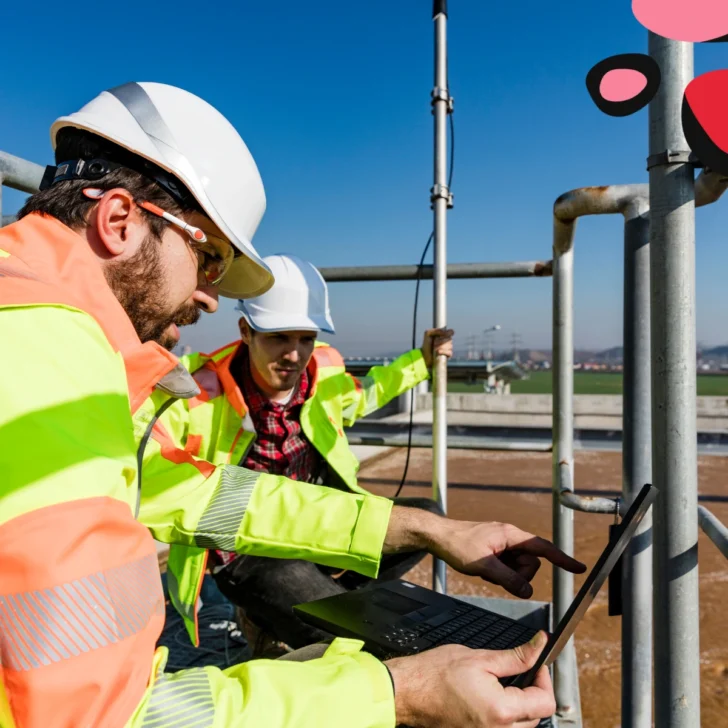
- Monitoring: Once work is underway, operational control becomes about supervision. Are tasks being carried out safely? Are we on schedule? Are any adjustments needed? Site leads monitor progress in real time to keep things on course.
- Problem-solving: No matter how good the planning is, issues can still arise. The operational control process ensures there’s a clear chain of command. If something unexpected happens, it gets flagged, discussed, and resolved quickly.
- Handover: Once the job is done, a proper close-out process confirms everything has been completed to spec. Any necessary documentation, such as inspection reports, health and safety files, or client sign-offs, is wrapped up and handed over.
Why it matters
When operational control is done well, it feels seamless. The right people are in the right place, doing the right job at the right time. Risks are managed, before they become problems. And even complex, high-risk projects get delivered safely and on time.
It’s not about micromanaging – it’s about making sure every moving part works in sync. In most contexts, that’s what keeps projects efficient, compliant, and under control from day one. By using operational control processes from the very get-go, you can minimise the chances that things go wrong further down the line, maximising the success of your operations.