

By Abbie Coleman – MMB Magazine Editor
As a mum of two and an advocate for child development, I believe in the power of learning through play. With a passion for nurturing young minds, I empower parents with practical tips and insights to support their children’s growth and independence.
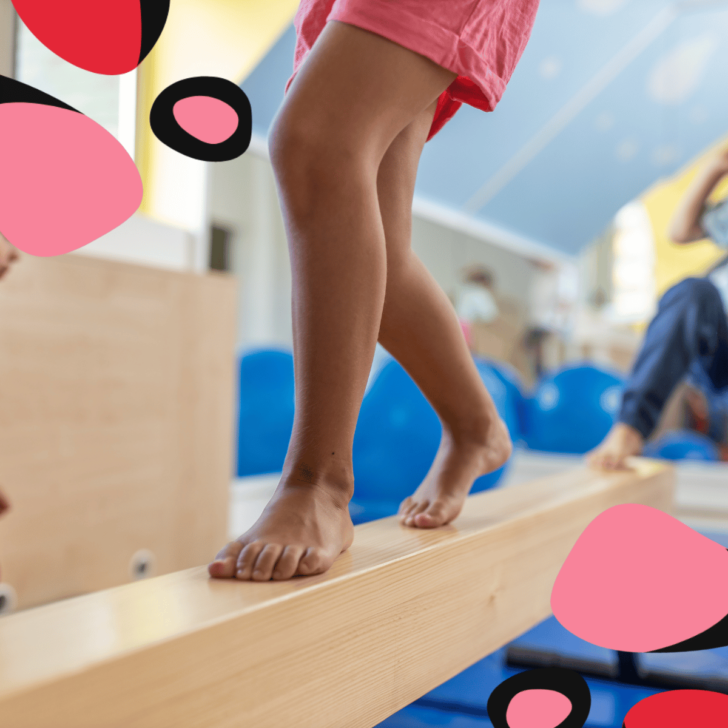
The Montessori Balance Beam For Young Toddlers And Kids
Navigating the world of early childhood development can be a joyous yet perplexing journey for parents especially when looking at versatile montessori equipment.
One tool that often sparks curiosity is the Montessori balance beam—a simple yet impactful, durable play companion to a child’s play, physical activity and learning environment. But great for so much more than just confidence building and balancing skills. In this guide, we’ll explore the opportune moments to introduce this wonderful wooden toy, a balance beam, to your child and how to discern if it’s the right fit for their developmental stage and if it will be a great addition to your playroom.
Table of Contents
What is a Montessori Balance Beam
A Montessori balance beam is a specially designed equipment that aligns with the Montessori hands-on, experiential learning philosophy. A great educational toy, but while balance beams themselves are not exclusive to Montessori education; a Montessori-inspired balance beam often differs in certain aspects:
Material and Design:
Montessori balance beams are typically crafted from natural material such as birch plywood and American maple wood, aligning with the Montessori emphasis on bringing elements of nature into the learning environment. The design is often simple and focused on functionality, allowing children to engage with the beam purposefully.
Focus on Independence:
In a Montessori setting, there is a strong emphasis on fostering independence in children. A Montessori balance beam is designed to encourage children to explore and use it independently, promoting confidence-building and a sense of accomplishment.
Integration with Other Activities:
Montessori materials are often part of a broader, integrated curriculum. A balance beam in a Montessori environment may be incorporated into various activities that align with the child’s developmental stage, such as sensory experiences, gross motor skill development, and imaginative play.
Age-Appropriate Challenges:
Montessori materials are introduced to children at specific developmental stages. A Montessori balance beam is introduced when a child is ready to explore and enhance their balance and coordination skills—the challenges the balance beam presents are tailored to the child’s age and abilities.
Focus on Real-life Skills:
Montessori education aims to prepare children for real-life experiences. A balance beam in a Montessori setting may be introduced with a connection to everyday activities, fostering a sense of practicality and relevance.
While the concept of a balance beam is not unique to Montessori, the difference lies in how it is integrated into the overall philosophy of the Montessori method. The emphasis is on creating a purposeful, independent, and holistic learning experience for the child.
What age should you consider a Montessori Balance Beam?
A balance beam can be introduced to children at different ages, depending on their development and readiness. Generally, children can start engaging with a balance beam around 2 to 3 years old. This is when many toddlers begin showing interest in walking independently and refining their gross motor skills.
Here’s a rough guideline for introducing a balance beam:
Toddlers (2 to 3 years old):
Children typically master basic walking skills at this age. A low and wide balance beam, close to the ground, can be introduced to encourage them to take small steps, improving balance control and coordination.
Preschoolers (3 to 5 years old):
As children grow and become more confident in their movements, you can introduce a slightly higher balance beam. This age group can engage in activities that involve walking forward, backwards, and sideways on the beam, incorporating more dynamic movements.
School-age Children (5 years and older):
Older children can explore more challenging balance beams that may be elevated or narrower. This age group can benefit from activities that involve walking, hopping, skipping, and incorporating creative elements into their balance exercises.
It’s essential to observe your child’s readiness and interest. Introducing a balance beam set should always be a positive and enjoyable experience, fostering a sense of achievement and confidence. Safety is paramount, so choose a balance beam that suits your child’s age and skill level, and always have adult supervision during these activities.
What will my child learn from a Montessori balance beam?
Engaging with a balance beam offers children a range of physical, cognitive, and emotional benefits. Here’s a breakdown of what children can learn from using a balance beam:
Balance and Coordination:
The primary focus of a balance beam is to enhance a child’s sense of balance and coordination. Walking, hopping, and navigating on the beam requires precise control of movements, helping children develop spatial awareness and fine-tune their motor skills.

Muscle Strength and Core Stability:
Balancing on a narrow surface like a balance beam engages various muscle groups, particularly the core muscles. As children work to maintain their balance, they naturally strengthen their muscles, contributing to overall physical fitness.
Spatial Awareness:
Navigating a balance beam encourages children to become more aware of their bodies about space. They learn to judge distances, heights, and movements, fostering spatial awareness and a better understanding of their surroundings.
Confidence and Self-Esteem:
Successfully navigating a balance beam gives children a sense of accomplishment, boosting their confidence and self-esteem. Overcoming small challenges on the beam contributes to a positive self-image and a can-do attitude.
Focus and Concentration:
Balancing activities require concentration and focus. Children learn to pay attention to their movements and tasks, promoting cognitive skills such as attention to detail and sustained focus.
Risk-Taking and Problem-Solving:
Balancing on a beam involves an element of risk, albeit a controlled one. Children learn to assess and manage risks, fostering a healthy understanding of their capabilities. Additionally, they engage in problem-solving as they figure out how to navigate the beam successfully.
Social and Emotional Development:
Using a balance beam can be a social activity, especially in a group setting. Children learn to take turns, support each other, and share their experiences. It also provides an opportunity for emotional expression as they may feel a range of emotions while mastering new skills.
Creativity and Imaginative Play:
Incorporating imaginative elements into balance beam activities can encourage creative thinking. Children might pretend the beam is a tightrope in a circus or a bridge over a river, adding a playful and innovative dimension to their play.
A balance beam is a multifaceted tool contributing to a child’s holistic development. Beyond the physical aspects, it nurtures cognitive skills, emotional well-being, and social interactions, making it a valuable addition to a child’s play and learning experiences.
Signs Your Child Is Ready:
Look at their daily antics to see if your kid is ready for the balance. Keep an eye out for stuff like them standing like they own the joint, a sudden interest in exploring every nook and cranny and a curious streak that involves climbing anything that looks remotely climbable. When you notice these signs, your kid’s little internal alarm goes off, saying, “I’m ready for the balance beam, folks!” It’s less about deciphering cryptic clues and more about catching those everyday cues that tell you it’s time for some Montessori balancing action.
How do I Choose the Right Balance Beam for my child
Choosing the right balance beam involves considering various factors to ensure it aligns with your child’s age, developmental stage, and safety requirements. Here’s a guide to help you select the most suitable balance beam:
Age Appropriateness:
Ensure the balance beam suits your child’s age. Opt for low and wide beams for toddlers, while older children may benefit from elevated or narrower options. Age-appropriate beams promote a safe and engaging experience.
Height and Width:
Consider the height and width of the balance beam. A lower and broader beam provides stability and builds confidence for beginners or younger children. As your child progresses, you can gradually introduce higher or narrower beams to add a level of challenge.
Easy Storage:
Make sure you check the balance beam dimensions when ordering from online stores, so you know you have enough room for active physical play and when storing with the overall length for your playroom or area. Also, make sure you check the total weight so that it’s easy to manage and move.
Outdoor Use:
Choose a balance beam from outdoor-friendly materials, such as weather-resistant wood or treated materials. Some balance beams are specifically designed for both indoor and outdoor use.
Material and Safety Features:
Choose a balance beam from child-friendly materials like wood or foam. Ensure the surface is non-slip to prevent accidents. Rounded edges and smooth finishes minimize the risk of injuries. Prioritize safety features to create a secure play environment.
Adjustability and Versatility:
Some balance beams offer adjustable height options or the ability to connect multiple pieces for added versatility. Adjustable features allow you to tailor the beam to your child’s changing needs and skill levels.
Stability and Durability:
Look for a balance beam that is stable and well-constructed. Stability is crucial to prevent wobbling and ensure a safe experience. Durability is also essential, especially if the balance beam will be used regularly. Make sure to check the maximum load, especially as your child gets older or if you have other children who may use it.
Easy to Clean and Maintain:
Choose a balance beam that is easy to clean and maintain. Materials that resist stains and are simple to wipe down with a damp cloth make it more convenient for regular use, especially in a home environment.
Budget Considerations:
Consider your budget while selecting a balance beam. There are options available across different price ranges. While quality and safety should be prioritized, finding a balance between affordability and features that meet your child’s needs is essential.
Reviews and Recommendations:
Research customer reviews and seek recommendations from other parents or caregivers. Feedback from users can provide valuable insights into the durability, safety, and overall satisfaction with a particular balance beam.
Brand Reputation:
Consider reputable brands known for producing quality children’s equipment. Brands with a positive reputation for safety and durability are more likely to provide a reliable balance beam.
Your Child’s Preferences:
Lastly, involve your child in decision-making. Consider their preferences, such as favourite colours or themes, to make the balance beam more appealing and enjoyable for them.
How To Introduce the Montessori Balance Beam
Introducing the Montessori balance beam to our kiddo was a mix of trial and error and many giggles. We picked a spot in the living room, shoved the Legos aside, and threw down a mini beam. I took the first shaky steps, showing that avoiding being a tightrope expert from day one is okay. We kept the talk upbeat, calling it the “awesome wobble walk.” Initially, my hand was a trusty sidekick until our toddler felt brave enough to go solo. No fancy terms; it was all about “walking the plank” in our home circus. No matter how shaky, each step got a fist bump and a cheer.
We threw in challenges like “backwards beam strolls” and “sideways shuffles” to keep it interesting. Our sessions were quick; there were no marathon balancing acts here. Making it a routine happened naturally—it became our after-breakfast routine, a quirky way to start the day. No frills, just a balance beam and a whole lot of laughter. It became a bonding thing, a mini adventure in our everyday chaos. Embracing the Montessori balance beam was less about picture-perfect steps and more about enjoying the messy, wobbly, and utterly real journey with our little one.
Different ways to engage your child with the Montessori balance beam
When we turned our Montessori balance beam into a game haven, the energy in our living room went from chill to downright cheerful. Here are some tips and a glimpse into our real-life experience to turn this beam into limitless open-ended play opportunities.
Balance Relay Race Bash:
Setting up a balance relay race became a regular weekend highlight. We’d time each round, cheering on our little ones as they strutted their stuff on the beam, a great way to encourage your budding gymnast. Tip: Make sure the passing of toys is part of the fun—bonus points for smooth transitions!
Simon Says Balance Edition:
“Simon says hop on one foot along the beam!” This twist on Simon Says took our game to a whole new level. We’d switch roles, and suddenly, our kiddo was calling the shots. Tip: Sneak in a few goofy moves to keep the laughter flowing.
Colourful Step Challenge Chaos:
Our beam turned into a rainbow runway with this game. Each colour meant a different move, and our child was in charge of decoding the vibrant path. Tip: Mix it up and let them create their colour-coded dance routine for an extra burst of creativity.
Storytelling Tightrope Tales:
Our living room became a stage for imaginative storytelling. Our little one transformed into a fearless explorer crossing a wobbly bridge. Tip: Encourage them to add their twists to the story—pirates, aliens, you name it.
Obstacle Course Bonanza:
The balance beam became the epicentre of our home obstacle course. Cushions, stuffed animals, and a beam in the middle were like a mini adventure park. Tip: Keep it flexible, rearrange the course often, and watch the excitement levels soar.
Musical Balance Freeze Fiesta:
Our weekends became dance parties with the Musical Balance Freeze game. Tip: Join in the dancing and freezing—it’s a guaranteed mood lifter for everyone.
Shape and Balance Challenge:
Shapes on the floor became our balancing canvas. Our little one manoeuvred across squares, triangles, and circles, turning the beam into an interactive puzzle. Tip: Get creative with shapes, and let them invent their challenges.
Parent-Child Balancing Duo Delight:
Being part of the action was a blast. Walking the beam together created a bond, and the shared accomplishment became a routine we all looked forward to. Tip: Capture the moments with a quick snapshot—it’s a memory worth preserving.
Amid these games, we learned that flexibility is key. Some days were filled with high-flying adventures, while others were about laid-back, wobbly strides. The balance beam became more than a piece of equipment; it became a hub for laughter, creativity, and a shared growth journey.
Other Montessori Aligned Play equipment
If you’re looking to expand your collection for creative play and development-focused items to encourage your child’s imagination that is similar to the Montessori balance beam, here are a few suggestions:
Balance Boards:
Like the balance beam, balance boards offer a dynamic way for kids to improve balance and coordination. These versatile boards come in various shapes and sizes, providing an exciting addition to your child’s play and physical activity routine.
Stepping Stones:
Stepping stones add a delightful element of adventure to your play space. They encourage children to navigate through a series of stones, enhancing their balance and motor skills. Plus, they can be arranged in different patterns for a constantly changing play experience.
Wobble Cushions:
Wobble cushions, or stability cushions, provide an excellent way to engage core muscles and improve posture. They offer a fun and challenging way for kids to work on balance while sitting or standing.
Balance Pods:
Similar to stepping stones, balance pods are small, domed structures that challenge children’s balance and stability. They can be arranged in various patterns, creating a mini obstacle course for active play.
Climbing Frames:
A Montessori climbing frame is a versatile addition that allows kids to climb, hang, and explore. It promotes both physical activity and imaginative play, making it a well-rounded piece for a playroom or outdoor space.
Gross Motor Skill Toys:
Consider toys that focus on gross motor skill development, such as large foam blocks for building, tunnels for crawling through, or even a mini trampoline. These items provide a mix of fun and physical activity.
Balance Beam Mats:
Add soft mats or padded surfaces to complement the balance beam for a safe and comfortable landing. These mats offer extra cushioning and can be used for various activities.
Sensory Paths:
Create a sensory path using colourful stickers or mats with different textures and patterns. This pathway adds a sensory element to movement, encouraging kids to explore and engage their senses.
Climbing Holds:
Attach climbing holds to a wall or sturdy surface to create an indoor climbing area. This promotes upper body strength and coordination in a challenging and exciting way.
Hopscotch Mats:
Hopscotch mats provide a classic and enjoyable game that enhances balance and coordination. You can choose mats with different patterns and numbers for added educational value.
Adding a mix of these items to your play space ensures a diverse range of activities, engagingly and enjoyably promoting both physical and cognitive development.