
Unlocking Learning with Montessori Puzzles: A Mum’s Guide
Table of Contents

By Abbie Coleman – MMB Magazine Editor
As a mum of two and an advocate for child development, I believe in the power of learning through play. With a passion for nurturing young minds, I empower parents with practical tips and insights to support their children’s growth and independence.
What Exactly is a Montessori Puzzle?
If you have landed on this page, you must look for fun and educational activities to keep young children and their little hands engaged. Let me introduce you to a world of different puzzles using Montessori toy puzzles. So, what are they exactly?
Read more about other Montessori toys with our other toy suggestions like:

Montessori puzzles are different from your average puzzles. They’re specially designed to promote hands-on learning and problem-solving skills in the best way for children. If you are reading our Montessori series, let us take you on the next part of your Montessori journey with these fun educational activities involving Montessori puzzles.
Why Montessori Puzzles Are Amazing Educational Tools
You might be wondering, “What makes Montessori puzzles so special?” Let me break it down for you. These puzzles are crafted with the Montessori method, focusing on self-directed learning and exploration. Children’s young minds develop crucial cognitive skills like concentration, spatial awareness, mental development and critical thinking by playing these types of puzzles. You will generally find they are made as wooden toys.

Montessori puzzles offer a full selection of learning but primarily fall under the category of Sensorial Materials within the Montessori curriculum as a great educational toy. They are designed to engage children’s senses and promote hands-on exploration while facilitating great benefits in learning various areas such as shape recognition, spatial awareness, fine motor skills, and problem-solving abilities.
Sensorial Materials
- Montessori puzzles offer tactile and visual stimulation, encouraging children to explore different shapes, sizes, textures, and colours.
- Through activities with puzzles, children refine their sensory perception and develop skills in visual discrimination, size grading, and spatial relationships.
- Puzzles like shape puzzles and knobbed cylinders provide opportunities for children to refine their fine motor skills and hand-eye coordination as they manipulate pieces to fit into corresponding spaces.
- Montessori puzzles also contribute to developing concentration, focus, and attention to detail as children engage in problem-solving tasks to complete the puzzles.
Hands-On Learning Experience
One of the fantastic things about Montessori puzzles is that they provide a hands-on learning experience to support your child’s future. Children actively participate in the learning process instead of passively watching or listening, helping to engage and increase their attention span. As they manipulate puzzle pieces, they’re not just putting together shapes but also honing their fine motor skills, cognitive development and hand-eye coordination while playing.
Encourages Problem-Solving Skills
Another reason why Montessori puzzles are fantastic educational tools is that they encourage problem-solving skills. When faced with a puzzle, children must analyze the pieces, identify patterns, and figure out how they fit together, helping improve frustration tolerance as they learn to solve the toddler puzzle. This process fosters logical thinking and perseverance as they work through challenges and practical activities.
Promotes Independence and Confidence
As mums, we all want our children to grow confident and independent, right? Well, Montessori puzzles help instil these qualities from a young age. Since children can work on puzzles independently, they gain a sense of accomplishment and pride in their abilities. Mastering a tricky puzzle boosts their self-esteem and encourages them to tackle new challenges head-on.
Tips for Choosing the Right Montessori Puzzle
Now that you’re excited to introduce Montessori puzzles into your little one’s playtime, here are some tips for choosing the perfect puzzle for your child and their specific age and stage in learning:
Age-Appropriate Complexity
Select puzzles that match your child’s developmental stage. Start with simpler puzzles and gradually increase the complexity as they grow.
Theme and Interest
Consider your child’s current interests when choosing a puzzle theme. Pick something that captures their imagination, whether animal puzzles, vehicle, or shape puzzles.
Durable Materials
Opt for puzzles made from sturdy materials that are high-quality material so they can withstand repeated use. Look for wooden puzzles with non-toxic paint for safety and durability.
Types Of Montessori Puzzles
Montessori puzzles come in many types and styles, each designed to engage and educate children differently. Here’s a breakdown of some common types:

Shape Puzzles
These puzzles feature wooden or cardboard pieces in various shapes, encouraging children to match them to corresponding cutouts on a board. Shape puzzles help develop spatial awareness, hand-eye coordination, and problem-solving skills. There are many options, from a triangle puzzle or round puzzle to a square puzzle.
Number and Counting Puzzles
Number puzzles typically consist of pieces with numerals or sets of objects that children must match to the correct quantity on the puzzle board. They are excellent for introducing basic math concepts like counting, number recognition, and quantity association, which offer significant benefits.


Alphabet Puzzles
Alphabet puzzles feature letters of the alphabet, often accompanied by corresponding images or words. Children can match each letter to its place on the puzzle board, reinforcing letter recognition, phonics, and early reading skills.
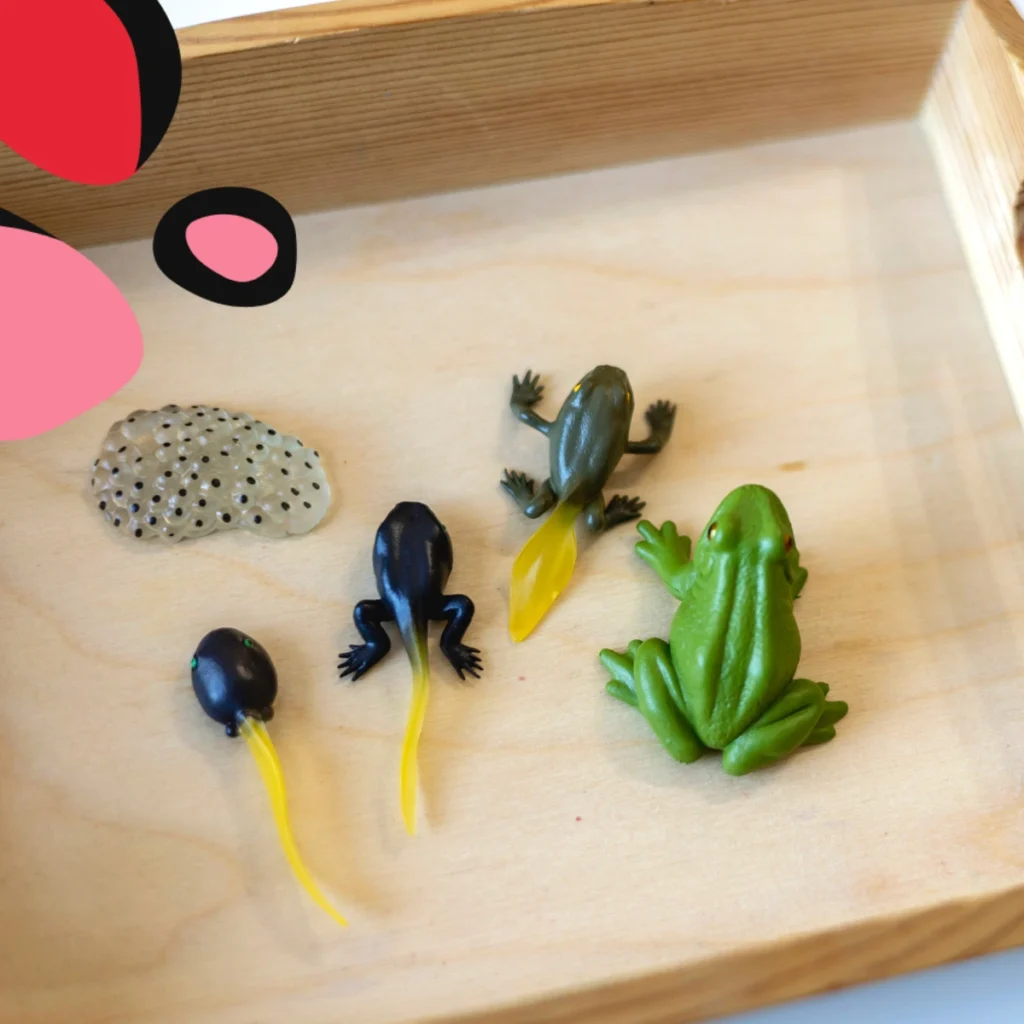
Life Cycle Puzzles
These puzzles depict the life cycles of plants or animals, such as the stages of a butterfly or the growth of a tree. They provide a hands-on way for children to learn about biology and natural processes while improving their sequencing abilities.
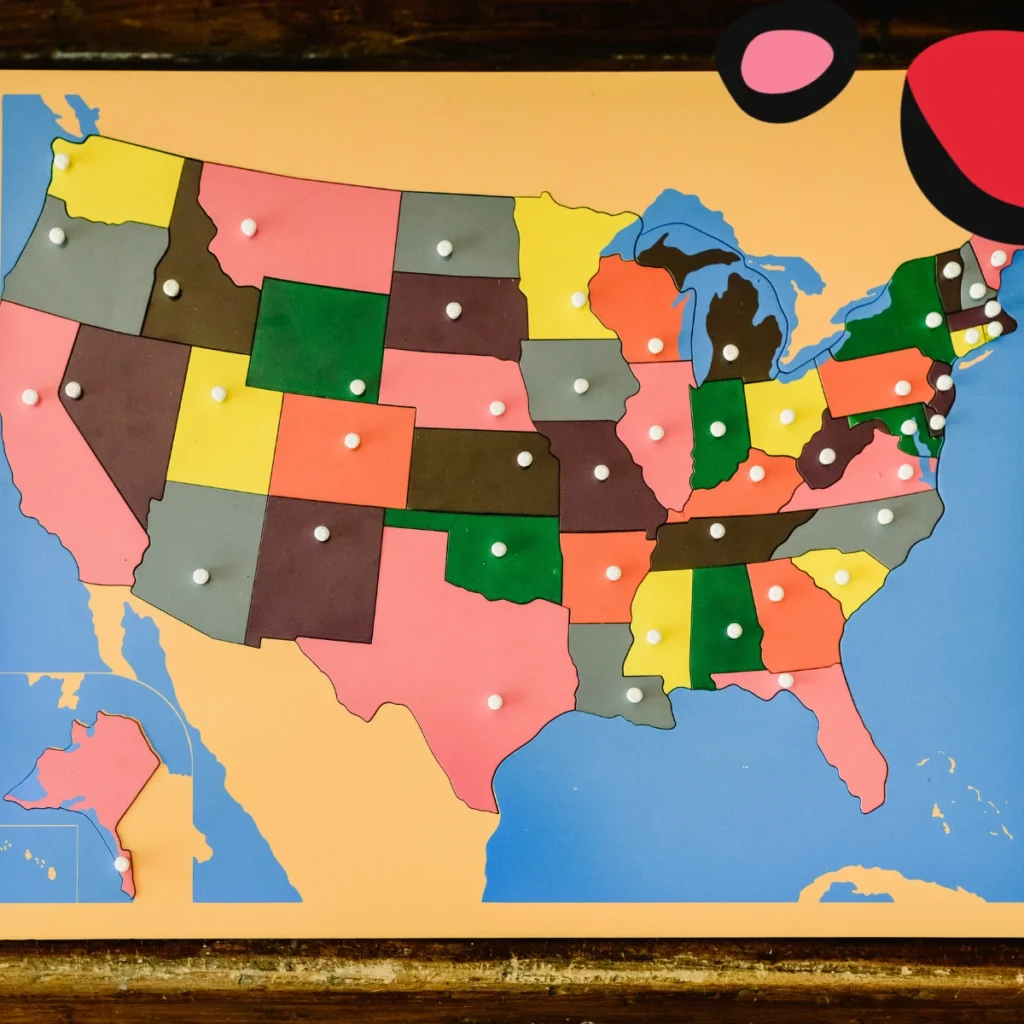
Geography Puzzles
Geography puzzles include maps of countries, continents, or landmarks that children assemble. By piecing together these puzzles, children develop their understanding of geography, spatial relationships, and cultural awareness.
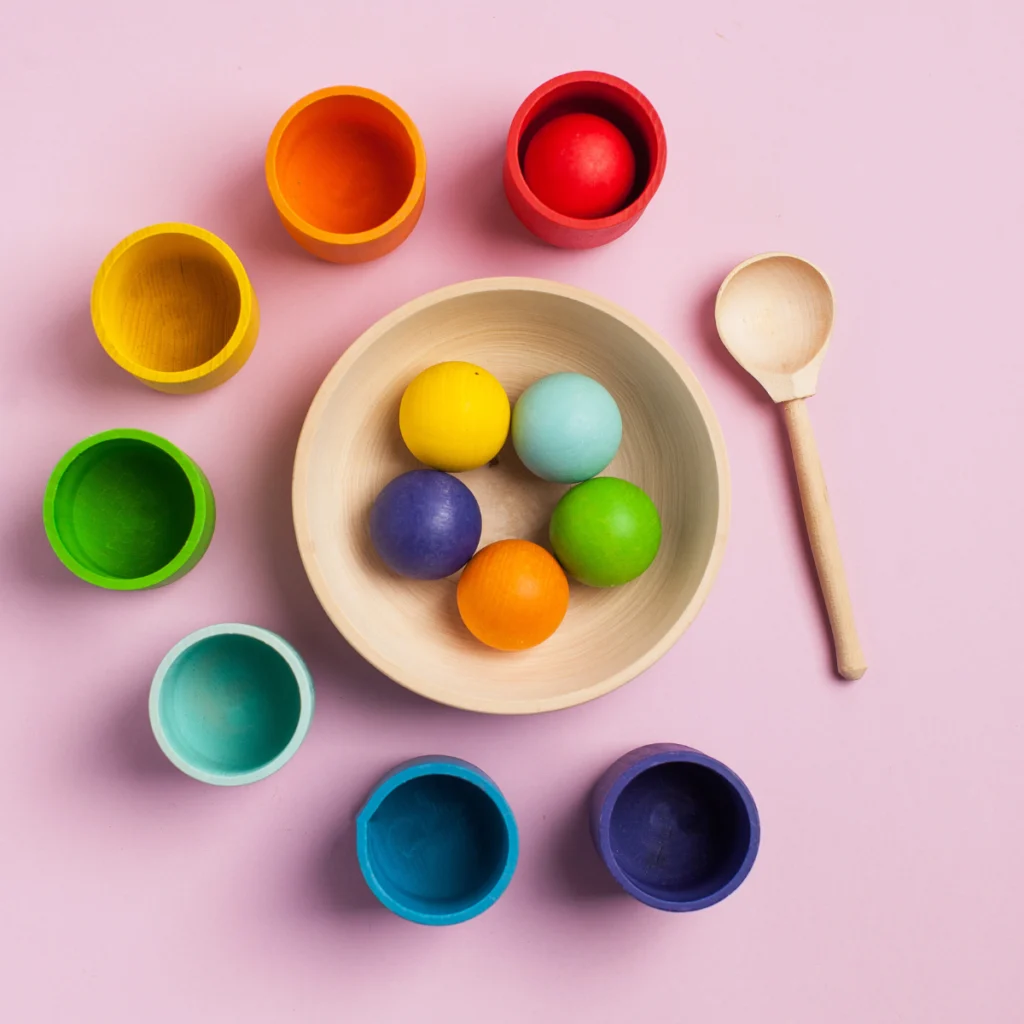
Sensorial Puzzles
Sensorial puzzles stimulate the senses by matching textures, colours, or sizes. They help children refine their sensory perception and discrimination skills while engaging their curiosity and creativity.
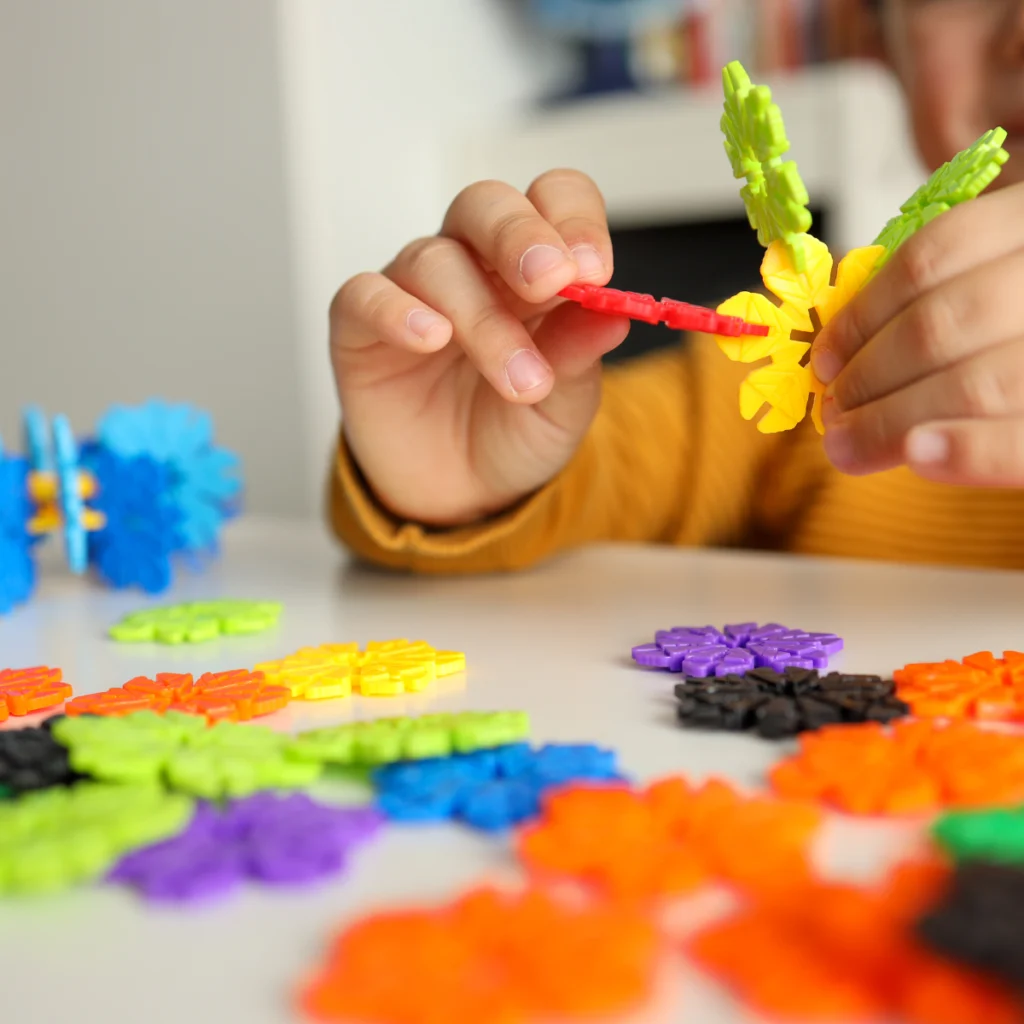
Logical Thinking Puzzles
These puzzles challenge children to use logic and reasoning to solve problems, such as arranging shapes or patterns in specific sequences. Logical thinking puzzles enhance critical thinking skills and foster a deeper understanding of cause and effect.
Three-Dimensional Puzzles
Unlike traditional flat puzzles, three-dimensional puzzles require children to assemble pieces in multiple dimensions to create a final structure or object. These puzzles promote spatial reasoning, fine motor skills, and perseverance.

So, there you have it, fellow mums! Montessori puzzles are not just fun and games; they’re powerful educational tools that foster learning and development in children. Incorporating these puzzles into your little one’s playtime gives them the gift of hands-on learning, problem-solving skills, and confidence. So, what are you waiting for? Let the puzzle play begin!